As the owner of a family-run steel warehouse supplier that’s been operating for over three decades, I’ve seen firsthand how small business owners, construction managers, and logistics operators often overlook the power of a purpose-built steel warehouse. Too many still default to generic storage solutions or outdated structures, not realizing that a properly designed steel warehouse isn’t just a place to stack inventory—it’s an investment that drives efficiency, safety, and long-term savings. In this post, I’ll break down the real, science-backed benefits that make steel warehouses the top choice for businesses across industries, from manufacturing and retail to agriculture and e-commerce. Steel Warehouse
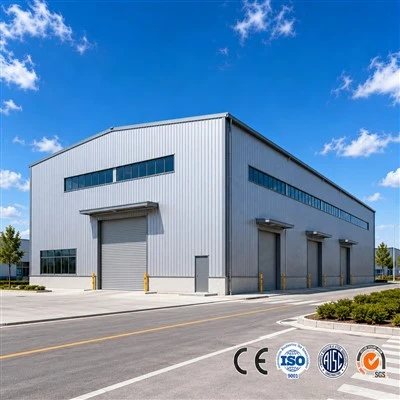
First, let’s talk about durability—this is the foundation of why steel warehouses outperform almost every alternative. Unlike wood, which rots, warps, or becomes infested with pests like termites, steel is inherently resistant to these common storage structure issues. Our team works with steel that’s galvanized during manufacturing, a process that coats the metal with a zinc layer to prevent corrosion from moisture, humidity, and even harsh outdoor elements. This isn’t just anecdotal: the American Iron and Steel Institute (AISI) reports that properly maintained steel structures have a 50+ year lifespan, with minimal upkeep compared to wood warehouses which require regular treatments, repairs, and replacements every 20 to 30 years. For a business, that means less money spent on ongoing maintenance and fewer disruptions to operations. I remember a client last year, a mid-sized food distributor, who switched from a wood warehouse to our steel facility after two years of dealing with termite damage that destroyed 15% of their bulk grain storage. Within the first year in their new steel space, their maintenance costs dropped by 60%—that’s money they could pour into expanding their delivery fleet instead of patching rot.
Another critical benefit is strength and load capacity. Steel has a higher strength-to-weight ratio than wood or concrete, which means you can build larger, taller structures without worrying about structural failure. For warehouses that handle heavy inventory—like automotive parts, construction materials, or bulk industrial equipment—this is a game-changer. Unlike concrete, which can crack under uneven weight distribution, steel frames distribute load evenly across the structure, allowing for unobstructed interior space. That means you can install more storage racks, stack inventory higher, and even adjust your layout as your business grows without major renovations. We recently worked with a construction supply company that expanded their steel warehouse’s interior space by adding mezzanine levels—something they couldn’t do in their old concrete warehouse because the floor couldn’t support the extra weight. The mezzanine doubled their storage capacity without them having to buy a new space, saving them over $200,000 in real estate costs in one year. Also, steel is fire-resistant. While wood can catch fire quickly and spread flames in minutes, steel doesn’t fuel combustion. This reduces the risk of total loss in a fire, which is a major concern for businesses storing valuable inventory. Most insurance companies even offer lower premiums for steel warehouses, because the fire risk is significantly lower—another long-term cost saver.
Flexibility is another huge advantage that many businesses don’t consider. Steel warehouses are prefabricated, which means they can be customized to fit almost any size or layout you need, and they’re easy to modify as your business changes. Need to add a new bay to accommodate a growing product line? No problem—steel frames can be extended without tearing down the existing structure. Want to reconfigure interior walls for a new office or production space? Steel panels are lightweight and easy to move, unlike concrete blocks or wood studs that require major construction work. For e-commerce businesses that experience seasonal spikes in inventory, this flexibility is invaluable. A client of ours, a holiday decor retailer, uses their steel warehouse for 10 months of the year for general storage, then adds temporary partitions and extra storage bays during the holiday rush—something they couldn’t do in a rigid concrete or wood structure. They’ve told us this flexibility allowed them to keep up with Black Friday and Cyber Monday demand without ever running out of space, which boosted their annual revenue by 30% over three years. Additionally, steel is a sustainable material, which aligns with the growing demand for eco-friendly business practices. Unlike wood, which requires cutting down trees, steel is 100% recyclable—about 95% of all steel products in the U.S. are recycled at the end of their lifespan. That means when you’re ready to update your warehouse, you don’t have to send the entire structure to a landfill; the steel can be melted down and reused for other projects. The Steel Recycling Institute says that using recycled steel saves 75% of the energy required to produce new steel, which reduces your carbon footprint. Many of our clients use this as a selling point to their own customers—highlighting that their storage operations are environmentally responsible, which appeals to modern consumers.
Operational efficiency is another key benefit that directly impacts your bottom line. Steel warehouses can be designed with features that streamline daily operations, like high ceilings to accommodate large loading equipment (forklifts, pallet jacks, even cranes), wide door openings for easy vehicle access, and smooth concrete floors that can support heavy machinery without damage. Unlike wood floors, which can develop uneven spots or splinters over time, steel’s structural integrity means your floor stays level and safe, reducing the risk of accidents that could shut down operations. We also work with clients to design steel warehouses that integrate seamlessly with automation—like conveyor systems, robotic pickers, and inventory management software. The open interior space of a steel warehouse makes it easy to install and reposition these automated systems as your needs change, which improves order fulfillment speed. A 2023 study by the National Retail Federation found that businesses with automated storage systems in steel warehouses reduce order processing time by 40% compared to those in non-steel structures, because the layout is more adaptable to automation technology. That faster turnaround means happier customers, less shipping time, and higher profit margins.
Safety is non-negotiable for any warehouse, and steel structures check major boxes here. As I mentioned earlier, steel is fire-resistant, but it’s also resistant to extreme weather events. In areas prone to hurricanes, tornadoes, or heavy snow, steel warehouses hold up far better than wood or even concrete. Wood can be torn apart by strong winds, and concrete can crack or collapse under heavy snow loads, but steel frames are engineered to withstand high wind speeds and snow accumulations. The Federal Emergency Management Agency (FEMA) notes that steel structures have a 90% survival rate during severe storms, compared to 60% for wood structures. That means you’re less likely to suffer damage to your inventory or your building during a natural disaster, which saves you from costly repairs and downtime. I recall a client in Texas who had their wood warehouse severely damaged during Hurricane Harvey in 2017; they lost 20% of their inventory and were out of operation for three months. When they rebuilt, they chose a steel warehouse from us, and during Hurricane Ian in 2022, their structure was unscathed—they were able to resume normal operations within days, while nearby businesses with wood and concrete structures waited weeks or months to recover. Additionally, steel doesn’t shed debris or create sharp edges like wood can, which reduces the risk of injuries for employees. No splinters, no falling wood planks, and a more stable environment for daily work.
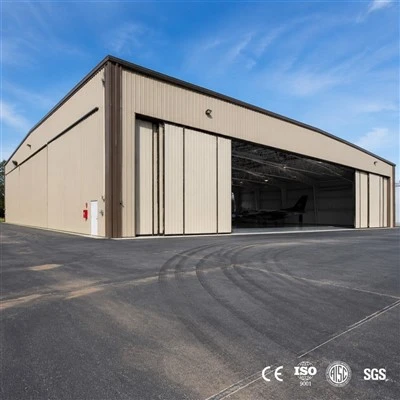
Now, I want to be transparent—steel warehouses do have a higher upfront cost than basic wood structures. But when you factor in the long-term savings on maintenance, insurance, repairs, and downtime, the total cost of ownership over 50 years is actually lower than wood or concrete. Our customers often tell us that they made back the extra initial investment within 5 to 7 years, and then start seeing pure savings after that. It’s not a quick fix, but it’s a smart investment for businesses that plan to stay operational for the long haul.
Steel Livestock Buildings At the end of the day, a steel warehouse is more than just storage—it’s a tool that helps your business grow, stay safe, and operate efficiently. Whether you’re a small startup needing a flexible space to scale, or a large corporation looking to upgrade your existing storage, our team has the experience to design and build a steel warehouse that fits your exact needs. If you’re tired of dealing with maintenance headaches, structural failures, or limited space that’s holding your business back, we’re here to help. Reach out to us to schedule a consultation, and we can walk you through customized solutions that fit your budget and goals.
References
- American Iron and Steel Institute. (2022). Long-Term Performance of Steel Structures. Washington, D.C.: AISI.
- FEMA. (2021). Resilient Building Materials for Extreme Weather. Washington, D.C.: Federal Emergency Management Agency.
- National Retail Federation. (2023). Automation in Warehouse Operations. New York, N.Y.: NRF.
- Steel Recycling Institute. (2022). Sustainability of Steel Products. Pittsburgh, Pa.: SRI.
Liaoning Zhongbei Steel Structure Engineering Co., Ltd.
Liaoning Zhongbei Steel Structure Engineering Co., Ltd. is one of the most professional steel warehouse manufacturers and suppliers in China, also supports customized service. We warmly welcome you to buy advanced steel warehouse made in China here from our factory. Also, quotation is available.
Address: No.239-1, Shenbei West Road, Yuhong District, Shenyang, Liaoning
E-mail: Info@cnssgroup.cn
WebSite: https://www.cnssprefabbuildings.com/
