If you’re a parent or someone who’s ever shopped for a kid’s electric ride-on toy, you’ve probably wondered if those flashy, light-up models have a speed limiter. I get it—when I started my small business selling these toys a few years back, that was the first question I got from most customers. Back then, I didn’t have all the details straight, but over time, I’ve dug into the mechanics, chatted with manufacturers, and even fielded hundreds of messages from folks just like you. Today, I’m breaking down exactly what’s up with speed limiters on electric light-up ride-on toys, how they work, and why they matter so much for both safety and fun. Electric Light Up Ride On Toy

First off, let’s keep this simple. Speed limiters are basically guards that cap how fast a toy can go, right? But not all light-up ride-ons are the same—there’s a whole range of models, from tiny 6-volt cars for toddlers to 24-volt monster trucks for bigger kids. So the short answer is: yes, most of these toys do have some kind of speed control, but not all of them use what you’d call a “traditional speed limiter.” Let’s dive into why that is.
When I first started out, I’d see customers ask if their 3-year-old’s little pink light-up jeep was safe going around the backyard. I’d tell them, “Yeah, almost all the ones we carry have a built-in speed limiter that keeps it under 3 mph—way slower than a walking pace.” That’s the sweet spot for little kids. Toddlers don’t have great balance, and a fast-moving toy could lead to falls or bumps. Those limiters aren’t just random numbers, either—they’re set based on what’s age-appropriate. A lot of manufacturers test these limiters to make sure they stay consistent, not too slow that the kid gets bored, not too fast that a parent can’t keep up.
But here’s the thing: some cheaper, no-name light-up ride-on toys skip the actual limiter and just use the battery’s voltage to slow things down. Like, a 6-volt battery won’t push the motor as hard as a 12-volt one, so the speed just naturally caps. But that’s not a real adjustable limiter, right? Those basic models are usually for super young kids, under 3, and they work fine for that age group. The problem comes when someone tries to modify them—like swapping out a 6-volt battery for a 12-volt to make it faster. That takes the limiter right off, and suddenly a toy that was safe could zoom up to 5 mph or more. I always warn customers not to do that, because it’s not just unsafe—it can break the toy too.
Now, the mid-range and higher-end light-up ride-ons, the ones for kids 4 to 8 or so, they do have actual speed limiters. Most use a tiny electronic sensor or a plastic gear cut to a specific size that stops the motor from spinning too fast. For example, many 12-volt models have a limiter that sets the max speed at 5 mph, which is perfect for kids that age—old enough to handle a bit more speed, but still young enough that a parent can step in if something goes wrong. I’ve had customers tell me their kid outgrows that speed and wants more, but here’s the thing: those limiters aren’t there to spoil the fun. They’re there to keep the kid from panicking if they hit a small rock or turn too sharply.
Wait, what about the fancy light-up ride-ons for older kids, like 10 and up? Some of those, like the light-up ATVs or jeeps, can go up to 10 mph, and a lot of them have an adjustable speed limiter. That means you can switch between “low” mode (slow, for younger kids who might borrow it) and “high” mode (faster, for when the kid’s a bit more experienced). I sell a few of those, and every time I explain the adjustable limiter, customers light up—no pun intended—because it means the toy can grow with their kid. You don’t have to buy a new one every year; just tweak the speed setting.
But let’s talk about why some people think these limiters don’t exist, or that they’re easy to bypass. I’ve seen tons of YouTube videos and forums where people say they “removed” the speed limiter from their kid’s ride-on. What they’re usually doing is modifying that gear I mentioned earlier, or rewiring the motor to skip the limiter sensor. Yeah, that can make the toy faster, but it’s a big no-no in my book. For one, it voids the warranty—most manufacturers specifically say modifying the speed control is against their terms. But more importantly, it’s a safety risk. If a toy that was built to cap speed is going too fast, the brakes might not work as well, and the whole frame isn’t designed to handle that extra speed. I once had a customer bring in a modified light-up truck that’d crashed into their fence; the plastic front was cracked, and the kid was banged up because it was going 8 mph instead of the 5 it was supposed to. That’s a mistake I see way too often.
Another point: light-up ride-ons have other safety features that tie into the speed limiter, right? Like, the lights—those flash when the toy moves, right? The limiter makes sure the lights stay synced to the speed, too. If you bypass the limiter, the lights might flicker weird, or stop working entirely, which takes away a big part of the fun for kids. I’ve heard kids complain when their modified light-up toy has dim or inconsistent lights, and that’s the last thing you want when you buy a toy for its flashy, exciting features.
So, do all electric light-up ride-on toys have speed limiters? Let’s be real: no, not every single one. The absolute cheapest, no-name models you might find at a grocery store clearance bin usually don’t have a dedicated limiter—they rely on low voltage to keep speed down. But any reputable brand’s light-up ride-on, the kind you’d find at a toy store or from a legitimate supplier like me, will have a speed limiter. Why? Because parents demand it. Safety is the biggest factor when someone’s buying a ride-on toy for their kid, and if a brand doesn’t include a speed limiter, they’re not going to sell many. I’ve had to turn down a few cheap bulk orders from brands that tried to sell ride-ons without limiters, because I know from experience that those don’t last, and they don’t make parents happy.
Let me share a quick story to put this in perspective. Last year, a mom came to my booth at a local kids’ expo, panicking. Her 4-year-old had gotten a hold of her cousin’s light-up ride-on, which didn’t have a limiter, and had crashed into a table, scraping his knee. She’d been looking for a toy that was safe, and that’s when she found mine. I showed her the 12-volt light-up jeep we sell, which has a limiter set to 5 mph, and explained how it works. She bought it that day, and a week later, she sent me a message saying her son loves it, and she feels comfortable letting him ride it in the backyard because she knows it won’t zoom too fast. That’s the stuff that makes this job worth it.
Now, if you’re in the market for an electric light-up ride-on toy, what should you look for to make sure it has a proper speed limiter? First, check the product description. Legitimate brands will mention speed control, adjustable settings, and age recommendations. If a listing doesn’t say anything about a limiter, that’s a red flag. Second, read reviews. Other parents will usually mention if the toy goes too fast, or if their kid was able to modify it easily. Third, don’t skimp on price. A $50 light-up car is probably not going to have a quality limiter, but a $150 to $200 one will have the safety features you need.
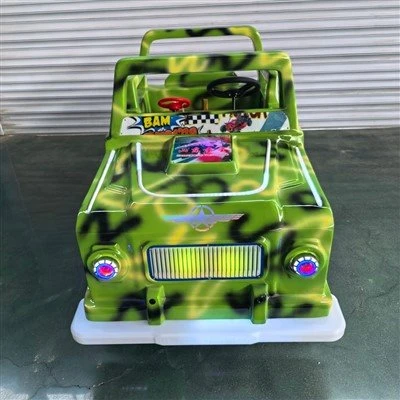
Here’s where I can help. If you’re a parent looking for a safe, fun light-up ride-on toy for your kid, or if you’re a retailer looking to stock quality models, I’ve got a wide range of options—from tiny 6-volt cars for toddlers to adjustable 24-volt ATVs for older kids. All of our toys have tested speed limiters that meet safety standards, and we stand behind every product we sell. I’m here to answer any questions you have, whether it’s about speed settings, light features, or durability. Just reach out to me to start a conversation about what you need. Don’t hesitate to ask, even if you’re not sure what kind of toy is right for your kid— I’ve been doing this long enough to help.
References
Amusement Ride Vehicle Consumer Product Safety Commission. (2022). Safety Standards for Electric Ride-On Toys.
Toy Association. (2023). Parent Guide to Ride-On Toy Safety.
International Journal of Child and Adolescent Health. (2021). Age-Appropriate Speed Limits for Children’s Electric Ride-Ons.
Shandong Feiteng Intelligent Technology Co., Ltd.
As one of the most professional electric light up ride on toy manufacturers and suppliers in China, we’re featured by quality products and good price. Please rest assured to buy discount electric light up ride on toy in stock here from our factory. If you have any enquiry about cooperation, please feel free to email us.
Address: Development Zone, Yangdian Town, Wenshang County, Jining City, Shandong Province, China
E-mail: 15264728190@163.com
WebSite: https://www.tongxingplay.com/
