If you own a piston air compressor, you probably already know how handy these work for everything from inflating tires to running nail guns, sanders, and even paint sprayers. But there’s one task that’s easy to sleep on until it causes a headache: draining the water from your compressor’s tank. Trust me, I’ve seen way too many customers ignore this step, only to end up with rusted tanks, moisture ruining their tools, or even a compressor that spits out wet air mid-job. As a piston air compressor supplier, I can’t stress enough how simple and critical this routine step is—so let’s break it down like we’re chatting over a coffee, no confusing jargon. Piston Air Compressor
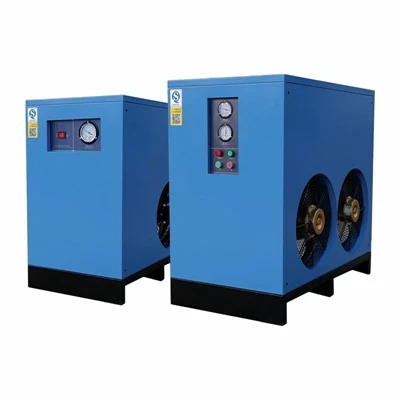
First, why does water build up in the tank anyway? Piston compressors work by compressing air, right? The air we breathe has tiny moisture molecules in it—from humidity in the air, maybe a damp garage, or even a wet job site. When you compress that air, the temperature spikes, and all that moisture condenses into liquid. As the compressed air cools down in the tank, that liquid water sinks to the bottom (it’s heavier than air, duh) and pools there. If you leave it, two big problems happen. First, that pooled water mixes with any oil your compressor uses for lubrication, gunking up the moving parts in the pump, which cuts down your compressor’s lifespan. Second, sitting water inside the steel tank causes rust. A rusty tank isn’t just a nuisance—it’s a safety risk, because rust weakens the metal over time, and a compromised tank can burst under pressure. Yeah, that’s not something you want on your workbench.
Now, let’s get to the good stuff: how to actually drain the tank. I’ve tested a bunch of methods with my customers, and the key is to do it safely, regularly, and correctly. No cutting corners here. Let’s walk through step by step, even the small details most people miss.
First, safety first. You never want to mess with a pressurized tank. Before you do anything, turn off your compressor, unplug it (don’t just hit the power button—unplug it, okay, some people forget that), then release all the pressure in the tank. How? Pull the pressure relief valve, that little knob or lever on the top of the tank. You’ll hear a hissing sound until all the air is gone. Wait a sec—wait until the tank is fully depressurized, no more hissing. If you skip this, opening the drain valve can spray pressurized water and air everywhere, which is messy or even dangerous. That’s a basic mistake I see all the time, so don’t be that person.
Next, find your drain valve. Most piston compressors have a tiny, usually brass valve at the very bottom of the tank—sometimes it’s a manual petcock, like a little tap you twist open, or a ball valve, which is a lever you turn. Some cheaper models might have a flimsy plastic valve, but even those work fine if you use ’em right. Pro tip: if your valve is plastic, don’t force it open too hard, it’ll snap—easy does it.
Now, grab a small bucket or a rag. Some water will come out, maybe some oil if you’ve neglected draining, so don’t do this over your nice work boots. Position the bucket right under the drain, or drape a rag around the base to catch drips. Then, twist the manual valve open, or turn the ball valve lever so it’s parallel to the tank (that’s the open position). Wait for the water to flow out. A lot of people just open it, walk away, and come back later—don’t do that. You need to watch it until all the water is gone, and only air comes out. Sometimes the flow is slow, especially if there’s gunk built up in the valve. If it’s moving super slow, you can gently tap the side of the tank with a wrench (not too hard, you don’t want to dent it) to loosen any trapped water. That’s a trick from the shop that works way better than yanking on the valve.
Once only air is coming out, close the valve tight. Then, do a quick check: make sure it’s fully closed, no drips coming from the bottom. If it’s leaking a little, tighten it just a touch—don’t crank it, that’ll break the seal. After that, you can turn the compressor back on, plug it in, and get back to work. That’s the basic routine for most small piston compressors, the ones you’d use around a home shop or for DIY jobs.
Wait, but what if you have a bigger piston compressor, like the ones used on job sites? They might have an automatic drain valve instead of a manual one. A lot of folks ask me about those, so let’s cover that too. Automatic drains are great for heavy use, because they open on a timer or when the tank pressure drops, so you don’t have to do it manually every day. But they’re not set it and forget it—you still need to check them. Sometimes they get clogged with rust or oil, so they won’t open when they should, and water builds up anyway. Every month or so, test the automatic drain: just manually trigger it (most have a small lever you can push) to make sure it’s working. If nothing comes out, take it apart, clean out the gunk, or replace it—better than a rusted tank.
Now, how often should you drain it? That’s not a one-size-fits-all answer. If you use your compressor every single day, like a contractor would, drain it after every use. If you use it once a month for a DIY project, drain it after every use too, but maybe you can get away with it every other use? Wait no, even if you only use it once, that day’s moisture is still in the tank. Humidity levels matter too—if you’re in a super humid place (like Florida, or a damp garage), you’ll want to drain it more often, maybe twice a day if you’re using it a lot. Dry climates, like Arizona, can go a little longer, but still—don’t skip it. I once had a customer in Phoenix who drained his compressor only once a month, and he still had a tiny bit of rust in the tank. Even dry air has moisture, just less of it.
Mistakes to avoid, I’ve seen these so many times I can write them in my sleep. First, draining the tank while it’s hot. Wait 10-15 minutes after you turn off the compressor, let the tank cool down. Hot water expands, so if it’s warm, more moisture is still in vapor form, and you’ll leave some behind when you drain. Cold water is liquid, so you get all of it out. Second, using a garden hose to drain it? No, don’t hook anything up to the drain valve. The pressure from the hose can damage the valve or the tank, and you lose control of the flow. Third, not checking the valve for leaks after you’re done. A small leak from the drain can let air escape, making your compressor work harder to build pressure, which wastes energy and wears out the pump faster.
Wait, what about if you store your compressor for a long time? Like, if you put it away for winter, or a big project. Drain the tank completely, leave the valve open a little (so any leftover moisture can evaporate), and maybe wipe the inside with a light coat of compressor oil if you want to prevent rust. That’s a good tip for long-term storage, not just regular draining.
As a piston air compressor supplier, I also have to mention that your compressor’s warranty often depends on routine maintenance, and draining the tank is number one on that list. A lot of people think if their compressor is under warranty, they don’t have to do this stuff, but skip draining, and if the tank rusts out, the warranty won’t cover it. I’ve had customers come back upset because their compressor broke, only to find they never drained the tank—super avoidable.
Let me wrap this up, because I don’t want to ramble too long (I could talk compressors all day, right?). The whole point is: draining your piston compressor’s tank is 5 minutes of work once a day, max, and it saves you hundreds of dollars in repairs or a new compressor down the line. It’s not a complicated chore, it’s just a habit.
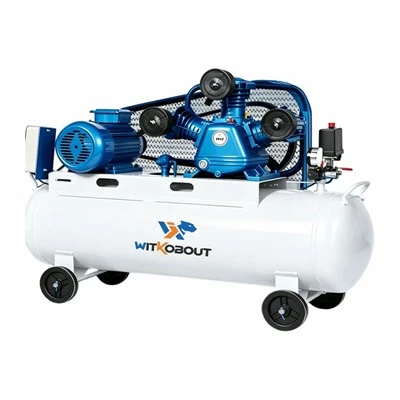
If you’re shopping for a piston air compressor, or have questions about your current one—like which drain valve is best for your use, or how to maintain it properly—hit us up to connect about your needs. We’re here to help, not just sell compressors.
Air Compressor References:
- Compressed Air Best Practices. (n.d.). Moisture in Compressed Air Systems. Retrieved from industry resources on compressed air maintenance.
- Air Compressor Magazine. (2022). Routine Maintenance Tips for Piston Compressors. Retrieved from equipment maintenance guidelines for industrial and portable air tools.
- OSHA. (2021). Safety Guidelines for Compressed Gas Tanks. Retrieved from workplace safety standards for pressurized equipment.
- Gardner Denver. (2020). Piston Compressor Tank Care: Preventing Rust and Moisture Damage. Retrieved from OEM maintenance manuals for air compression systems.
- Portable Air Compressor Association. (2019). User’s Guide to Daily Compressor Maintenance. Retrieved from consumer and small business maintenance resources for portable piston compressors.
Hangzhou Witkobout Technology Co., Ltd.
Hangzhou Witkobout Technology Co., Ltd. is one of the most professional piston air compressor manufacturers and suppliers in China, featured by quality products and good service. Please rest assured to wholesale CE approved piston air compressor in stock here and get quotation from our factory. We also accept customized orders.
Address: Room 1211, Huaxia Center, Cangqian Street, Yuhang District, Hangzhou City, Zhejiang Province
E-mail: hzzhikongbao@163.com
WebSite: https://www.witkobout.com/
