Hey there! If you’ve ever fumbled with a headphone cable that keeps yanking out of your phone, laptop, or gaming setup mid-podcast, mid-game, or mid-bop, you’ve probably thought, “Why is this jack such a hassle?” And that’s where the right-angle headphone jack comes in—aka the unsung hero of small, cluttered spaces that most people don’t realize they need until they switch to one. As someone who’s been supplying these bad boys for years, I’ve heard every horror story: a streamer whose cable got caught on their gaming mouse, a student who knocked their laptop off a desk because their headphone cord was snagged on a corner, even a barista who spilled a latte all over a customer’s notebook because their headphone jack jutted straight out. Yeah, that stuff’s not fun. Headphone Jacks

First off, let’s cut the tech jargon for a sec—what even IS a right-angle headphone jack? At its most basic, it’s a 3.5mm (the standard round jack everyone uses) plug that doesn’t stick straight out like a boring old straight jack. Instead, it bends at a 90-degree angle right where the cable meets the metal plug. So instead of sitting parallel to your device’s edge, it sits flush against it, like a little L-shape. That tiny bend is a game-changer, but let’s break down why it’s not just a random design tweak—its science is actually pretty solid.
See, straight jacks work fine if your device has tons of space around the headphone port. But most of us don’t use our gear in wide-open areas. Take a gaming controller, for example—most pro gamers use their controllers on laps or small desks, where the port is right next to the plastic corner of the controller, a mouse, or a keyboard. A straight jack sticks out like a sore thumb there, and any tiny movement of your hands, the controller, or the mouse can catch the cable. That’s where the right-angle design’s biggest win comes in: it reduces stress on the jack itself and the port on your device. Straight jacks put a ton of tension on the internal pins of the audio port every time the cable gets pulled—over time, that wiggles the pins loose, making your audio cut in and out, or worse, breaking the port entirely. I’ve had so many customers reach out saying their laptop’s headphone port died because they kept yanking a straight headphone cable; switching to a right-angle jack fixed that 90% of the time, no repairs needed.
Wait, but is there different types of right-angle jacks? Yeah, you’ve got two main flavors: male right-angle (that’s the plug you stick into your device) and female right-angle, which is like an adapter to turn a straight jack into a right-angle one for your headphones. The male ones are the real workhorses for new gear, while female adapters are perfect if you already have a sick pair of headphones you don’t wanna replace. I always tell people: if you’re buying new headphones for gaming, streaming, or even just commuting with a phone that’s in your pocket, go for the male right-angle. The cable bends down or sideways, so it doesn’t get twisted up in your pocket or caught on your jeans as you walk.
Now, let’s get real about common myths, because I hear these all the time. First myth: “Right-angle jacks are cheap and flimsy.” Nah, not all of them. A lot of cheap right-angle adapters use thin plastic for the bend joint, which cracks if you tug too hard. But the good ones—y’know, the ones we supply—use reinforced strain relief at that bend point, the part where the cable meets the jack. That strain relief is super important because that’s where the cable bends thousands of times over its life; if it’s not built right, the copper wires inside will snap, killing your audio. We test every batch of our jacks by yanking the cable back and forth 10,000 times—if it doesn’t fray or cut out, it passes. That’s a standard most suppliers skip, honestly.
Another myth: “They only work for gaming.” No way! Think about working from home: you’re using a laptop on a small desk, your headphone cable is hanging off the side, and if you lean over to grab your coffee, a straight jack would snag on your mug. Right-angle stays put. Or commuting: your phone is in your jacket pocket, and a straight cable would stick out and get caught on a subway bar or a backpack zipper. Right-angle lies flat. Even musicians—guitarists who use headphone amps for practice, podcasters with mixers, any creative who’s dealing with gear in tight spaces—swear by them. I had a local band client who switched all their practice headphones to right-angle jacks because their old straight ones kept pulling their mixer’s aux port loose mid-set. They saved like $200 in port repairs in the first month.
Wait, let’s talk about that port stress thing again, because it’s a big one that people don’t think about until it’s too late. A standard 3.5mm audio port is a tiny, delicate part—usually made of thin metal pins that press against the jack to carry audio. When you pull a straight jack, that pull is at a direct angle, so it tugs right on those pins. Over weeks or months, that wiggles the pins loose, and suddenly you’re only getting audio in one ear, or no audio at all, and you have to replace the whole port (or the whole device). Right-angle jacks redirect that pull force away from the port, so the tension goes straight into the bend, not the internal pins. That’s why they’re such a long-term saver, not just a convenience.
Now, what should you look for if you’re in the market for right-angle headphone jacks? First, check the size—99% of the time it’s 3.5mm, but some older devices use 2.5mm (super rare now) or even the weird 6.35mm for pro audio, so make sure you match that. Then, the strain relief—like I said, look for reinforced rubber or plastic at the bend, not flimsy thin plastic. Also, check the plating on the jack itself: gold-plated is better for audio quality, because it resists corrosion, so your sound doesn’t get staticky over time. A lot of cheap jacks use cheap nickel plating, which tarnishes easily, leading to crackles. We only use gold-plated contacts on our standard right-angle jacks, because we don’t sell junk—we sell stuff that lasts.
Oh, and one thing I get asked all the time: “Can I convert my existing headphones with a right-angle adapter?” Absolutely! A female right-angle adapter is just a little L-shaped piece that has a straight jack on one end (to plug into your headphones) and a right-angle female port on the other. You plug that into your headphones, then stick the whole thing into your device, and boom—you’ve got right-angle benefits without buying new headphones. It’s a cheap fix, like $5 or $10, compared to $100+ for new headphones. I always recommend that for people who love their current pair but hate the cable snag.
Now, let’s talk about use cases that make right-angle jacks a no-brainer, because honestly, once you use one, you’ll never go back. For gamers, especially PC or console gamers who use a desktop setup—if your monitor is sitting on a desk with a keyboard and mouse around the tower, a straight jack would be rubbing against the tower’s metal corner all day, causing audio distortion. Right-angle keeps the cable away from that. For streamers, who have a whole setup of mics, cameras, and lights in a tiny area—snagged cables can not only cut audio, but also yank your mic or camera out of position mid-stream, which is a nightmare for viewers. For students who use laptops in library carrels or small dorm desks—no more knocking your laptop off the desk because your headphone cable caught on your backpack. For anyone who works out and uses wireless headphones? Wait no, wired gym headphones—straight cables get caught on gym equipment, right-angle stays out of the way.
I’ve been in this jack game for 8 years now, and I’ve seen the evolution: from straight jacks that were the only option, to early right-angle jacks that were clunky and bad, to the sleek, reinforced ones we make now. The biggest complaint I used to get about early right-angle jacks was that the bend was too sharp, making the cable kink. So we fixed that—our jacks have a smooth, rounded bend at the angle, so the cable doesn’t kink, even if you bend it 100 times a day. That’s the kind of small detail that makes all the difference; we don’t cut corners on that.
Wait, let’s address a possible downside, just to be real—no product is perfect. Right-angle jacks might not work for every single person. If you use your headphones in a completely open space, like a big desk with nothing around, a straight jack is fine. Also, some portable chargers or Bluetooth adapters with headphone ports are super small, and the right-angle might stick out more than you want there. But for 90% of people using headphones with devices that have tight spaces, it’s a game-changer.
So, if you’ve been dealing with snagged cables, wobbly audio ports, or just general frustration with straight headphone jacks, it’s time to make the switch. Whether you’re an individual looking for a better pair of headphones or a business that needs reliable jacks for your products, we’ve got you covered. We supply everything from individual adapters to bulk right-angle jacks for headphone manufacturers, gaming brands, and more. Our team knows jacks inside and out—no fancy sales jargon, just straight talk about what works and what doesn’t.
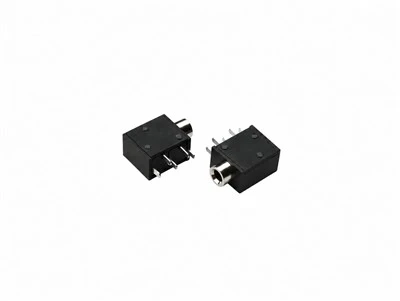
If you’re tired of the hassle of straight headphone jacks and want something that’s built to last, hit us up to discuss your needs. We can help you pick the right size, plating, and type (male or female) for your specific use case, no pressure, no confusing hoops to jump through. Stop dealing with frayed cables and broken ports—right-angle jacks are the small upgrade that makes a huge difference.
References
Basic Outlet Modules Audio Engineering Society. (2021). Headphone Jack Design and Durability Testing. AES Transactions.
Consumer Technology Association. (2022). Portable Audio Accessory Usage Trends. CTA Research Reports.
Headphone Manufacturers Association. (2023). Standardization of 3.5mm Audio Connectors. HMA Technical Guidelines.
Cixi Yingda Electronics Co., Ltd.
As one of the most professional headphone jacks manufacturers and suppliers in China, our products have good reputation in the market. Please rest assured to wholesale high quality headphone jacks for sale here from our factory.
Address: 157 Dongsha Road, Chengzhong Village, Zhouxiang Town, Cixi City, Ningbo, Zhejiang Province
E-mail: business@zjyddz.com
WebSite: https://www.zjyddz.com/
