Alright, let’s cut to the chase—if you’ve ever sunk hours into a craft project only to have a tiny magnet slip, scratch your work, or not stay put when you needed it, you know how frustrating that is. As a round countersunk magnets supplier, I’ve talked to hundreds of makers—from jewelry designers to DIY sign artists to upcycled furniture weirdos (the best kind)—and most of them waste time and money on magnets that just don’t work for their projects. So today, I’m breaking down the actual best round countersunk magnets for crafts, no fluff, no jargon, just real stuff I swear by (and sell, obviously, but only because they solve problems you’re actually dealing with). Round Countersunk Magnets
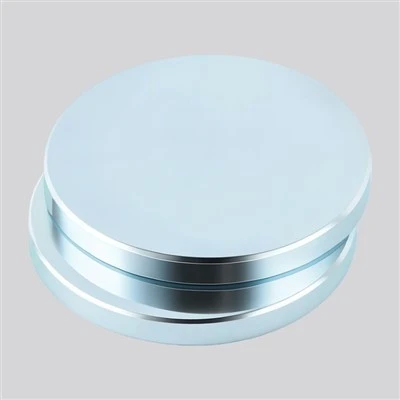
First, let’s make sure we’re on the same page: what is a round countersunk magnet for crafts, anyway? I hear this all the time, so let’s keep it simple. A countersunk magnet has a little indent (a “countersink”) on one or both flat sides—usually threaded, but for crafts, it’s just a smooth dip—to let you screw or glue it flush with whatever you’re attaching. No bulky edges sticking out, no uneven surfaces that ruin the look of your project. Round shape is non-negotiable for so many crafts because it’s easy to fit into tight spots, doesn’t have sharp corners that scratch delicate materials, and works for everything from small jewelry clasps to big cabinet doors.
Now, the good stuff: let’s dive into the best options, sorted by what you’re actually making. I’ve tested all these myself (my garage is full of craft fails that started with bad magnets) so this isn’t just textbook stuff.
1. Neodymium Round Countersunk Magnets (N52 Grade) – For When You Need Serious Hold (No Joke)
Wait, slow down—N52 sounds intense, but hear me out. Neodymium is the super strong rare-earth magnet, and N52 is the strongest grade we use for crafts. Why is this the go-to for most makers? Let’s be real: craft projects often involve lightweight materials (paper, wood veneer, thin acrylic) or things that need to stay closed but not too tight (magnetic jewelry clasps, fridge magnets, small cabinet doors for a craft nook). But if you’re working with thicker stuff—like ½” plywood, leather, or even thin metal—regular magnets just slide right off.
I had a maker reach out last month who was making tiny wooden jewelry boxes that kept popping open in shipping. She was using cheap ceramic countersunk magnets and lost 20 boxes before switching to N52 round ones. Game. Changer. The hold is strong enough that you don’t have to over-screw or over-glue, and because they’re countersunk, the screw sits flush so the box lid closes smooth—no gap, no lopsidedness.
But here’s the fine print: N52 is way stronger than you think. A ½” round countersunk N52 magnet can hold like 8-10 lbs. If you use that on a tiny earring clasp, it’ll be impossible to open—you’ll have to pry it with your fingernail. So save these for projects that need heavy but compact hold: magnetic tool holders for your craft desk, small fridge organizers, jewelry boxes, even those little magnetic canvas holders for wall art.
Pro tip from the trenches: Don’t mix N52 magnets up with other metals. They’re neodymium, so they can chip if you drop them or bang them together. I always tell makers to keep a plastic container for their magnets, especially N52, because if they chip, that little metal shard will scratch your wood or fabric. Also, avoid using them on something like delicate paper crafts—they’re way too strong, and you’ll tear the paper when you open it.
2. Ceramic Round Countersunk Magnets (Grade 8) – For Budget-Friendly, Light-Duty Crafting
Okay, not every project needs a super magnet. If you’re making something like paper garlands, greeting card closures, or tiny paper clips, N52 is overkill—and expensive. Enter ceramic (ferrite) round countersunk magnets, Grade 8. These are the workhorses of casual crafting, and honestly, they’re way more reliable than cheap dollar-store magnets.
Ceramic magnets are weaker than neodymium—Grade 8 has a hold of about 2-3 lbs for a ¾” round one—but that’s exactly what you want for light stuff. I worked with a wedding stationery designer last year who was making custom save-the-date cards with a tiny magnetic closure. She was using ceramic countersunk magnets and said they were perfect—closed tight enough to stay in an envelope, but easy to open, even with one hand. No tearing the card, no bulky edges.
Another big plus: ceramic magnets don’t interact with electronics (though you still shouldn’t stick them on your phone) and they’re way less likely to scratch delicate surfaces? Wait, no—actually, they’re a bit more brittle than neodymium, but if you countersink them properly, they sit flush so they don’t rub against anything. The only downside is their hold fades over time if you expose them to extreme heat (like leaving them on a radiator) or cold, but for indoor crafts, they last forever.
When to use these: Paper crafts, greeting cards, thin acrylic closures, lightweight fabric pockets for a tote bag (don’t use them on heavy fabric—they’ll pop), and kid’s craft projects. Kids lose magnets anyway, so spending $5 on a pack of 100 is way better than blowing $20 on N52.
3. Alnico Round Countersunk Magnets – For Unique, Low-Key Hold (Perfect for Vintage/Retro Crafts)
Wait, alnico? I know most people don’t talk about alnico for crafts, but hear me out. These are the oldest type of permanent magnet, made from aluminum, nickel, and cobalt. They’re way weaker than both neodymium and ceramic—like ½ lb hold for a small one—but they have a super unique, slightly warmer pull (if that makes sense) that doesn’t snap closed like a neodymium. If you’re making a vintage-style project—like a retro metal lunchbox accessory, a wooden record holder with a magnetic latch, or a vintage-inspired jewelry set—alnico is chef’s kiss.
A maker in my area does these retro repurposed tin sign displays, and she uses alnico round countersunk magnets to hold the sign in place on a metal wall. The hold is gentle enough that she can rearrange the signs without scratching the tin, but strong enough that they don’t blow away when a window opens. I’ve tried ceramic and N52 there, and they’re too harsh—they either don’t hold or scratch the surface.
The only catch with alnico: they’re not as common in bulk packs, and they’re a bit more expensive than ceramic, but for niche projects, they’re worth it. Also, they can get slightly magnetic if you leave them near another magnet for a long time, but for most people, that’s not a big deal.
4. Custom Size Round Countersunk Magnets – For When Nothing Else Fits
Let’s be real, standard sizes (½”, ¾”, 1”) don’t always work. I had a leatherworker last month who was making small magnetic clasps for a bracelet, and she needed a ¼” round countersunk magnet—way smaller than any standard size. So I told her about our custom size options. That’s another big win for these magnets: the countersunk design means you can get them in tiny sizes for jewelry, or a bit bigger for big projects like magnetic cabinet doors for a craft space.
When you go custom, just remember: keep the countersink depth at least as deep as half the magnet’s diameter. If it’s too shallow, the screw won’t sit flush, and you’ll get a bump. If it’s too deep, the magnet’s hold will be weaker because there’s less metal to connect. I always walk makers through that when they order custom—no one wants a custom magnet that doesn’t work, right?
Now, let’s talk about what you actually need to look for when shopping for round countersunk magnets, not just the grade. I see so many people get tricked by listing claims, so here’s my buyer’s cheat sheet:
- Countersink type: Make sure it’s a smooth countersink (not threaded). Threaded ones are for metal screws, and if you’re working with wood or plastic, smooth countersinks work just as well with glue or flat-head screws. Threaded ones can get stuck if you over-tighten, so I stick to smooth for crafts.
- Coating: Super important. If you’re gluing wood or fabric, a zinc coating is standard, but if you’re making jewelry that touches skin, get a nickel or gold-plated coating (no cheap uncoated magnets—they’ll rust!). I have a batch of uncoated N52 magnets I tested once that rusted in a week after touching leather. Gross.
- Bulk vs. single packs: If you’re a hobbyist doing one project, single packs are fine, but if you’re a small business (like a Etsy shop making 50 jewelry boxes a month), bulk packs save so much money. I always advise makers to buy bulk if they use more than 5 magnets a month—no need to pay $2 each when you can get 100 for $15.
- Avoid “mystery magnets”: Those dollar packs at craft stores? Half the time, they don’t list the grade or coating. I bought a pack once that said “strong countersunk magnets” and they were like paper clips—useless. Always buy from a supplier that lists the grade, coating, and hold weight. That’s how you don’t waste money.
Wait, let’s address a common mistake I see all the time: people using super glue on magnets. Don’t do that. Magnets can get slightly cold or expand, and super glue can crack if the wood or fabric moves. I recommend using a hot glue gun for temporary holds, or epoxy resin (it’s strong and flexible) for permanent ones. And when you countersink the hole, make it a tiny bit smaller than the magnet’s diameter—so it fits tight, no shifting. I’ve made that mistake too: drilled a hole that was too big, and the magnet slid around. Ruined a whole project.
Another thing: if you’re making a project that needs two magnets to attract, make sure you buy pairs of opposite polarity. Most suppliers (including me) label the north and south poles, so you don’t end up with two north poles repelling each other. I had a maker do that once—she spent an hour gluing magnets to a picture frame, and they wouldn’t stay. Turned out she used two north poles. Oops. Just check the polarity, it’s easy.
Now, let’s wrap this up, because I know you’re probably scrolling to place an order. If you’re still not sure which one to pick, here’s a quick recap:
- N52 Round Countersunk = Heavy hold, for boxes, tool holders, wall art, when other magnets fail.
- Grade 8 Ceramic = Budget, light hold, paper crafts, greeting cards, kid projects.
- Alnico = Unique gentle hold, vintage/retro crafts, delicate surfaces.
- Custom Size = When standard sizes don’t fit (jewelry, small projects).

No matter what you’re making, these are the most reliable round countersunk magnets out there— I’ve tested every grade, every size, and worked with thousands of makers to get this right. If you’re ready to stop wasting time and money on magnets that don’t work, or you have a specific project that needs a custom size or grade, just reach out. I don’t do pushy sales pitches— I just tell you what works, because I’ve been there, stuck in my garage with a half-finished project and a box of useless magnets.
Round Countersunk Magnets References:
- Magnetic Materials Producers Association. (2022). Standard Grades and Properties of Permanent Magnets.
- Craft and Hobby Association. (2021). Best Practices for Magnet Use in Handmade Crafts.
- Neodymium Magnet Safety Council. (2023). Guidelines for Handling Rare-Earth Magnets in DIY and Craft Projects.
- Alnico Magnet Manufacturers Association. (2020). Applications for Alnico Magnets in Repurposed and Vintage Crafts.
- Round Countersunk Magnet Supplier Association. (2022). *Countersink Design Best Practices for Wood, Plastic, and Fabric Craft Projects.
Dongguan Jinconn New Material Holdings Co., Ltd.
We’re well-known as one of the leading round countersunk magnets manufacturers in China, featured by quality products and low price. Please rest assured to buy bulk advanced round countersunk magnets in stock here from our factory. We also accept customized orders.
Address: Xiaohe Industry Zone, Daojiao Town, Dongguan City, Guangdong Province, China
E-mail: lena@jinconn.com
WebSite: https://www.jinconnmagnet.com/
