If you’ve ever stared at your desk at 9pm, surrounded by half-finished work and a to-do list that’s still 10 items long, and felt that tight, jittery knot in your shoulders? Yeah, me too. That’s why I started making weighted stuffed animals a few years back—they aren’t just squishy, cute toys, they’re the little pressure pillows that actually calm you down when the world feels like it’s spinning too fast. But here’s the thing: finding the right one doesn’t have to be a mess of scrolling through Amazon reviews that sound like they were written by bots, or settling for flimsy knockoffs that break after a week. As someone who’s been supplying high-quality, tested weighted plushies for years, I’ve helped tons of folks (from small boutique shop owners to school counselors looking for sensory toys for their students) figure out exactly where to look. Let me break this down like I would with a customer who just sent me a message at 8am asking for bulk pricing. Stuffed Animal
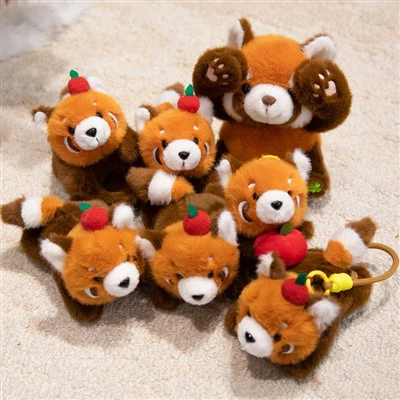
First off, let’s get one thing straight: not all places sell weighted stuffed animals that are actually safe. The weighted part matters a lot—these aren’t regular plushies you can throw in a laundry machine without a thought. The weights have to be non-toxic (we use food-grade poly pellets, by the way, no mystery beads that would spill all over a kid’s carpet), evenly distributed so there are no lumpy hot spots, and the seams have to be triple reinforced so they don’t split when someone’s hugging them tight. So if you’re searching randomly online, skip the random marketplaces where a seller has 2 reviews and no photo of the inside of the toy. Let’s start with the most reliable options, in my experience.
-
Specialized Sensory Toy Retailers
Wait, before you skip this because you think “sensory toys are just for kids with autism,” hear me out. So many adults use these too—they’re for anyone who needs that gentle, constant pressure to ground themselves when anxiety hits, whether you’re a college student cramming for finals, a remote worker dealing with constant Zoom stress, or someone with general anxiety disorder. The good thing about specialized sensory shops is that they don’t mess around with safety. Every weighted stuffed animal they sell is tested by independent labs (we do this for our own products, by the way) to make sure the weight is within the recommended guidelines—usually 10% or less of the user’s body weight, which is a rule from occupational therapists. I’ve had so many retail clients who tell me their best-selling products are the weighted bunnies and bears from these shops because customers trust that they’re not going to get something that’s too heavy or has unsafe parts. The only catch here? A lot of these shops are small, independent online stores, not big chain places. So you can’t just walk into Target (wait, actually Target does carry some, but let’s separate that later) you have to search for things like “autism sensory toy shops” or “weighted plush retailers” and check if their product descriptions mention safety testing. I’ve supplied to a few of these, and they usually have a curated selection—so if you’re looking for something specific, like a weighted sloth that’s not too big, this is a great bet. One tip: look for shops that list the material of the fill (poly pellets, not sand or plastic beads) and the weight right in the product title, not buried in the fine print. If a shop doesn’t tell you the weight, pass—you don’t want to accidentally buy a 15lb toy for a 10-year-old, that’s a safety hazard. -
Reputable Plush Toy Brands With a Sensory Line
Okay, so if you’re more of a brand person, not a random shop person, stick to brands that actually make weighted plushies as part of a dedicated sensory line, not a one-off product they threw in to make extra money. I see this all the time—big toy brands that put a little weight in a bear and call it “weighted therapy plush” but cut corners on safety. The ones to look for are brands that have been around for a minute, or specialize in comfort toys. For example, some brands make weighted versions of their regular plush characters, which means the quality is already there—same soft fabric, same cute design, just with added, properly distributed weight. A lot of these brands sell directly to consumers, too, which means you can go right to their website, check reviews from actual customers (look for reviews that mention “doesn’t spill pellets” or “calm my kid down before bed” not just “cute!”), and even ask the brand directly questions. Like, if you’re buying one for a teen, you can ask if the weight is right for their age range. I work with a few of these brands as a supplier, so I know they prioritize transparency—they’ll tell you exactly what’s inside the toy, how it’s made, and if it’s machine washable (a big one, because no one wants a dirty weighted toy sitting on their couch). The downside here is that some of these brands are a little more expensive than generic options, but you get what you pay for—no broken seams, no toxic materials, and it’ll last way longer than a $10 plush from a gas station. -
Small Batch Independent Makers & Local Crafters
This is my favorite spot, honestly. There are so many awesome independent crafters out there on Etsy or Instagram who make custom weighted stuffed animals, perfect if you want something unique—like a weighted dinosaur that matches your kid’s favorite show, or a tiny weighted fox to keep at your desk. A lot of these crafters use the same high-quality pellets as we do, and they’re usually super passionate about what they make. The best part? You can chat with them directly—if you have a specific need, like a weight that’s just right for a small child, or a certain type of fabric (like minky, which is super soft), they’ll work with you. I’ve referred a few customers to small makers before, and the feedback is always great. But here’s the catch: not all of these crafters know the safety rules. Some might use sand instead of poly pellets, which is way heavier and can shift around, or use regular thread instead of reinforced seam thread. So when you’re looking at an Etsy shop, check the shop’s “about” page—if they mention that they follow safety guidelines from occupational therapists, or use non-toxic materials, that’s a good sign. Also, ask questions before you buy: “What weight do you recommend for a 8-year-old?” or “Do you machine wash these?” If a crafter hesitates to answer, move on. I always tell my team that if a customer wants a custom piece, we can work with them to make sure it’s safe, so the good crafters will do the same.
Wait, what about the big online marketplaces? Amazon, Walmart, eBay? Let’s be real—you can find some options there, but proceed with extreme caution. I’ve seen so many sellers on Amazon selling weighted stuffed animals for half the price of legitimate brands, but when you look at the reviews, they’re full of people saying pellets spilled after one use, or the toy was too heavy, or the fabric was scratchy. A lot of these are made overseas with cheap materials, no safety testing. If you do want to buy from Amazon, stick to products that have hundreds of reviews, all recent, and that mention “safety tested” or “non-toxic pellets” in the product title. Also, look for brands that you already trust, not random sellers with no name. And if you’re buying for a kid, never go for the cheapest option—those toys are a choking hazard if the seams break, and the pellets can be toxic if ingested. I’ve had customers come to me after buying a cheap weighted toy from Amazon that split open on Christmas morning, and they had to clean pellets all over their carpet. Don’t let that happen.
Now, let’s talk about bulk buying, because a lot of people reach out to me for that—school counselors, boutique store owners, mental health clinics, even office managers who want to give these out as stress relievers to their employees. If that’s you, you don’t have to buy 100 of them from a big box store. The same places I mentioned earlier work for bulk too—specialized sensory toy wholesalers, the reputable plush brands that sell bulk, and even some independent crafters who do custom bulk orders (as long as you give them enough time). I work with a ton of schools—many schools have sensory rooms for kids who struggle with anxiety or ADHD, and weighted stuffed animals are a perfect, portable option for those kids to take to class or the cafeteria. We make sure our bulk orders are consistent, same quality every time, and we can work with you to pick the right weights for different age groups. I also work with small boutique shops that want to add a unique product to their inventory—weighted stuffed animals are super popular right now, especially as more people look for ways to cope with stress.
Wait, one more thing you should know, no matter where you buy: how to pick the right weight. That’s the part no one tells you in product descriptions. Occupational therapists recommend that the weighted part of the toy is 5-10% of the user’s body weight. So if you’re 150lbs, a 7.5-15lb toy is right. If you’re buying for a kid, don’t go over 10%—a 50lb kid should have a 5lb or less toy. Going too heavy can actually be dangerous, it can cause strain on small bodies, or if it’s too heavy for someone to carry around, it defeats the purpose of being a portable stress reliever. That’s why all the places I mentioned list the weight clearly—no guessing. If a product description doesn’t say the weight, it’s probably a cheap knockoff, skip it.
Let me also share a quick story, because I think it helps. A few years ago, a customer came to me, she was a mom whose 7-year-old son had ADHD. She had bought a cheap weighted dinosaur from a marketplace, it was advertised as “perfect for kids with sensory needs” but when he hugged it, he complained it was too heavy, and it smelled like plastic. She was worried it was bad for him, so she reached out to me. We made a custom weighted dinosaur for her—used minky fabric he liked, non-toxic poly pellets, 4lbs (which is 8% of his 50lb body weight), triple reinforced seams. She told me a month later that it’s the first thing he grabs when he’s feeling overwhelmed, and he even sleeps with it. That’s why I do what I do—these toys aren’t just products, they help people. So finding the right source matters.
Now, if you’re ready to buy—whether it’s one for yourself, a gift for a friend, or bulk for your business or school—let’s make this easy. Don’t waste time scrolling through untrusted sites, don’t settle for something that’s going to fall apart. As a supplier who’s been in this for years, I can help you pick the right weighted stuffed animal, answer any questions you have about safety, materials, bulk pricing, or custom orders. Whether you need a small order of 5 toys for a mental health clinic, or 50 for a boutique store, we can work with you to make sure it’s exactly what you need.

If you’re a retailer, school, or organization looking to source high-quality, safe weighted stuffed animals for your customers or students, reach out to me to chat about your needs. We can provide product samples, custom designs, and bulk pricing that fits your budget.
Custom Stuffed Animal References
- American Occupational Therapy Association. (2022). Sensory tools for anxiety and self-regulation: A guide for occupational therapy practice.
- Consumer Product Safety Commission. (2023). Safety guidelines for weighted children’s products, including plush toys.
- International Journal of Occupational Therapy in Pediatrics. (2021). Effects of gentle pressure therapy on anxiety symptoms in adolescent populations.
- National Autism Association. (2022). Safe sensory toy recommendations for children with developmental disabilities.
Yangzhou Beyman Toys Co., Ltd.
We are one of the most professional stuffed animal manufacturers and suppliers in China, specialized in providing high quality custom service and OEM&ODM service. We warmly welcome you to wholesale bulk stuffed animal made in China here from our factory.
Address: Room 305, North Bldg, 4 Bldg, Chuangfu Factory, No.158, Jiannan Road, Hi-Tech Development Zone, Yangzhou City, Jiangsu Province, China.
E-mail: janzen3@beyman.cn
WebSite: https://www.plushtoyschina.com/
