Hey folks, if you’ve ever picked up a bag of raw almonds, cashews, or walnuts from the grocery store and glanced at the small print on the side, you’ve probably seen a bunch of confusing terms: “compostable,” “biodegradable,” “home compostable,” “industrial compostable” — I’ve seen shoppers get so overwhelmed they just grab whatever looks plain, right? As a nut packaging bags supplier, I get asked this question at least 10 times a week: “Are your nut packaging bags actually compostable, or is this just greenwashing?” Let me break this down straight, no corporate fluff, no jargon you have to Google — just the real stuff I deal with every day. Nut Packaging Bags

First, let’s clear up the biggest myth: “compostable” doesn’t mean “will break down in any random dirt pile.” That’s the mistake so many people make when they toss their old snack bags into the backyard compost bin, only to find a crumbly but still recognizable plastic spot six months later. Most compostable nut bags I’ve worked with are certified for industrial composting first. Industrial compost facilities run at super specific temperatures — like 130 to 170 degrees Fahrenheit, way hotter than a backyard bin ever gets — and they have the right microbes, moisture, and airflow to break down materials within 90 to 180 days. Backyard compost? That’s usually cooler, drier, and way less consistent, so even certified compostable bags might hang around a lot longer there. I’ve had a customer tell me they threw their test bag into their vegetable garden, and a year later it was still there — that’s not a failure of the bag, that’s a failure of where they put it.
Now, let’s talk about what actually makes a nut packaging bag compostable. Most of the good ones I source use plant-based materials, right? Corn starch, sugarcane bagasse, even hemp or flax fibers — none of that petroleum-based plastic stuff, which is what regular grocery bags are made from. Wait, but not all plant-based plastics are created equal. I’ve seen cheap knockoff nut bags that say “compostable” on the label, but they have a thin layer of polyethylene (the same old plastic) to keep nuts from getting stale or oily. That layer is supposed to seal out moisture and oxygen, but if it’s not plant-based, it won’t break down. So that’s a big red flag for shoppers. As a supplier, we only work with materials that are fully compostable — no hidden plastic layers, no fillers that don’t break down — because I don’t want my customers to feel ripped off when their “eco-friendly” bag doesn’t decompose like it should.
Another thing that comes up a lot with nuts specifically: oil. Nuts are high in fat and oil, so the packaging has to be grease-resistant, right? If you use a regular paper bag, the oil seeps through in a day or two, and the nuts go rancid. So how do compostable bags handle that? We use a plant-based coating, like PLA (polylactic acid, made from fermented plant sugars) or algae-based films, instead of the petroleum-based ones. I tested a bunch of different coatings last year — some of them worked great for a month, keeping cashews fresh without any oil seepage, but when they hit an industrial compost bin, the coating broke down just like the rest of the bag. The bad ones? Coating cracked after two weeks, and the nuts spoiled. That’s why as a supplier, I don’t cut corners on that coating — it’s not just about being eco-friendly, it’s about doing the job the bag is actually supposed to do, too.
Now, what about home compostable vs. industrial compostable — which is better? I get why shoppers want home compostable, because not everyone lives near an industrial compost facility, and they don’t want to haul their bags to a drop-off point. There are actually some home-compostable nut packaging bags on the market now, but they have stricter requirements. The certification for home compostable (like the BPI “Home Compostable” label) means they have to break down in a home bin within 180 days, without leaving any toxic residue that would mess up your soil. But they’re also a little more expensive to produce, so the price gets passed down a bit. As a supplier, we have both options, because I know different customers have different needs: small nut roasters might have a regular backyard compost bin, so home-compostable makes sense, while bigger brands with access to industrial compost might want the lower-cost industrial-certified bags.
Wait, let’s talk greenwashing — because this is a huge problem. I’ve seen so many brands slap “compostable” on their nut bags just to look eco-friendly, but they don’t have any third-party certification. What’s a third-party certification? That’s when an independent organization tests the bag to make sure it actually breaks down and doesn’t harm the environment. The big ones I trust are BPI (Biodegradable Products Institute) in the US, OK Compost in Europe, and DIN CERTCO. If your nut bag doesn’t have one of those labels, it’s probably just marketing. I once had a brand reach out to me asking for “compostable nut bags” on a super tight budget, and they wanted me to use a generic “plant-based” plastic that wasn’t certified. I had to tell them straight up — if it’s not certified, it’s not actually compostable, and you’re just misleading your customers. That’s the kind of stuff I won’t do as a supplier, because my reputation depends on being honest, not just selling a “green” product.
Another common question: can these compostable nut bags be recycled, too? Wait, no — and that’s another thing people mix up. Compostable and recyclable are two totally different things. A lot of compostable nut bags are made from plant-based plastic that can’t go in your regular curbside recycling bin, because recycling facilities sort out plastic types, and PLA (one of the most common compostable materials) can contaminate the whole batch if it’s mixed with petroleum plastic. So if you want to recycle your nut bag, it’s better to stick to recyclable materials like paper, but if you’re going to compost it, make sure it’s certified compostable. As a supplier, I always tell my customers to check their local facilities: some towns have compost drop-off points that will accept certified compostable bags, and that’s way better than tossing them in the trash, where they’d sit in a landfill for years without breaking down.
Let me share a quick real example from last year, to make this concrete. A small local nut farm reached out to me because they were getting complaints that their old plastic bags were “bad for the environment,” and they wanted to switch to compostable. We supplied them with BPI-certified industrial compostable nut bags, and we also gave them a stack of small labels to put on the bins at their farm, telling customers to drop the empty bags off at the town’s industrial compost facility instead of backyard compost. Six months later, they sent me a note saying their customers were so happy — not only were the bags eco-friendly, but the nuts stayed fresh longer than they did in the old plastic. Why? Because the compostable coating kept the oil in, and the material was airtight enough to prevent staleness. That’s the sweet spot for me: a bag that does both its job for the nut, and does good for the planet.
Now, let’s get to the myths that actually harm the eco movement. One I hear all the time: “if it’s compostable, it can break down anywhere.” No, that’s not true. Even the best certified compostable nut bag will only break down properly in the right conditions. I’ve had customers throw test bags into a municipal landfill (which is anaerobic, no oxygen, super compacted) and find them months later still looking like a bag. That’s because landfills are designed to decompose trash slowly, not compost it. So don’t toss your compostable nut bag in the landfill — it won’t help. If you can’t compost it at home, find a local compost drop-off, or ask your waste management company if they have a compost program.
As a nut packaging bags supplier, I also care about the impact these bags have on the nut industry overall. Nuts are already seen as a healthy, sustainable snack — but the packaging was holding that back. For years, nut bags were just plain plastic, which felt like a contradiction. Now, with certified compostable options, that whole image is shifting. But there’s still a gap between what customers want and what’s available. A lot of small nut brands can’t afford the higher cost of certified home-compostable bags, so I’ve been working with a few material companies to find a middle ground — something that’s still industrial-certified, but costs less to produce, so we can pass those savings along without cutting corners.
Wait, let’s address the elephant in the room: are compostable nut bags better than regular plastic? The short answer is yes, but only if they’re actually compostable and disposed of correctly. Regular plastic nut bags take 200 to 500 years to break down, leach microplastics into soil and water, and often end up in oceans or landfills. Compostable bags, when properly composted, turn into nutrient-rich soil that doesn’t have any toxic residue — so they actually give back. But if a bag is fake, uncertified, or tossed in a landfill, it’s barely better than plastic. That’s why transparency is key. I never hide what my bags are made of, what certification they have, and how to dispose of them — because if a customer feels informed, they’ll make the right choice, and that’s better for everyone.
Now, I know some people are still skeptical, and that’s fair. There’s been a lot of greenwashing in the packaging industry lately, so it’s smart to be wary. When you’re looking for nut packaging bags that are compostable, here are the three things to check: 1) Third-party certification (BPI, OK Compost, etc.), 2) No hidden plastic layers (ask the supplier if the whole bag is compostable, not just part of it), and 3) Disposal instructions (if they don’t tell you where to compost it, that’s a red flag).
At the end of the day, I started this business because I wanted to do better than the cheap plastic bags that were just filling up landfills. Every time I work with a nut brand that’s switching to compostable packaging, I know we’re not just selling a bag — we’re helping reduce waste, and making a product that’s actually aligned with what nuts stand for: natural, healthy, and kind to the planet.
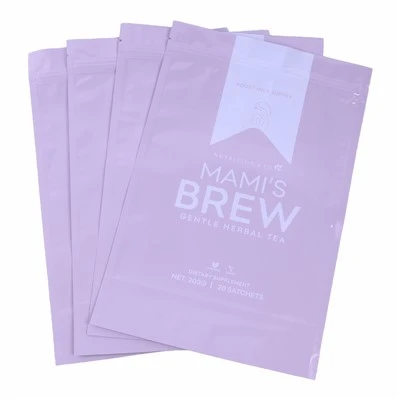
If you’re a nut brand, a small farm, or even someone who wants to learn more about compostable nut packaging, feel free to reach out. I’m always happy to walk through your needs, show you the certifications, and help you pick the right bag that works for your nuts and your values. No sales pitch, no pressure — just straight talk about what actually works.
Facial Mask Packaging Bags References:
- Biodegradable Products Institute (BPI). Compostable Packaging Certification Guide. 2023.
- US Composting Council. "Home vs. Industrial Compostable Materials: Key Differences for Food Packaging." 2022.
- European Bioplastics. "Compostable Plastics for Food Applications: Performance and End-of-Life Impacts." 2023.
- National Retail Federation. "Shopper Awareness of Compostable Packaging: 2024 Consumer Survey."
- USDA Agricultural Research Service. "Oil-Resistant Plant-Based Coatings for Nut Packaging: Shelf Life and Compostability Testing." 2021.
Shenzhen Xinhuaye Packaging Products Co., Ltd.
Shenzhen Xinhuaye Packaging Products Co., Ltd. is one of the most reliable nut packaging bags manufacturers and suppliers in China, featured by quality products and good price. If you’re going to wholesale bulk durable nut packaging bags, welcome to get quotation from our factory. Customized orders are welcome.
Address: No. 168, Changshan Industrial Zone, Liulian Community, Pingdi Street, Longgang District, Shenzhen, China
E-mail: cici@xinhuayepacking.com
WebSite: https://www.xinhuayepacking.com/
