If you’ve ever spent time on an active oilfield, you know the hum of equipment doesn’t stop—day or night, pumps, compressors, and processing units run around the clock, guzzling power that eats into both operating costs and environmental performance. As someone who’s supplied oilfield equipment for over a decade, I’ve sat across countless tables with operators who’re frustrated by their power bills, especially with today’s volatile energy prices. The good news is that optimizing your oilfield equipment’s power consumption isn’t just a dream—it’s actionable, and many of the fixes don’t require tearing out your entire fleet. Let’s break down what works, the hurdles I’ve seen clients miss, and how to make it stick. Oilfield Equipment

First, a lot of operators jump straight to buying new, high-efficiency equipment, but that’s rarely the first (or most cost-effective) step. Most existing equipment has hidden inefficiencies that are easy to fix with small, targeted changes. Let’s start with motor systems—they’re the workhorses of any oilfield, powering everything from wellhead pumps to conveyor belts for crude transport. I’ve had a client in West Texas who was running 15-year-old induction motors that were operating at just 62% efficiency at peak load. That’s a huge gap. The fix wasn’t replacing every motor right away; it was retrofitting them with variable frequency drives (VFDs) and conducting a motor circuit analysis (MCA) to catch worn windings or misalignment. VFDs let you adjust a motor’s speed to match actual demand, not run it at full tilt 24/7 even when a well is producing less crude. That single change cut that client’s motor power use by 28% in the first six months, and the ROI was just 18 months—way faster than a full fleet upgrade.
Wait, but not all motors are a fit for VFDs. I’ve learned the hard way that constant torque applications, like positive displacement pumps, don’t always play well with VFDs if you don’t tweak the cooling systems first. Under-speed operation can starve the motor’s cooling fan, leading to overheating and shorter lifespan. The key here is to pair VFDs with external cooling kits for those specific motors, a detail many operators miss when they first research upgrades. As a supplier, we now include that recommendation in every VFD quote, because skipping it leads to avoidable breakdowns and erases the power savings.
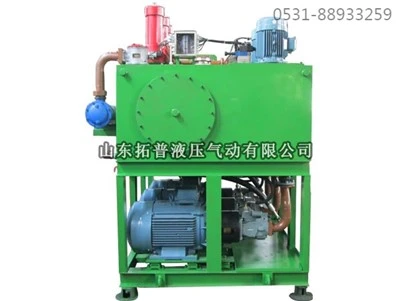
Next, let’s talk about hydraulic systems, which are another big power drain on oilfields. Hydraulics power things like well control panels, pipe handling tools, and drilling rig components. A common issue here is internal leakage—worn seals or damaged hoses let pressure bleed off, so the system works harder than it needs to to maintain the required force. I had a client in the Permian who was losing an estimated 12% of their hydraulic power to leaks across 20 rigs. We didn’t just tell them to replace all seals; we implemented a routine ultrasonic leak detection audit, something we now offer as part of our post-install support. Every quarter, our techs show up with a portable ultrasonic device that picks up the high-frequency sound of escaping fluid, letting crews fix leaks before they add up. We also switched them to synthetic hydraulic fluids that have a higher viscosity index, meaning they maintain their thickness across wide temperature swings—cold oilfield nights mean thinner fluid, which increases friction and power use. That one fluid swap alone cut their hydraulic system power consumption by 7%.
Then there’s waste heat recovery, a area I’ve seen way too many operators overlook. Oilfield equipment generates massive amounts of heat—from engine exhaust, compressor aftercoolers, even processing units that separate crude from water. That heat usually just gets vented into the air, but it can be repurposed to cut power use for other systems. For example, I worked with a rig operator in Alberta who was using electric heaters to keep their fuel lines from gelling in winter. Instead, we installed a heat exchanger that taps into the engine’s exhaust heat, routing that warm air through the fuel lines. That eliminated 90% of their electric heater use, saving them over $10,000 a month on power during cold snaps. The best part? The heat exchanger was a modular add-on that fit their existing rig engines—no major modifications needed. We’ve also partnered with operators to use waste heat from compressor systems to pre-heat crude before it goes into processing, cutting the energy needed for downstream heating by 15% in some cases.
Of course, none of these fixes matter if you don’t have a clear way to monitor power use in real time. A lot of oilfields still rely on monthly utility bills to track power, which means you’re only seeing a snapshot of what happened 30 days prior. I can’t stress enough how important it is to install smart power monitoring systems on your equipment. These systems track voltage, current, and load in real time, sending alerts when a motor is running inefficiently or a hydraulic system has an unexpected spike in power use. Last year, a client in the Bakken installed our smart power sensors on their pumpjack fleet. Within a month, the sensors caught a misaligned pumpjack rod that was adding 12% extra power draw. They fixed the alignment immediately, and saved $14,000 in the first quarter alone. The data from these systems also lets you fine-tune operations—like adjusting flow rates during off-peak hours for the grid, when electricity is cheaper. It’s not just about cutting use; it’s about using power smarter when it matters most.
Another angle is equipment maintenance, which is often seen as a cost rather than an investment, but it’s directly tied to power efficiency. Worn parts, dirty filters, and misaligned components make every system work harder. I’ve seen a rig that was running dirty air filters on its diesel engines— the engines had to work 22% harder to pull in air, burning more fuel (which translates to higher power costs for the rig). A $50 filter change fixed that. We’ve built maintenance plans into our equipment supply packages that include monthly checks for critical efficiency-related parts, like motor bearings, hydraulic filters, and heat exchangers. It’s a simple step, but it’s one that operators who skip it end up paying for in higher power bills and premature equipment failure.
Now, let’s talk about common pitfalls I see operators make when trying to optimize power. First, chasing the highest efficiency rating without considering their specific application. A super-efficient motor might cost 30% more upfront, but if your load only runs at 40% capacity, that extra efficiency doesn’t pay for itself. We do load analysis assessments for every client before we recommend upgrades, to make sure the solution matches their actual needs, not a one-size-fits-all spec. Second, ignoring auxiliary equipment. Things like lighting, control room HVAC, and even phone chargers add up—some operators spend millions on equipment upgrades but don’t turn off unused control room units when crews go offline, wasting 5-10% of their total power. Small changes, like LED lighting (which uses 75% less power than incandescent) and motion sensors for common areas, add up fast. Third, not accounting for seasonal changes. A system that’s efficient in summer might waste power in winter if it’s not adjusted for colder temperatures, which is why we include seasonal tune-ups in our maintenance support.
Casting Industry At the end of the day, optimizing power consumption for oilfield equipment is a mix of small, actionable steps and smart data. It’s not about doing a single big project—it’s about refining how your equipment runs every day, and having a partner who understands the unique challenges of oilfield operations, not just generic efficiency tips. If you’re tired of power bills eating into your profits, or your equipment is running harder than it needs to, let’s connect. We can walk through your current fleet, identify the biggest inefficiencies, and build a plan that fits your budget and operations. It doesn’t have to be complicated, and the savings will add up fast.
References
- International Organization for Standardization (ISO). "Petroleum and natural gas industries – Energy efficiency optimization for oil and gas processing equipment." ISO 14801:2021, 2021.
- American Petroleum Institute (API). "Recommended Practice for Energy Management in Exploration and Production Operations." API RP 1178, 2019.
- U.S. Department of Energy. "Motor System Optimization for Industrial Applications: Oil and Gas Sector Guide." Office of Energy Efficiency and Renewable Energy, 2020.
- Society of Petroleum Engineers (SPE). "Reducing Hydraulic System Power Consumption in Onshore Oilfield Operations." SPE Annual Technical Conference and Exhibition, 2022.
- Global Petroleum Research Institute (GPRI). "Waste Heat Recovery Technologies for Remote Oilfield Equipment." GPRI Report 2021-004, 2021.
Shandong Huate Tuojiang Intelligent Equipment Co., Ltd.
As one of the leading manufacturers and suppliers of oilfield equipment in China, we’re featured by quality products and good price. Please rest assured to buy advanced oilfield equipment for sale here from our factory. Welcome to view our website for more information.
Address: Sino-German Cooperation Industrial Park, Licheng District, Jinan City, Shandong Province
E-mail: sdhttj01@163.com
WebSite: https://www.httjznzb.com/
