Hey everyone, let’s talk about something that’s probably the unsung hero in labs, hospitals, and even tattoo shops—medical autoclaves. If you’ve ever wondered how surgical tools, lab glassware, or even dental instruments get 100% safe to use, it’s this bad boy doing the heavy lifting. I run a company that supplies these, so I’ve spent years geeking out over how they work and why they’re non-negotiable for any setting that deals with biohazardous stuff. Let’s break it down like we’re chatting over a coffee, no textbook jargon required. Autoclave
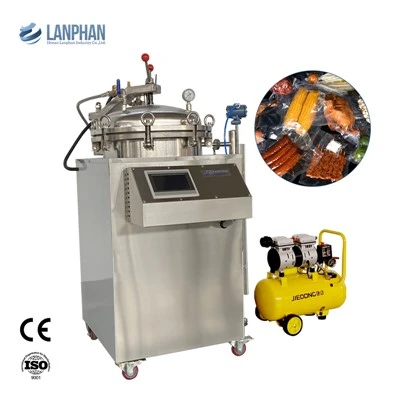
First, let’s get the basics right: an autoclave is basically a high-pressure, high-temperature steam machine. Wait, not just any steam—we’re talking 121 degrees Celsius (that’s 250 degrees Fahrenheit) at like 15 pounds per square inch (PSI) of pressure. Why pressure? Because water boils at a higher temp when you crank up the pressure. That extra heat is what kills the really stubborn stuff: bacteria spores, viruses, fungi, even those weird prions that mess up brain tissue (think mad cow disease). Regular boiling only gets up to 100C, so it misses those spores, which can lie dormant for years and cause infections if they end up on a tool. I’ve seen too many small clinics skip this step because they think “boiling works,” but that’s a quick way to get people sick.
How does it actually work? Let’s walk through a typical cycle. You load the chamber with your items—just make sure they’re not too crammed, right? Steam has to reach every surface. The door seals tight, the air inside gets pumped out (that’s key—if there’s trapped air, the steam can’t penetrate), then you ramp up the pressure and temp. The standard cycle is 15 to 20 minutes, but some stuff needs longer—like dense items, or those wrapped packs that stay sterile for weeks after. Once the cycle ends, the pressure slowly releases, so you don’t get a steam burn. Then you unload, and boom—your tools are good to go.
Wait, who uses these things? Pretty much every place that handles anything touchable by a patient or research sample. Hospitals use them for surgical instruments, wound dressings, even linens from operating rooms. Labs rely on them for glassware, media (that’s the nutrient stuff for growing bacteria), and plastic lab supplies. Tattoo and piercing shops? They have to autoclave needles and equipment per health codes—no exceptions. I once got a call from a guy who runs a small tattoo studio; he was using a cheap microwave sterilizer and it kept burning his needle tips. Switched to our autoclave, and he’s never had a client complain about infections since. It’s the little things that matter here.
A common question I get: is an autoclave the same as a pressure cooker? Short answer—no, not really. Pressure cookers are for cooking food, obviously, but their cycles are way shorter, and they don’t have the same sterile validation. A medical autoclave has built-in controls to track temp, pressure, and time, and it prints out a record of the cycle. That record is non-negotiable for hospitals and clinics; health inspectors ask for those reports every time they come. A pressure cooker can’t do that, so it’s not a replacement. Plus, autoclaves are built to handle consistent, heavy use—your kitchen pressure cooker isn’t made to run 10+ cycles a day, 5 days a week.
Now, let’s talk about maintenance, because if your autoclave breaks, it’s useless. I tell all my clients to do a quick check every week: make sure the door seal is clean (any gunk there can cause leaks, messing with pressure), check the water level (it needs distilled water, not tap—tap has minerals that build up and clog the lines), and run a spore test once a month. Spore tests are little strips you put in the autoclave; after the cycle, you send them off to a lab, and they tell you if any spores survived. If they did, your machine’s not working right, and you need to service it. Skipping that spore test is a risk I won’t let anyone take. Last year, a small clinic we work with didn’t test for 3 months, and they had a mild outbreak of staph from their surgical tools—total avoidable.
Another thing to consider: what size autoclave do you need? It depends on how much stuff you’re processing. A small tattoo shop might only need a 10-liter one, which fits a few sets of tools. A hospital? They might need a 500-liter or bigger, because they’re processing hundreds of instruments a day. Don’t overbuy, but don’t undersize—if you’re always waiting for a cycle to finish, you’re wasting time and risking backups. I’ve had clients come to me after buying a too-small machine; they end up having to process batches twice, which doubles their time. We make sure to ask lots of questions about their daily usage before recommending a model, so they don’t have that problem.
Wait, let’s clear up a myth: autoclaves don’t use chemicals, right? That’s one of their biggest perks. A lot of sterilizers use things like ethylene oxide (EtO) which is toxic, or hydrogen peroxide, but autoclaves use steam and heat, so no harsh fumes. That’s better for the environment, and better for your staff who don’t have to work around chemicals. Some items can’t handle heat, though—like certain plastics, or delicate electronics. For those, we also offer chemical sterilizers, but 90% of the time, autoclave is the way to go.
Now, why should you work with someone like me? I don’t just sell a machine and dip. I help you pick the right size, walk you through installation, train your staff, and do regular service checks. Autoclaves are an investment—you want something that lasts, not a cheap knockoff that breaks in a year. I’ve seen clients go with the “super cheap” option from an unknown brand, and within 6 months, they’re back needing a new machine because the pressure gauge was off, so their cycles weren’t working. That’s a headache no one needs.
If you’re a clinic, lab, tattoo studio, or anyone else needing a reliable autoclave, let’s chat. I can answer all your questions, walk you through the different models, and make sure you get exactly what you need without overpaying. No salesy fluff, just straight talk about what works for your space and your budget. Let’s get your sterilization process safe and consistent, so you can focus on what you do best.
Tablet Press References
- Centers for Disease Control and Prevention (CDC). Guidelines for Disinfection and Sterilization in Healthcare Facilities, 2008.
- World Health Organization (WHO). Laboratory Biosafety Manual, 4th Edition.
- Occupational Safety and Health Administration (OSHA). Steam Sterilizers (Autoclaves) Safety Guidelines.
- Association for the Advancement of Medical Instrumentation (AAMI). Standard for Steam Sterilizers, ANSI/AAMI ST79.
Henan Lanphan Industry Co., Ltd.
As one of the most professional autoclave suppliers in China, we have world-leading production equipment and strong manufacturing capabilities. Please rest assured to wholesale advanced autoclave for sale here from our factory. For price consultation, contact us.
Address: Room 801, East Tower, Xiyuan Square, Zhongyuan District, Zhengzhou City, Henan Province
E-mail: lanphanindustry@lanphan.com
WebSite: https://www.lanphan-industry.com/
