Hey everyone, it’s Mike here from your go-to cladding materials supplier, and today I’m diving into a question I get at least three times a week from architects, builders, and even homeowners in earthquake zones: Are cladding materials actually a good call for places that shake a lot? Let’s cut the jargon, skip the textbook fluff, and get real about this—because I’ve seen way too many folks pick a cladding that looks cool but falls apart during a tremor, and that’s the last thing anyone needs. Cladding Materials
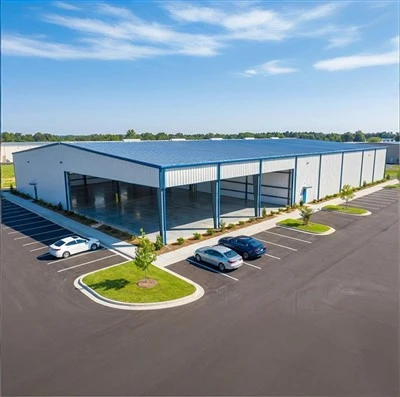
First, let’s break down what cladding does, right? It’s not just for looks. Cladding wraps a building’s exterior, shielding it from rain, wind, UV rays, and yeah, sometimes seismic activity. But earthquakes are chaotic—they twist, shake, and shift a structure way more than regular weather. So not all cladding is equal here. Let’s start with the bad news: some materials are totally unsuitable for quake zones, and I’ve turned away more than one customer who wanted to use those. Old-school materials like thin, brittle ceramic tiles? They’re a disaster. I’ve seen photos from a 2019 quake in Puerto Rico where half the tile cladding flew off buildings, not just damaging cars below but leaving the wall exposed to water damage that would’ve cost way more to fix later. Tile has no flex—when a building sways even a few inches, it cracks and detaches. That’s a big no-no. Also, some cheap fiber cement products that are super rigid? Same issue—they snap instead of bending with the building, leading to gaps and loose panels.
Now the good stuff: the cladding materials that actually work for earthquake-prone areas. Let’s talk composite aluminum cladding first, because that’s one of our top sellers here. Wait, I know some people think aluminum is flimsy, but modern composite aluminum panels—they’re made of two thin aluminum sheets bonded to a polyethylene core, and there are quake-specific grades with a firmer, non-flammable core. These panels flex a lot more than ceramic or rigid fiber cement. During the 2023 Turkey-Syria quakes, reports from structural engineers noted that buildings with tested composite aluminum cladding had almost no panel detachment, even when the building swayed 6 inches or more. Why? Because the panels are lightweight, so when they do move, they don’t put extra stress on the wall anchor points. Heavy cladding—like natural stone—adds tons of dead weight, and that weight can pull anchors right out during a quake. Composite aluminum cuts that weight by 70% compared to a same-size stone panel, which is a game-changer for seismic load.
Another one: engineered wood cladding. Wait, wood sounds like it would be weak, but engineered wood products like cross-laminated timber (CLT) or oriented strand board (OSB) cladding panels are tested for seismic performance. A 2021 study from the Pacific Earthquake Engineering Research Center (PEER) found that CLT cladding can dissipate seismic energy better than rigid masonry cladding. It’s flexible, it’s got a little give, so it absorbs small shakes instead of transferring that force to the building’s frame. Plus, if you get fire-treated engineered wood, it meets building codes even in high-seismic areas, which is a bonus for eco-focused builders. I’ve supplied CLT panels to projects in Seattle and Portland—both are on major fault lines—and the builders there told me they love that it’s light, easy to install, and holds up during small tremors that pop up every few years.
Wait, but here’s the thing: it’s not just the material—installation matters just as much. I can sell you the best composite aluminum panels on the planet, but if your contractor nails them too tight or uses cheap anchors, they’re going to come loose in a quake. I always tell customers in quake zones: don’t skimp on installation. We work with a network of structural engineers who specialize in seismic building, and we always recommend they use epoxy-coated stainless steel anchors that are rated for seismic activity. Regular steel anchors can rust, which weakens them over time, and during a quake, a weak anchor is just as bad as no anchor. Also, leaving a little gap between panels—called a seismic joint—lets them move without bumping into each other. I’ve seen installers cram panels too tight, and during a 5.0 quake in Northern California, those panels buckled because they couldn’t expand. That’s a mistake we teach our clients to avoid.
Now, let’s address a common myth I hear: “Lightweight cladding is automatically better for quakes.” Yeah, mostly, but not all lightweight stuff. I once had a customer who wanted to use thin vinyl cladding because it’s cheap and light, and I had to tell him no. Wait, vinyl is lightweight, but it’s super brittle when it gets cold—we all remember how vinyl siding cracks in winter. During an earthquake, those cracks turn into gaps, and wind or rain can get in, ruining the wall insulation. Also, vinyl doesn’t have any structural strength; it’s just a thin sheet, so it doesn’t help the building absorb any seismic force. It’s light, but it’s not suitable for quake zones. The key is lightweight and flexible, not just light. That’s why composite aluminum and CLT work—they’re light but have enough structural integrity to hold up when the building moves.
Another angle: what about existing buildings in quake zones? A lot of people want to retrofit their old homes or offices with new cladding, and that’s totally doable, but you have to pick the right material. For example, if you have a masonry building with old tile cladding, swapping it for composite aluminum is a way better retrofit than trying to fix the tile. Masonry buildings are already heavy, so adding less weight with cladding reduces the seismic load on the structure. I worked on a retrofit project in Los Angeles a couple years ago—an old 1950s office building that had tile cladding that had been cracking for years. We swapped it for our seismically rated composite aluminum panels, and the building passed the city’s seismic safety inspection on the first try. The owner saved money on repairs later, too, because no more water damage from loose tiles.
Wait, let’s talk about testing. How do you know a cladding material is actually suitable for quake zones? Look for certifications—I always tell customers to check for ICC ES (International Code Council Evaluation Service) ratings, especially for seismic zones 3 and 4 (which are the highest, places like San Francisco, Anchorage, or Tokyo). Those ratings mean the material has been tested on shake tables that simulate real quakes, so you can trust it. A lot of cheap cladding from overseas doesn’t have those ratings, and that’s where people get into trouble. I had a customer who imported a bunch of unrated cladding for a project in Alaska, and when the state’s building department found out, they made him rip it all out. That cost him way more than buying certified cladding in the first place.
Also, climate plays a role. Wait, you might be thinking, “Earthquake zones are usually warm?” No, places like Alaska and the Pacific Northwest are cold, so cladding has to handle both cold temperatures and tremors. Composite aluminum doesn’t expand or contract much in extreme temperatures, so the seals between panels stay intact. CLT, if it’s properly sealed, also holds up in cold—unlike wood, which can warp if it’s not treated. Vinyl, like I mentioned, cracks in cold, so that’s a double whammy for cold quake zones. For hot quake zones, like Southern California, UV rays can break down some cladding materials, but our composite aluminum has a baked-on PVDF coating that resists UV, so it doesn’t become brittle over time. That’s important because a brittle coating means the panel can crack during a quake.
Now, let’s be honest—no cladding is 100% indestructible in a major earthquake. Even the best material can have issues if the quake is way stronger than what it’s designed for. But the right cladding will minimize damage, keep people safe, and reduce repair costs. The wrong cladding can lead to injuries, property damage, and even building collapses, which is why this isn’t a decision to make based on price alone. I always tell customers: spend a little more on seismically rated cladding now, and you’ll save way more later.
Wait, let’s wrap this up with a real example. Last year, we supplied cladding for a residential development in Portland, OR. Portland is in the Cascadia Subduction Zone, which is overdue for a major quake—like a 9.0, that’s huge. The builders there chose our seismically tested composite aluminum panels and CLT cladding, with stainless steel seismic anchors. After a small 4.2 quake hit the area last spring, the builders checked every panel—zero damage, no loose panels, no gaps. That’s exactly what we want to see. If they’d gone with cheap ceramic tile, I bet half would’ve been off, and they’d be fixing it now.
So if you’re an architect, builder, or homeowner in an earthquake-prone area, don’t just pick cladding because it looks good or is cheap. Reach out to our team—we don’t just sell materials, we help you pick the right one for your project, whether it’s a new build or a retrofit, and we connect you with the right structural engineers to make sure installation is done right. We’ve been supplying cladding to seismic zones for over a decade, so we know the ins and outs, and we’ll never push a product that’s not suitable.
Wait, let’s make sure I didn’t miss anything. A lot of people also ask about fire safety, right? Seismic zones often have strict fire codes, so all the cladding we supply is fire-rated too. Composite aluminum has a non-flammable core, CLT is treated with fire retardant, and even our vinyl alternative (but no, wait, vinyl is no good for quakes) — no, all our products meet both seismic and fire codes, which is a big plus. And energy efficiency? Cladding also helps with insulation, so seismically rated cladding can boost a building’s energy efficiency, which saves money on utility bills over time. That’s a double win.
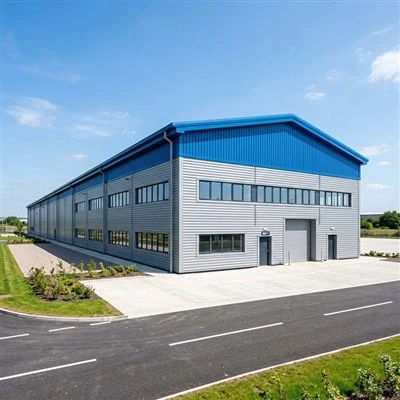
So to sum it up: Yes, some cladding materials are perfect for earthquake-prone areas, but not all. Ditch the brittle, heavy stuff like ceramic tile and rigid non-flexible fiber cement. Go for lightweight, flexible, seismically tested materials like composite aluminum or engineered CLT. And never skimp on installation—anchors and joint design are just as important as the material itself. If you’re not sure what’s right for your project, hit us up. We’re here to answer your questions, walk you through your options, and make sure you pick a cladding that keeps your building safe, looks great, and stands up to whatever the earth throws at it.
Steel Fabrication Building Now, for the references, since this is a factual post:
- Pacific Earthquake Engineering Research Center (PEER). (2021). Seismic Performance of Engineered Wood Cladding Systems. University of California, Berkeley.
- International Code Council Evaluation Service (ICC ES). (2022). Seismic Cladding Material Rating Standards, Report No. ESR-2567.
- U.S. Geological Survey (USGS). (2019). Seismic Damage to Exterior Cladding in Puerto Rico Earthquakes. USGS Open-File Report 2019-1052.
- Turkey Disaster and Emergency Management Authority (AFAD). (2023). Post-Earthquake Building Performance Report, Southern Türkiye.
Shenyang Huaying Weiye Steel Structure Co., Ltd.
Shenyang Huaying Weiye Steel Structure Co., Ltd. is one of the most professional cladding materials manufacturers and suppliers in China, featured by quality products and good price. Please rest assured to wholesale CE approved cladding materials made in China here and get quotation from our factory. We also accept customized orders.
Address: Shenyang Huaying Weiye Steel Structure Co., Ltd., Hongxing Road, Yuhong District, Shenyang City, Liaoning Province, China.
E-mail: syhywy.ss@gmail.com
WebSite: https://www.steelstructurehy.com/
