If you’ve ever worked with gear motors in industrial machinery, automotive systems, or even conveyor belts at a warehouse, you’ve probably heard the phrase “thermal overload” thrown around—but if you’re new to being a gear motor buyer, it can feel like a vague, intimidating term that only electrical engineers fully understand. As a gear motor supplier who’s talked to hundreds of factory managers, maintenance techs, and small business owners over the past decade, I’ve seen first-hand how misconfusing thermal overload can lead to unnecessary downtime, wasted money, and even permanent damage to your equipment. Today, let’s break down exactly what a gear motor thermal overload is, why it matters, and how it impacts your operations. Gear Motor
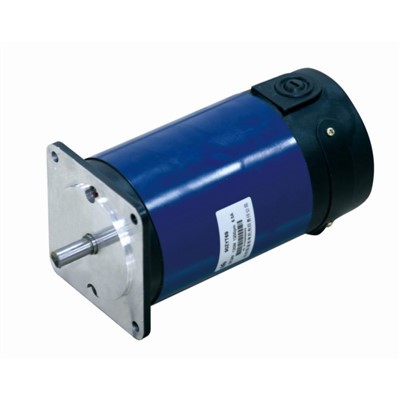
First, let’s start with the basics: a gear motor is a combination of an electric motor and a gear reducer, designed to lower the speed of the motor’s output shaft while increasing torque. That combo makes them ideal for tasks that need reliable, low-speed power—think food processing lines, packaging equipment, material handling conveyors, or even garage door operators. Like every electric motor, though, gear motors generate heat when they run. A small amount of heat is normal; it’s a byproduct of electrical resistance in the motor’s windings, friction in the gear reducer, and the energy it uses to do work. Thermal overload happens when that heat builds up faster than the gear motor can dissipate it, pushing the internal temperature beyond the safe limit the manufacturer designed for.
Let’s make that concrete. A typical 1/2 HP parallel shaft gear motor, for example, has a maximum continuous operating temperature of around 105°C (221°F) for its motor windings—exceeding that can melt the insulation on the copper wires inside the motor, corrode internal components, or even cause a fire. When the temperature crosses that threshold, the thermal overload protection (a built-in or external component that trips to shut the motor off) activates to prevent permanent damage. That’s not a flaw—it’s a safety feature. But here’s where confusion sets in: thermal overload is different from regular electrical overload, like when a power surge or a short circuit sends too much current through the motor windings. Electrical overload is a one-time, often sudden event that creates heat almost instantly; thermal overload is a gradual build-up over minutes, hours, or even days, from repeated small stressors that add up.
As a supplier, I see two main types of thermal overload that cause the most problems for customers: ambient-related overload and load-related overload. Ambient overload is the easiest to spot, though it’s often the most overlooked. If you run a gear motor in an environment with poor ventilation, high temperatures, or lots of dust that clogs the heat vents on the motor’s housing, the motor can’t cool itself properly. For example, a customer of mine last year ran a series of gear motors for conveyor systems in a tightly enclosed outdoor storage shed in Arizona, where summer midday temperatures regularly hit 110°F. The motors’ built-in thermal protectors were tripping every 45 minutes, even though the actual load on the motors was well under their rated capacity. Once we installed small vent fans to circulate air around the motors and raised them off the concrete shed floor (which was radiating extra heat), the thermal overload issues stopped completely. That’s a classic case of heat buildup from the environment, not the motor itself.
Load-related thermal overload is the other, more common type—and the one that costs companies the most money in downtime. This happens when the gear motor is asked to do more work than its rated torque capacity, leading to excess current draw and extra heat. Let’s say you have a gear motor rated for 100 lb-ft of torque, driving a conveyor that moves a load that suddenly jumps to 150 lb-ft because of a misaligned belt, a stuck roller, or overloaded materials. The motor has to work harder to move that extra weight, which increases the current through its windings. More current means more heat, and if that load stays high long enough, the temperature climbs past the safe limit. Unlike ambient overload, this type of thermal overload is often tied to your application’s daily operations. For instance, a small packaging company I supply had a gear motor driving their carton sealer that kept tripping thermal overload every time they ran a full pallet of heavy boxes. We tested the motor’s actual torque demand and found the sealer was pulling 120 lb-ft—20% over the motor’s rated 100 lb-ft capacity. Switching to a 150 lb-ft gear motor that matched the actual load stopped the trips entirely.
Now, why does thermal overload matter for your operations, beyond just the inconvenience of a tripping motor? First, repeated thermal overload shortens the lifespan of your gear motor. Every time the motor’s windings heat up beyond their insulation rating, that insulation breaks down a little faster. Over time, even if you reset the thermal protector every time it trips, you’ll end up with a motor that fails prematurely, often in the middle of a production run. Second, unaddressed thermal overload can create safety hazards. If the thermal protector itself fails, the overheated motor can ignite dust, plastic, or other flammable materials nearby—something that’s a major risk in food processing, woodworking, or manufacturing facilities with high levels of airborne debris. Third, thermal overload often gets lumped in with other electrical issues, leading to incorrect repairs. I’ve had customers come to me after replacing a thermal protector or rewiring a motor, only to find the root cause was a misaligned conveyor belt or a poorly ventilated motor location. That wastes time and money on fixes that don’t solve the actual problem.
So, how can you prevent thermal overload in your gear motors? From my experience working with clients, there are four key steps that make the biggest difference. First, match the gear motor’s rating to your actual application load—not just the nameplate “max” rating, but the peak load your equipment will see during operation. Many customers buy a gear motor with a safety margin, but if that margin is too small, or if the application’s load is higher than expected, you’ll end up with overload issues. A reputable supplier should help you calculate your required torque, speed, and duty cycle to pick the right motor. Second, make sure your motor has proper ventilation and is installed in a suitable location. If your motors are in enclosed spaces, near heat sources, or covered in dust, add vent fans, install heat shields, or clean the motors regularly. Third, perform regular maintenance checks. Every quarter, inspect your gear reducers for lubrication issues (old, dirty lubricant increases friction and heat), check for misaligned shafts or worn bearings that add extra load, and test your thermal protectors to make sure they’re working correctly. Fourth, monitor your motor’s performance if you run equipment with variable loads. Many modern gear motors come with thermal sensors or remote monitoring tools that alert you when temperatures start to climb before the overload trips—this lets you address issues like a stuck roller or overloaded materials before they cause downtime.
I also want to clarify a common myth I hear all the time: “If my gear motor trips thermal overload often, I just need a bigger motor.” That’s not always true. Sometimes a bigger motor is the right fix, but other times, the problem is in your application setup, not the motor size. For example, a customer recently tried swapping a 1/2 HP motor for a 3/4 HP motor to fix thermal overload on a conveyor, but the trips kept happening. We eventually discovered the conveyor’s belt was too tight, adding extra load, and the storage shed the motor was in had no ventilation. Loosening the belt and adding a small fan fixed the issue, and the original 1/2 HP motor worked perfectly. Buying a larger motor would have been a costly mistake—wasting money on a motor that’s bigger than needed, and not solving the root problem. If you’re dealing with frequent thermal overload, talk to your supplier about doing a load test to find exactly what’s causing the issue, instead of jumping to upgrade the motor.
As a gear motor supplier, my goal isn’t just to sell a motor—it’s to help customers avoid the headaches that come with thermal overload. I’ve seen too many companies lose thousands of dollars in production time because they didn’t understand what causes thermal overload, or how to prevent it. Whether you’re managing a small workshop with a few gear motors, or a large manufacturing facility with dozens of units, taking the time to match your motor to your load, check ventilation, and perform regular maintenance will save you money and keep your operations running smoothly.
If you’re currently dealing with thermal overload issues, or you’re not sure what size or type of gear motor is right for your application, I’m here to help. We work with businesses across industries to assess their needs, recommend the right equipment, and provide guidance on preventing common issues like thermal overload. To discuss your specific requirements, reach out to our team to connect and find a solution that fits your operations.
Brushless Motor References:
- Electrical Apparatus Service Association. Motor Installation, Operation, and Maintenance Guidelines. EASA, 2021.
- American National Standards Institute. Standard for Electric Motors and Generators, ANSI/NEMA MG 1-2022.
- Gear Manufacturers Association. Gear Motor Design and Application Handbook. GMA, 2020.
Zibo Auric Mechanical and Electrical Technology Co., Ltd.
As one of the leading gear motor manufacturers and suppliers in China, we warmly welcome you to buy advanced gear motor for sale here from our factory. All customized motors are with high quality and competitive price.
Address: B419, High-tech Entrepreneurship Park, High-tech Zone, Zibo City
E-mail: cui@auricmotor.com
WebSite: https://www.auricmotor.com/
