If you’ve ever popped open the dashboard of a car, the back of a desktop computer, or the control panel of a commercial appliance, you’ve probably spotted what looks like a tightly bundled set of wires, connectors, and tape. That’s a cable harness assembly, and as a supplier who’s been working with these components for over a decade, I can tell you they’re the unsung heroes of almost every electronic or electrical system that powers modern life. Most people don’t stop to think about how these assemblies are engineered to fit specific uses, but that’s exactly why they’re not one-size-fits-all. Over the years, I’ve helped clients ranging from small automotive repair shops to large aerospace manufacturers source the right harnesses for their projects, and I’ve learned that understanding the common types of cable harness assemblies is critical to making the right choice—whether you’re designing a new product, repairing existing equipment, or scaling production for a large order. Cable Harness Assemblies
Let’s start with the most recognizable and widely used type: automotive cable harnesses. If you’ve spent any time in the auto industry, you know these are non-negotiable. Every passenger car, truck, electric vehicle, and even heavy-duty construction vehicle relies on a complex web of these assemblies to power everything from the headlights and infotainment system to the engine control unit, anti-lock braking system, and dashboard sensors. What makes automotive harnesses unique is their need to withstand extreme conditions: constant vibration from the road, temperature swings from sweltering summers to freezing winters, exposure to moisture, oil, dust, and even road salt. As a supplier, we build these harnesses using materials like cross-linked polyethylene (XLPE) insulation, which resists heat and chemicals, and we use galvanized steel or nickel-plated connectors to prevent corrosion. I remember working with a client a few years back who was launching a line of electric delivery vans; they had a lot of trouble with standard aftermarket harnesses failing within a year due to exposure to the frequent moisture and dirt from urban routes. We redesigned their harnesses with sealed connector housings and extra shielding to protect against electromagnetic interference from the van’s high-voltage battery, and that solved their issue. Automotive harnesses are often split into sub-types too: body harnesses for interior and exterior lighting and accessories, engine harnesses for the powertrain, and chassis harnesses for braking and suspension systems.
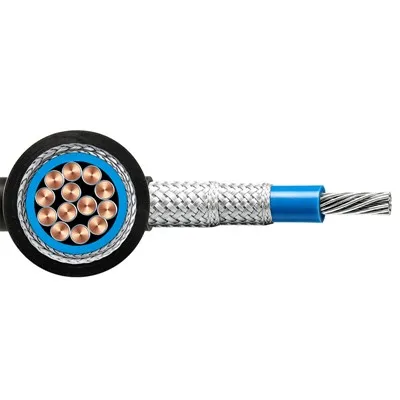
Next up are industrial cable harnesses, which are built for the harsh environments of factories, manufacturing plants, and heavy machinery. Unlike automotive harnesses, which prioritize compactness to fit tight dashboard spaces, industrial harnesses are designed for durability and flexibility in settings where they might be dragged across concrete, exposed to industrial chemicals, or bent repeatedly as machinery moves during operation. We supply these harnesses for everything from conveyor belt systems and robotic arms to HVAC control units and packaging equipment. A key feature of industrial harnesses is their shielding—most are either braided copper shielded or foil shielded to protect against electrical noise from other machinery, which can cause malfunctions in sensitive sensors and control systems. I once worked with a food processing plant that was having issues with their packaging line’s sensor harnesses failing because of constant exposure to high-pressure washdowns used to clean equipment. We switched them to harnesses with PVC jackets that are resistant to food-grade cleaners and added strain relief at every connector, and those harnesses have lasted three times longer than their previous ones. Industrial harnesses also vary by voltage: low-voltage harnesses for control signals and high-voltage harnesses for powering large motors, so choosing the right insulation thickness and material is non-negotiable here.
Moving to a space that’s close to most of our daily lives, even when we don’t see it: consumer electronics cable harnesses. These are the harnesses inside everything from smartphones and laptops to televisions, gaming consoles, and home appliances like refrigerators and washing machines. What sets consumer electronics harnesses apart is their need for extreme compactness and precision, since they have to fit into small, slim devices without adding bulk. They use thin, lightweight wires, often with polyvinyl chloride (PVC) or thermoplastic elastomer (TPE) insulation, and small, molded connectors that are easy to assemble during mass production. As a supplier, we work with a lot of consumer electronics brands that need high-volume harnesses with consistent quality, because a single faulty harness can ruin an entire batch of laptops or smart devices. I remember during the early days of smartwatches, a client reached out to us because their original harness supplier was struggling to make harnesses small enough to fit into the watch’s slim case without breaking. We developed custom micro-harnesses using 30-gauge wires and surface-mount connectors, and that allowed their watch design to move from prototype to full production. Consumer electronics harnesses also have to be cost-effective, since these products are mass-produced at low profit margins, so efficiency in manufacturing is key.
Another type that’s less visible but absolutely critical is aerospace and defense cable harnesses. These are built for environments where failure is not an option—think commercial airplanes, military jets, satellites, and defense systems like radar or missile guidance systems. Aerospace harnesses have to meet some of the strictest industry standards in the world; for example, we adhere to AS50881, the Aerospace Standard for wire harnessing, which covers everything from wire selection to testing procedures. These harnesses use special materials like polytetrafluoroethylene (PTFE) insulation, which can withstand extreme temperatures ranging from -65°C to 260°C, and connectors made of lightweight, corrosion-resistant metals like titanium or aluminum. They also use extensive shielding to protect against electromagnetic interference (EMI) and radio frequency interference (RFI), which is critical because a signal disruption in an aircraft or satellite can have catastrophic consequences. I’ve had the privilege of working on several aerospace projects over the years, including harnesses for a regional jet’s in-flight entertainment system and a military drone’s navigation controls. One of the biggest challenges with aerospace harnesses is traceability—every wire, connector, and component has to be documented from raw material to finished product, so we keep detailed records for every batch we make, which is required by regulatory bodies like the Federal Aviation Administration (FAA).
Medical cable harnesses are another specialized type, designed for use in healthcare settings where reliability and safety are paramount. These harnesses go inside everything from MRI machines and X-ray equipment to patient monitors, surgical robots, and even portable medical devices like glucose meters and portable defibrillators. Medical harnesses have to meet strict standards like ISO 13485, which covers medical device quality management systems, and they often use materials that are biocompatible, meaning they’re safe for contact with human tissue if the harness is part of an implantable device or a device that comes into contact with patients. They also have to be easy to clean and sterilized, so we use jackets that resist chemicals used in hospital disinfectants and autoclaving. A client I worked with a few years back was developing a new portable heart monitor for home use; their original harness was too stiff, making the device uncomfortable for patients to wear for long periods. We switched them to flexible TPE insulation and added strain relief to reduce bending fatigue, which made the harness more comfortable and less likely to fail with regular use. Medical harnesses also need to be highly accurate, since they often transmit critical patient data, so consistent conductivity and minimal signal loss are non-negotiable.
Last but not least, we have specialty cable harnesses, which cover a wide range of custom applications that don’t fit into the other categories. This can include harnesses for renewable energy systems like solar panels and wind turbines, marine equipment like boats and ships, data centers, and even custom robotics for small businesses. For example, solar panel harnesses have to withstand years of exposure to UV radiation and outdoor weather, so we use UV-stabilized insulation and waterproof connectors. Marine harnesses have to resist saltwater corrosion, so we use tin-plated copper wires and sealed connectors. Data center harnesses need to transmit high-speed data without signal loss, so we use high-quality twisted pair or fiber optic components and add extra shielding to reduce interference. I recently worked with a small robotics startup that was building custom robots for warehouse order picking; they needed a harness that could handle frequent movement and high-speed data transfer between the robot’s sensors and control system. We designed a custom specialty harness with braided shielding, flexible PVC jacket, and custom connectors that fit their exact mounting requirements, and it’s worked perfectly for their production line. The great thing about specialty harnesses is that they’re tailored to the unique needs of each project, which is why I enjoy working on them so much—there’s always a new challenge to solve.
Now that we’ve covered the common types of cable harness assemblies, you can see why choosing the right one isn’t just about picking a bundle of wires. It’s about understanding the environment the harness will operate in, the requirements for durability, voltage, signal integrity, and safety, and matching that to a harness type that meets all those needs. As a supplier, I’ve learned that the best harness isn’t always the most expensive one—it’s the one that’s engineered specifically for your use case, with materials and design features that address your unique challenges. Whether you’re a large automotive manufacturer needing thousands of identical harnesses, a medical device startup with a prototype that needs a custom solution, or a marine repair shop needing a replacement harness for a fishing boat, having a clear understanding of the common harness types will help you communicate your needs to your supplier and ensure you get a product that works.
If you’re working on a project that needs high-quality, reliable cable harness assemblies—whether it’s for automotive, industrial, consumer electronics, aerospace, medical, or a specialty application—I’d be happy to sit down with you to discuss your requirements. We can talk about your environment, performance needs, budget, and timeline, and help you source or design a harness that fits perfectly. Don’t hesitate to reach out to start a conversation about your next project.
Control Cable Low Voltage References:
- "AS50881: Wire Harnessing, Aerospace Series". SAE International, 2022.
- "ISO 13485: Medical Devices – Quality Management Systems – Requirements for Regulatory Purposes". International Organization for Standardization, 2016.
- "Automotive Wiring Harness Design and Application Guidelines". Society of Automotive Engineers (SAE), 2021.
- "Industrial Cable Harness Standards and Best Practices". National Electrical Manufacturers Association (NEMA), 2020.
- "Medical Cable Harness Materials and Performance Requirements". Association for the Advancement of Medical Instrumentation (AAMI), 2019.
Yangzhou Huayu Cable Co., Ltd.
Yangzhou Huayu Cable Co., Ltd. is one of the most professional cable harness assemblies manufacturers and suppliers in China, also supports customized service with low price. Please feel free to wholesale advanced cable harness assemblies made in China here from our factory. Contact us for pricelist.
Address: No.9 Jingang Road, Yangzhou City, Jiangsu Province, China
E-mail: info@huayucabletech.com
WebSite: https://www.huayucabletech.com/
