If you’ve ever worked on a large-scale corrosion control project—whether it’s a bridge, a chemical processing tank, or a offshore wind turbine—you know opened anti-corrosion primer can feel like a puzzle once you break the seal. I’ve been supplying anti-corrosion primers for 12 years now, and I can’t tell you how many times I’ve gotten calls from clients who bought a 5-gallon pail of our epoxy primer, used half of it, and came back three months later wondering why the rest had turned into a thick, unusable gel. That’s not a failure of the product; it’s usually a failure of storage. Opened anti-corrosion primer is not like a bottle of water you leave on the counter—its chemistry is sensitive, and missteps can ruin perfectly good material, waste your budget, and set your project back. In this post, I’ll walk you through exactly how to store opened anti-corrosion primer the right way, drawing on everything I’ve learned from field calls, lab tests, and working side-by-side with coating applicators across the country. Anti-corrosion Primer

First, let’s get one basic fact straight: anti-corrosion primers, especially the high-performance ones we supply (like our two-part epoxy and zinc-rich primers), are formulated with specific binders, solvents, and inhibitors that break down when exposed to the wrong conditions. The second you pop the lid, you let in variables that don’t exist in an unopened, sealed pail: moisture, oxygen, temperature swings, and even stray dust or contaminants. Each of these can trigger premature curing, which is what turns a liquid primer into a solid block before you can use it. I once had a client in Texas who stored their opened primer on a warehouse floor next to a loading dock; overnight humidity seeped into the pail, and by the time they tried to use it a week later, the mixture was lumpy and impossible to spray. That’s a mistake I see far too often, and it’s entirely avoidable.
Let’s start with the first rule of storage: re-seal the container immediately after every use. This sounds simple, but you’d be surprised how many applicators leave the lid off while they mix the primer, wipe their brush, or answer a text. For metal pails, make sure the rubber gasket inside the lid is intact—if it’s cracked or missing, replace it before you put the lid back on. Even a tiny gap can let in moisture or oxygen over a few days. For plastic pails, tighten the lid until it’s snug, then wrap a layer of heavy-duty plastic wrap around the rim to create an extra barrier. I recommend this especially for pails that will be stored for more than a week; I keep a roll of food-grade plastic wrap in our warehouse supply closet just for this purpose. I once worked with a crew that skipped this step, and their opened primer went bad in 10 days because of condensation seeping in through a loose lid. Re-sealing isn’t just about keeping the contents inside—it’s about keeping the unwanted stuff outside.
Next, temperature control is non-negotiable. Anti-corrosion primers have a specific “storage temperature range” printed on the product datasheet, and ignoring that range is one of the fastest ways to ruin your material. Most high-quality primers should be stored between 50°F (10°C) and 85°F (29°C)—that’s the sweet spot where the chemical balance stays stable. If the temperature drops below 50°F, the solvents in the primer can thicken, making it hard to mix later, and the binder can become brittle. If it goes above 85°F, the primer can start curing internally, even when it’s still in the pail. I’ve seen primers turn solid as a rock in a pail that sat on a black warehouse roof in Arizona during a 90°F summer day. You don’t need a fancy climate-controlled warehouse to hit this range, but you do need to avoid extreme spots: don’t store opened pails next to heating vents, on concrete floors that get cold in winter, or near windows that let in direct sunlight. If your workspace only has those spots, move the pails to a insulated closet or a temperature-controlled storage bin. I recently started recommending these small, insulated bins to our clients; they’re affordable, and they keep the primer at a consistent temp even if the rest of the space fluctuates.
Moisture is the silent killer of opened anti-corrosion primer. Many primers, especially two-part epoxies, are hygroscopic, meaning they absorb water from the air easily. Even a small amount of moisture can cause the primer to cure prematurely, form bubbles when you apply it, or lose its corrosion-fighting properties. So how do you keep moisture out? First, never store opened primer in a space that’s too humid—if your warehouse has high humidity (above 60%), use a dehumidifier, or place a small, desiccant packet inside the pail before you re-seal it. Wait, a desiccant packet? That’s a trick I learned from a lab technician at our manufacturing plant. Just make sure you put it in a small piece of cloth or a mesh bag so it doesn’t mix into the primer. Also, avoid storing pails on concrete floors—concrete is porous, and moisture can seep up through the bottom of the pail over time. Instead, place the pails on wooden pallets or plastic racks, so there’s a gap between the bottom of the pail and the floor. That small gap can make a huge difference in preventing moisture contamination. One of our long-time clients, a pipeline maintenance company, swears by this; they’ve cut their primer waste by 40% just by adding pallets to their storage area.
Contamination is another big risk for opened primer. Even a tiny bit of dirt, oil, or leftover primer from a previous use can ruin the whole batch. That’s why you should never pour unused primer back into a pail that has leftover residue, and never dip a dirty brush or roller into the main pail. If you have to pour out a small amount of primer for a touch-up job, use a clean, disposable container, and seal the original pail right away. Also, label your pails clearly. When you open a new pail, write the date you opened it on the side, along with any notes about how much you used. Anti-corrosion primers have a “shelf life after opening”—usually 3 to 6 months, depending on the type. If you opened a pail in January and only used a quarter of it, you’ll know to use it by June, not December. I see clients store opened primer for a year or more, and then wonder why it doesn’t work. Checking the datasheet for your specific primer is key; some zinc-rich primers have a shorter shelf life after opening because the zinc particles can settle or oxidize over time.
Wait, what about settling? All primers will settle a bit over time, especially if they’re stored in one place. That’s normal, and it doesn’t mean your primer is bad. But if you don’t mix it properly before use, you’ll end up with a primer that’s too thin or too thick, and it won’t adhere to the surface correctly. When you’re ready to use stored primer, start by gently rolling the pail back and forth on the floor for a few minutes—don’t shake it too hard, because that can introduce bubbles. Then, open the lid and stir slowly with a wooden stick or a paint mixer attachment on a drill, scraping the sides and bottom of the pail to get all the settled particles. If the primer still seems thick, you can add a small amount of the recommended thinner (check the datasheet—don’t use generic thinner!) to adjust the consistency. If it’s lumpy or has a foul smell, that’s a sign it’s gone bad, and you should dispose of it properly. Don’t try to use it on a project—bad primer will lead to poor corrosion protection, which is the whole point of using anti-corrosion primer in the first place.
I should also mention a few common mistakes I’ve seen over the years that aren’t obvious. For example, don’t store opened primer in a space with strong fumes, like near a paint mixing area or a chemical storage closet. Fumes can mix with the primer and alter its chemistry. Also, don’t stack opened pails on top of each other—even if they’re closed, the weight can put pressure on the lid, causing gaps that let in air. Finally, if you’re transporting opened primer (say, moving it from a warehouse to a job site), make sure it’s sealed tight and secured so it doesn’t tip over or shift. I once had a client whose truck was rear-ended on the way to a job, and their opened primer spilled all over the bed—wasting $2,000 worth of material and delaying their project by a week. Proper securing is just part of storage, even when you’re moving it.
Now, let’s talk about how this ties into what we do as an anti-corrosion primer supplier. We don’t just sell you a pail of primer and walk away—we provide product datasheets, storage guidelines, and even on-site training for our clients because we know that proper storage is half the battle. We’ve had clients come to us with a bad batch of primer, and after asking a few questions, we find out they stored it in a hot, humid garage for two months. It’s not the primer’s fault, but we still work with them to adjust their storage practices so they don’t have that problem again. That’s why it’s important to reach out when you have questions—whether you’re a first-time buyer or a seasoned applicator, we’re here to help you get the most out of your anti-corrosion primer, reduce waste, and ensure your projects are protected from corrosion for years to come.
If you follow these steps—re-seal immediately, control temperature, keep moisture out, avoid contamination, label clearly, and mix properly before use—you’ll cut your primer waste significantly and ensure every opened pail works as intended. Corrosion is a costly problem, and using the right primer and storing it correctly is one of the best ways to fight it. Opened primer doesn’t have to be a headache; with a little care, it can stay usable for months, saving you money and keeping your projects on track.
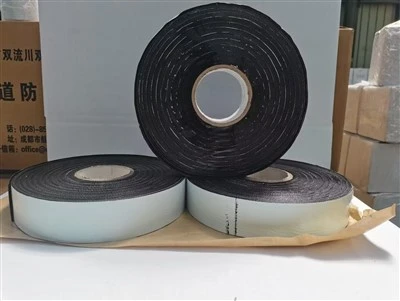
When you’re ready to stock up on high-quality anti-corrosion primer or need more specific storage advice for your products, reach out to our team to discuss your requirements. We offer a range of primers tailored to different applications, and we’re happy to provide custom storage and application guidance to fit your project needs.
Viscoelastic Tape References
- Society for Protective Coatings. (2022). Storage and Handling of Protective Coatings. SSPC Guide 13.
- National Association of Corrosion Engineers. (2021). Guidelines for Proper Coating Storage to Extend Shelf Life. NACE International.
- Dupont Performance Coatings. (2020). Product Datasheet: Two-Part Epoxy Anti-Corrosion Primer. Technical Bulletin DP-456.
Jining Xunda Pipe Coating Materials Co., Ltd.
Jining Xunda Pipe Coating Materials Co., Ltd. is one of the most professional anti-corrosion primer manufacturers and suppliers in China, featured by quality products and good price. Welcome to buy discount anti-corrosion primer in stock here and get pricelist from our factory. Also, customized service and five years warranty are available.
Address: Jibei High-tech Industrial Park, Jining City
E-mail: sales.guo@xundatape.com
WebSite: https://www.xundapipetape.com/
