If you’ve ever stood in a grocery store’s spice aisle, curious about that bag of berry powder you picked up on a whim (or, in my case, because it’s one of our top-selling fruit powders), you’ve probably wondered: can I actually use this to marinate meat? For years, marinades for meat relied on soy sauce, vinegar, or harsh enzyme-based tenderizers—tools that often overpowered natural meat flavor or turned tough cuts mushy if left too long. As a fruit powder supplier, I’ve worked with home cooks, chefs, and BBQ pitmasters over the last five years to refine how these powders work in meat marinades, and the short answer is: no, it’s not just possible—it’s a game-changer, when you match the right fruit powder to the right cut. Fruit Powder

First, let’s break down why fruit powder works at all. Unlike fresh fruit, which has high water content that can dilute marinade flavors or cause uneven coating, fruit powder is dehydrated, concentrated, and shelf-stable, so it infuses meat without sogginess. Most of our powders retain three key compounds that make them great for marinating: natural acids (malic in apples, citric in oranges), enzymes (bromelain in pineapple, actinidain in kiwi), and aromatic oils (from citrus peels, berries). The trick is using each compound for a specific meat need—whether you’re tenderizing a tough cut, cutting through rich fat, or adding a bright, sweet layer that balances savory umami.
Let’s start with tenderizing, because that’s where most people test fruit powder first. Enzymes are the stars here—they break down the collagen and connective tissue that makes cuts like brisket, chuck roast, or skirt steak tough. But not all enzymes work the same. Bromelain, from pineapple powder, is gentle enough for thin cuts like pork tenderloin or salmon, but strong enough to soften thick skirt steak if you marinate for 2 to 4 hours (any longer, and it will turn the meat mushy—trust me, I’ve seen a batch of tacos ruined by marinating skirt steak in pineapple powder for 12 hours). For even tougher cuts, like beef brisket or goat shoulder, we recommend papaya powder, which has actinidain, a slightly stronger enzyme. But here’s a pro tip: mix 2 tablespoons of papaya powder with 1 tablespoon of a mild acid, like apple powder, to slow down enzyme activity. This gives you enough time to marinate brisket overnight (8 to 10 hours) without over-tenderizing—perfect for low-and-slow BBQ. Just last month, a small BBQ joint in Texas switched from using bottled meat tenderizer to our papaya powder, and they told us their brisket was juicier and had a subtle sweet-tart edge customers were raving about.
Next, balancing rich, fatty meats. If you’ve ever taken a bite of a bacon-wrapped tenderloin or a rack of lamb and felt that heavy, cloying fat hit your tongue, fruit powder is your fix. Citrus-based powders—orange, lemon, and grapefruit—are ideal here. Their high citric acid cuts through fat, while their bright, tangy flavor complements savory meat without masking it. For pork belly, which is 60% fat, we mix 3 tablespoons of orange powder with a dash of garlic powder and a splash of soy sauce. The acid in the orange powder breaks down the fat just enough, and the powder’s concentrated flavor seeps into the meat’s lean layers, so every bite is balanced, not greasy. I tested this on my own family’s BBQ last summer, and my dad—who swears by traditional BBQ rubs—asked for the recipe; he even used it on his prime rib for Christmas. For lamb, which has a gamey, rich fat, lemon powder works better than orange. The sharp, zesty acid cuts through the gamey taste, and the powder’s floral notes pair with lamb’s earthiness. A friend who raises sheep told me he uses lemon powder marinate on leg of lamb, and it’s become his go-to for holiday dinners.
Then there’s adding flavor to lean, mild meats that can easily taste bland. Chicken, turkey, and cod are great for fruit powder marinades because they don’t have a strong flavor of their own, so the powder can add depth without overpowering. Berry powders—strawberry, raspberry, and blueberry—are perfect here. They add a sweet, fruity layer that works well with herbs and spices, and their low acid content means they won’t toughen the meat (unlike citrus, which can make chicken rubbery if left too long). For grilled chicken thighs, we recommend mixing 2 tablespoons of strawberry powder with 1 teaspoon of smoked paprika, a dash of honey, and a splash of olive oil. The strawberry powder adds a subtle sweetness, and the smoked paprika gives it a smoky edge—my go-to for weeknight dinners. For turkey breast, which is often dry, we use cranberry powder. The tart-sweet flavor pairs with turkey’s mild taste, and since cranberry powder has a small amount of pectin, it helps lock in moisture while marinating, so the turkey stays juicy when grilled. I’ve also used raspberry powder on cod; a light marinade of 1 tablespoon raspberry powder, a squeeze of lime, and some thyme gives the cod a bright, slightly sweet flavor that tastes like a beachside meal, no fancy ingredients needed.
Wait, but what about processed meats? You might be thinking: can I marinate sausage or bacon with fruit powder? Short answer, yes, but with a twist. Processed meats already have salt, nitrates, and other flavors, so fruit powder works best as a finishing touch, not a marinade. For homemade breakfast sausage, mix 1 tablespoon of apple powder into the ground meat before forming patties. The mild acid cuts through the sausage’s saltiness, and the apple’s subtle sweet flavor adds a complexity that regular sausage doesn’t have. For bacon, instead of marinating, toss cooked bacon in a mix of 1 tablespoon maple powder and a pinch of cinnamon for a sweet, smoky twist—great for salads or BLTs. I worked with a small deli in Oregon last year that started using our cherry powder in their homemade ham, and their cherry-glazed ham became their top-selling item for the holiday season.
Now, let’s talk about what not to do. I’ve seen home cooks make two common mistakes with fruit powder marinades: marinating too long, or using the wrong powder for the cut. As I mentioned earlier, enzymes in pineapple and papaya powder can turn meat mushy if marinated more than 4 hours for thin cuts, or 10 hours for thick cuts. Also, don’t use high-acid powders like lemon or lime on delicate, thin cuts like tilapia or chicken breast for more than 2 hours—their acid can break down the meat’s proteins, making it tough. And don’t use berry powders on very fatty meats like ribeye, unless it’s a small amount as a finishing touch; their low acid won’t cut through the fat, so you’ll just get a sweet, fruit flavor that doesn’t complement the meat.
Here’s a quick cheat sheet to keep handy next time you fire up the grill:
- Tough, thick cuts (brisket, chuck roast, goat shoulder): Papaya powder (mix with apple powder to slow enzymes)
- Fatty meats (pork belly, lamb, bacon): Orange or lemon powder
- Lean, mild meats (chicken thighs, turkey, cod): Strawberry, cranberry, or apple powder
- Thin, delicate cuts (skirt steak, salmon): Pineapple powder (marinate 2-4 hours max)
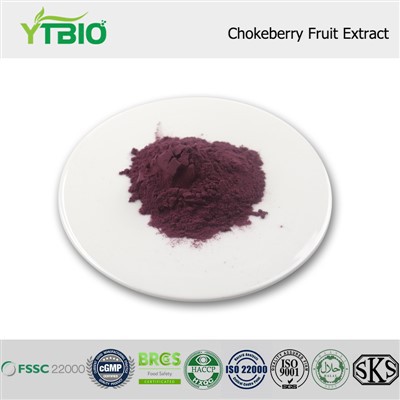
At the end of the day, fruit powder is a versatile tool that’s not just for smoothies and baking. It’s a way to add natural flavor to meat marinades, cut through richness, and tenderize without harsh chemicals. As a fruit powder supplier, I’ve seen first-hand how it can turn a regular weeknight dinner into something special, or elevate a BBQ to a neighborhood favorite. If you’re a home cook looking to try something new, or a chef wanting to add a unique flavor to your menu, we can help you pick the right fruit powder for your needs. Don’t hesitate to reach out to discuss your meat and flavor preferences, and we’ll work with you to find the perfect blend.
Functional Cosmetics Raw Materials References:
- USDA FoodData Central. (2023). Nutrient composition of fresh and dehydrated fruits.
- Food and Agriculture Organization of the United Nations. (2022). Enzyme activity in fruit enzymes for meat tenderization.
- Journal of Food Science. (2021). Effects of dehydrated fruit powders on meat flavor and texture.
- USDA. (2020). Marination practices for meat tenderness and palatability.
- Journal of Culinary Science and Technology. (2022). Natural flavor enhancers in meat marinades.
- Food Chemistry. (2021). Citric acid as a fat-mitigating agent in marinated meats.
- International Journal of Food Properties. (2023). Berry powders as flavor additives in lean meat products.
- USDA Food Safety and Inspection Service. (2022). Safe marination times for meat with enzyme-based tenderizers.
Shaanxi Yuantai Biological Technology Co., Ltd.
Shaanxi Yuantai Biological Technology Co., Ltd. is one of the most professional fruit powder manufacturers and suppliers in China, specialized in providing natural plant extracts with competitive price. We warmly welcome you to buy or wholesale bulk fruit powder for sale here from our factory.
Address: NO.1 Plant, China Fnzyme Industrial Park, Economic Development Zone, Weinan City, Shaanxi, China
E-mail: sales@sxytbio.com
WebSite: https://www.sxytbio.com/
