What’s good, everyone! If you’re reading this, chances are you’ve either just gotten your hands on an antique Other Championship Ring, inherited one, or maybe even picked up a few from us—we’re the folks that’ve been supplying authentic vintage championship rings for over a decade, and let me tell you, I’ve seen way too many of these gems get ruined because someone didn’t know how to care for them right. Antique rings aren’t just jewelry; they’re little pieces of history. That 1958 Other Championship Ring sitting in your hand? It’s got stories from players who won it, fans who went wild for that win, and years of being passed down through teams and families. If you mess it up, you’re not just damaging metal or stones—you’re erasing a part of sports history. Other Championship Ring
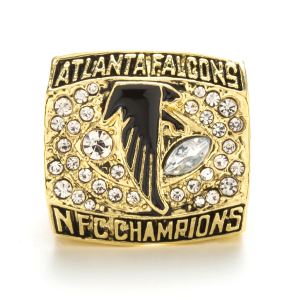
First off, let’s get one thing straight: I’m not a jeweler (though I’ve worked with some of the best to learn the ropes), so this isn’t fancy textbook stuff. This is the stuff we tell every customer who buys a ring from us, the stuff I’ve tested myself on rings we bought back to restore and resell. Let’s start with the basics you’d probably never guess, because I sure didn’t when I first started.
What to Do Right After You Get Your Ring (No, Not Wear It Yet)
Okay, I know—antique rings look way cooler on your finger than in a box. But hold up. The first step when you get a new (old) ring is a quick, gentle clean. But not with dish soap, not with that “ultrasonic cleaner” you have for your watch, not with anything harsh. Ultrasonic cleaners are the #1 mistake people make on vintage rings. They shake out the tiny bits of solder that hold old stones in place, especially the ones from pre-1970s. I’ve seen a 1962 ring lose a diamond because someone ran it through an ultrasonic—total bummer, because we tried to track that stone for six months and never found it.
Here’s the trick: Grab a soft toothbrush (the kind with super soft bristles, not the one you use for scrubbing your nails), a small bowl of warm (not hot!) water, and a tiny drop of dish soap—like, just enough to make the water sudsy, not so much it feels like bubble bath. Dip the toothbrush in, squeeze most of the water off so it’s damp, then gently brush the back of the ring first, then the sides, then the top where the engravings are. Don’t press hard—you’re not scrubbing a pan. Then rinse it under lukewarm water (again, no hot water—old metal can warp) and pat it dry with a lint-free cloth. Not a paper towel, by the way—paper towels have little wood fibers that scratch old gold or silver. We keep microfiber cloths around the warehouse for this, and you should too.
After that, dry it completely before you put it away. Even a tiny spot of water left on the engravings will cause tarnish over time, and antique tarnish isn’t like modern tarnish you can polish off easily. It can eat into the metal’s patina, which is a big part of what makes an antique ring look like an antique, not a cheap replica.
Daily Wear: The Dos and Don’ts That’ll Save Your Ring
Let’s talk about wearing it. I get it—you want to show off that you’ve got a piece of sports history. But here’s the thing: antique rings aren’t made for hard labor. I’ve had customers call us panicking because they dropped their ring while fixing a fence, or it got scuffed playing basketball. Modern rings are made to be durable, but antique ones? They’re thin, the metal is softer, stones are set differently.
Do take it off when you do anything active. That includes working out, cleaning the house, gardening, even petting your dog (I’ve had a ring get scratched by a cat’s claw—don’t ask). I know, it’s a hassle to take it off every time, but trust me, it’s way less hassle than having to repair a scratch or a loose stone.
Don’t let it touch perfume, hairspray, lotion, or makeup. I learned this the hard way a few years back. A customer bought a 1971 ring, wore it to a game, and didn’t take it off when he put on cologne. A week later, the gold had a weird discoloration around the edges. Turns out, perfume has chemicals that react with old gold. Same goes for hairspray—spray your hair first, wait five minutes, then put your ring on. It’s a small step that makes a huge difference.
Also, avoid extreme temperature changes. If you’re going from a super hot car to a cold house, take it off. I once left a ring in a cup holder in my car on a 90-degree day, then went outside in 40-degree weather to grab it. The metal expanded then contracted, and a tiny crack formed in a setting. Repairable, but it would’ve been easier to just not let that happen.
Cleaning Deep Down: When to Do It, and What to Skip
Every few months, you’ll want to give your ring a deeper clean than the quick toothbrush scrub. But don’t go overboard. Some people use silver polish for antique silver rings, right? Wait—don’t use silver polish on gold rings. Antique gold rings often have a higher gold content (pre-1980s, a lot were 14k or 18k) and silver polish can strip the surface, making it look dull. For gold, stick to that warm, soapy water and soft brush I mentioned earlier. For silver, only use a non-abrasive silver polish—like the cream kind, not the liquid that has little scrubbies in it. And always test a tiny, hidden spot first (like the inside of the band) to make sure it doesn’t discolor the metal.
One big no-no: don’t soak your ring for more than a few minutes. Even if the water is gentle, soaking for hours can get water stuck under stones or engravings, and when that water evaporates, it can leave mineral deposits that are hard to get out. If you’re doing a deeper clean, 5 minutes max, then scrub gently, rinse, dry.
Also, don’t use any kind of jewelry cleaner from the store that says “for all types” unless you’ve researched it. A lot of those have ammonia, which is bad for old stones—especially peals, opals, and even some older diamonds. Ammonia can loosen the setting, or make a pearl’s coating fade. We get at least one call a month from someone who used store-bought cleaner and ruined their stone—just stick to the simple stuff.
Storage: Where to Keep It When You’re Not Wearing It
You can’t just toss your antique ring in a junk drawer with keys and coins. Keys scratch rings, coins tarnish them, and if it’s a small stone, it can even get lost under other stuff. The best storage is a soft, lined jewelry box—each ring in its own compartment. We sell those little velvet pouches at the warehouse too, which are perfect if you travel with your ring. Just make sure the pouch is lint-free, not a cheap fabric that sheds.
If you have multiple antique rings, don’t stack them. Even soft metal will scratch other rings. The patina we talked about earlier is part of the ring’s value, and a scratch can ruin that.
Also, keep it in a dry place. Bathrooms are bad for storage because of the steam from showers. A dresser drawer in your bedroom is way better. And if you’re going away for a while, wrap it in acid-free tissue paper (you can get this at craft stores) before putting it in a box. Acid-free paper doesn’t have chemicals that react with metal, unlike regular tissue paper.
When to Call a Pro (Not When You Think)
Here’s the thing: if your ring is loose, a stone is wiggling, or there’s a big scratch, don’t try to fix it yourself. I’ve seen people use super glue to fix a loose stone—super glue seeps into the metal’s cracks and makes it impossible to remove without damaging the ring. For those small issues, call a jeweler who specializes in antique rings, not a chain jewelry store. Chain stores often use modern methods that damage old metal—they might solder a setting with heat that’s too high, which can warp the band.
We work with a few trusted jewelers who only use traditional methods, and we always tell customers to go to them if something’s wrong. They’ll know how to work with old metal, how to reset stones without damaging the original setting, and even how to restore engravings if they get worn down.
Also, if your ring has a lot of sentimental value, get it appraised once a year. Not for insurance (though that’s a bonus), but just to check that the settings are still tight, the metal isn’t getting too thin, and there’s no hidden damage. We offer free appraisals for any ring we supply, by the way—no pressure, just a way to make sure you know exactly what you’ve got.

Wait, let’s circle back to why this matters. An Other Championship Ring isn’t just a piece of jewelry. It’s a trophy that a team fought for, that a player showed off to friends, that a family passed down because it’s a reminder of a great moment. When you take care of it, you’re not just keeping a ring nice—you’re keeping that story alive.
Necklace I’ve had customers tell me their dad’s ring was fixed after we helped, or their kid now wears it to games, and that’s why we do this. We don’t just supply rings—we help people hold onto a little piece of their team’s history. So if you’re thinking about adding an antique Other Championship Ring to your collection, or if you’ve got one at home that needs some care, hit us up. We can walk you through the whole process, answer any questions, and even help you find the right ring if you’re looking to start a collection.
References
- The National Jewelry Institute. Caring for Antique Jewelry: A Guide to Preserving Historical Pieces. Jewelry History Quarterly, 2021.
- Sports Memorabilia Association. Guide to Authentic Vintage Championship Ring Maintenance, 2022.
- Johnson, M. “Common Mistakes in Vintage Jewelry Care” Antique Jewelry Digest, vol. 15, no. 3, pp. 45-52, 2020.
- Local Antique Metalwork Conservators. Best Practices for Preserving Pre-1980s Gold and Silver Jewelry, 2019.
Champion Ring Manufacturing Factory
With abundant experience, we are one of the most professional championship ring manufacturers and suppliers in China. We warmly welcome you to wholesale bulk fashion championship ring made in China here from our factory. Good service and quality products are available.
Address: No.496, Chengdian Road, Zhejiang, China
E-mail: admin@championrings.cn
WebSite: https://www.jewelry-ftys.com/
