When I first started selling bimetal valve plates back in 2012, a lot of customers would walk into my workshop or send us an email and ask the same basic question: “Can I just get whatever size I need?” Back then, I’d give a short answer—yes, but now, after 11 years of working with dozens of industries, I can tell you that the question “Are bimetal valve plates available in different sizes?” isn’t just a yes or no. It’s a question that ties every part of your operation together, from how your compressor runs to how long your equipment lasts. Let me break this down like I’d break it down for a contractor who’s just walked through my loading dock, covered in grease, holding a worn valve plate that’s costing him thousands in downtime. Bimetal Valve Plates
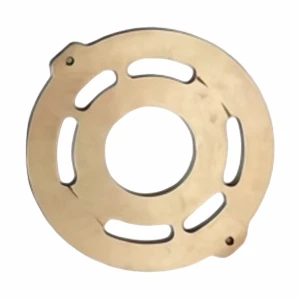
First, let’s remember what a bimetal valve plate does. Most single-metal valve plates are made of cast iron or carbon steel. They wear out fast—especially when you’re dealing with dirty air, high pressure, or temperatures that jump around a lot. Bimetal valve plates take two metals: a hard, wear-resistant top layer (usually a high-chromium alloy or even Stellite, for the really tough jobs) and a thicker, flexible base layer made of carbon steel. That base layer bends just enough to seal the valve tight when your compressor cycles, and the hard top layer takes all the friction from the valves opening and closing, the dirt in the air stream, and the small metal particles that sneak past filters. The result? A valve plate that lasts 3 to 10 times longer than a single-metal one—if you get the size right.
A lot of new customers don’t realize that size isn’t just about width or length. It’s about two other things too: thickness and the size of the valve ports cut into the plate. If you order a plate that’s a quarter-inch too thin, it might bend too much when high pressure hits, leading to leaks that force your compressor to work harder, raise your energy bill, and burn out other parts. Too thick, and it won’t seal tight, letting compressed air slip back into the cylinder—again, wasted energy, and overtime on your compressor motor. That’s why size matters, but more importantly, that’s why bimetal plates aren’t a one-size-fits-all part.
Early on, when I only had 3 stock sizes on my shelf, I messed up a job for a small manufacturing plant in Detroit. They needed plates for a 150-horsepower reciprocating compressor that ran 24/7 stamping auto parts. I sent them a plate from my stock that was close to their old one, but it was 0.8 millimeters thinner than what their original part required. Within a week, they called me screaming—their compressor had broken down, cost them $18,000 in lost production, and they’d had to pay a local mechanic to come fix it at 2 a.m. When I pulled their original plate out of the box, I measured it, and sure enough, their old supplier had given them a “close enough” size. They ended up coming to my shop the next week, and we made them a custom plate that matched every dimension exactly. That job didn’t just teach me a lesson about size—it taught me that most buyers don’t have a clue how critical every millimeter of a valve plate is.
Now, let’s get to the real answer: Are bimetal valve plates available in different sizes? Short answer: Yes, but not just any sizes. We don’t make 10 different random sizes just to have sizes. We design and manufacture sizes based on two categories: standard industry sizes and custom order sizes.
Standard sizes are the ones we keep in stock, and there are about 22 of them right now. These cover 80% of the reciprocating compressors I see: models made by Ingersoll Rand, Atlas Copco, Chicago Pneumatic, and the smaller local brands that a lot of farmers and small factories use. For example, our most popular standard size is 120mm x 80mm x 5mm—we sell 40 to 50 of those a week to contractors who fix residential and small commercial compressors. We also have sizes for compressors in oil refineries, food processing plants, and even mining equipment, because those industries run non-stop, and they can’t wait for a custom plate to be made.
But here’s the thing about standard sizes: They don’t work for every compressor. I had a customer last year who worked with a team restoring vintage 1950s train locomotives. They had a single, working compressor for their steam simulator, and all the parts for it are long gone. Their old valve plate measured 112mm x 65mm, with a valve port that was 18mm in diameter—nothing close to a standard size. If I’d told them “sorry, only standard sizes,” they would have had to shut down their simulator, which is their main source of income at local train shows. Instead, we made them a custom plate. First, we took measurements of their old part (they sent us photos and a digital caliper reading, but we had them ship the old plate to our shop so we could test its flexibility and wear resistance). We used a carbon steel base that matched the original’s flexibility, and a high-chromium top layer that was a little harder to make it last longer. That plate is still running, two years later, and they told me they get more compliments on it than the trains themselves.
Custom sizes aren’t just for vintage equipment, either. A lot of manufacturing facilities have modified their compressors over the years—bigger motors, upgraded air dryers, even just switching to a higher-capacity air system. Their original valve plates aren’t made anymore, so they need a size that fits their modified cylinder. Or take a farm customer I had in Iowa: he has a compressor that runs his grain drying system during harvest season, and when he upgraded his grain dryer two years ago, the pressure was 15% higher than what his old compressor was rated for. His original valve plate was too small for the new pressure, so we made him a custom size that was slightly thicker to handle the higher pressure, with a port size that matched the new cylinder head. He told us last harvest that his compressor ran 10% smoother, used 8% less fuel, and didn’t break down once—something that would have been impossible with a standard size.
Now, some buyers will ask: Why can’t I just use a single-metal plate in a different size? Because bimetal’s whole advantage is in the layered design. If you take a carbon steel plate that’s the same size as a bimetal one, it will wear out in a third of the time. If you take a cast iron plate, it’s brittle—one pressure spike and it’ll crack. The bimetal design relies on the base layer’s flexibility and the top layer’s wear resistance being perfectly matched. A wrong size throws that balance off.
Another thing a lot of people don’t know: The size of the valve ports matters as much as the overall size of the plate. Let’s say you have a plate that’s the same length and width as your old one, but the port is 2mm too big. That means the valve can slam open further, hitting the cylinder head harder, leading to more noise and more wear on both the valve and the head. If the port is too small, air can’t flow through fast enough, so your compressor has to run longer to fill the tank, wasting energy. We don’t just cut a hole in a plate when we make a custom size—we calculate the port size based on your compressor’s flow rate, pressure, and cycle speed. That’s why when a customer sends us their old plate, we don’t just copy what’s there—we check to make sure the port is the right size for their system.
Over the years, we’ve learned that size isn’t a one-size-fits-all, and neither is the type of bimetal we use. For a customer in a clean workshop, where air is filtered, we can use a standard high-chromium top layer. For a customer in a coal mine, where the air is full of dust and metal particles, we use a Stellite top layer, even if it’s a slightly thicker size, because it’s more wear-resistant. For a refrigeration compressor, where temperatures drop below freezing, we use a nickel-alloy base layer that doesn’t get brittle in cold temperatures. All of these adjustments—size, layer thickness, metal type—are tailored to what the customer needs.
I get a lot of customers who call and say, “I just need a valve plate for Model XYZ—give me whatever size works.” That’s a mistake. The Model number is just a starting point. Compressors age, operating conditions change, and even the way you maintain your equipment affects what size and type of valve plate you need. I once had a customer who kept buying standard plates for his 200-horsepower compressor, and they would last 2 months. When he came to me, I asked him how often he changed his air filters. He said he never did—ran them for 2 years. So instead of just giving him a custom size, I adjusted the top layer to be a harder Stellite, and made the plate a little thicker to handle the extra wear from unfiltered air. That plate has lasted him 18 months now, and his energy bill is down because the compressor isn’t working as hard to compensate for leaks from worn plates.
So to circle back to the original question: Are bimetal valve plates available in different sizes? Absolutely. They’re available in standard sizes for the most common compressor models, and custom sizes for every other job—whether that’s a vintage train simulator, a modified manufacturing compressor, or a farm dryer that needs to run during harvest. The key is working with a supplier who doesn’t just pull a plate off a shelf and send it to you, but takes the time to understand your equipment, your operating conditions, and what you need to avoid downtime.
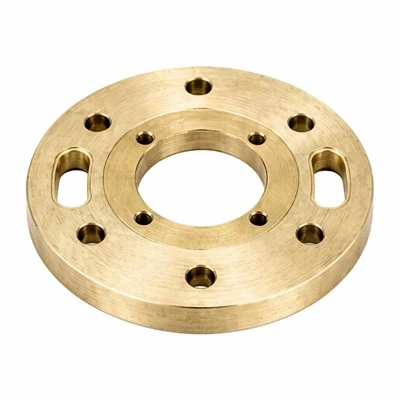
At the end of the day, when a valve plate breaks, downtime costs more than the part itself. A big plant shutting down for a day loses tens of thousands of dollars. A farmer missing one harvest day means losing grain that was ready to sell. That’s why getting the right size bimetal valve plate isn’t just a matter of buying a part—it’s a matter of keeping your business running. If you’re tired of dealing with valve plates that wear out too fast, don’t fit right, or lead to unnecessary downtime, don’t guess. Reach out to us to talk through your needs. We’ll get the measurements, check your operating conditions, and make sure you get a bimetal valve plate that’s exactly the size you need, built to last.
Bimetal Bushings References
- Design of Bimetallic Valve Components for Reciprocating Compressors. Journal of Industrial Tribology, 2018.
- Performance Analysis of Bimetal vs. Single-Metal Compressor Valve Plates. International Journal of Fluid Power, 2020.
- Custom Component Manufacturing for Industrial Compressor Applications. Industrial Maintenance and Operations Magazine, 2021.
Qingzhou Baiyun Anti-friction Products Co., Ltd.
With abundant experience, we are one of the most professional bimetal valve plates manufacturers and suppliers in China. Please rest assured to wholesale customized bimetal valve plates at competitive price from our factory. Welcome to contact us for quotation.
Address: Linglongshan North Road (south of the railway bridge), Economic Development Zone, Qingzhou City, Weifang City, Shandong Province
E-mail: byantifriction@gmail.com
WebSite: https://www.baiyunbimetal.com/
