Hey everyone, let’s cut through the noise here. As an API supplier, I get a ton of questions lately that go something like: “Wait, your Active Pharmaceutical Ingredients—are those even used in herbal drugs? I thought herbs were all natural, no lab stuff?” Sound familiar? Yeah, it’s a super common mix-up, and honestly, it’s one of the reasons I love breaking this down straight with folks instead of hiding behind jargon. Let’s dive in, no boring textbook stuff, just real talk. Active Pharmaceutical Ingredients
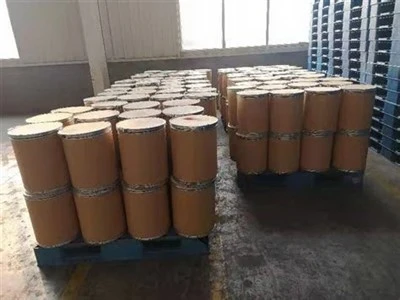
First off, let’s clarify what we’re actually talking about here, ‘cause “herbal drugs” and “APIs” get misrepresented all the time. When people hear “herbal,” they picture dried leaves from a garden, right? Like steeping chamomile for tea or crushing echinacea for a tincture. But herbal drugs aren’t just random plant stuff you dig up in your backyard—they’re regulated products (in most countries, anyway) meant for therapeutic use. And APIs? Those are the actual active compounds that do the heavy lifting in any drug, whether it’s a synthetic pill or something derived from nature. The key here is that a lot of people think APIs only come from chem labs, but half the time, they’re isolated from plants too—yep, same plants used in herbal drugs. That’s where the overlap happens, and that’s where I come in as an API supplier bridging the two worlds.
Let’s start with how the process works, ‘cause it’s not just “pull a compound out and call it a day.” If you’ve ever seen an herbal supplement label that says “standardized extract,” that’s your first clue. Let’s take something super common: ginseng. Everyone uses it for energy and focus, right? The traditional way is to steep the root into a tea, but the actual compound that does the mood-boosting? Ginsenosides. When herbal drug manufacturers make a standardized ginseng product, they don’t just dump a bunch of ground root into a capsule—they isolate those ginsenosides, purify them, and that pure, isolated ginsenoside is an API. Wait, why would they do that instead of just using the whole herb? Let’s be real: a lot of whole herbal materials are inconsistent. One batch of ginseng root might have way more ginsenosides than another, depending on where it was grown, when it was harvested, even the weather that year. That’s a problem for a drug—patients need the same dose every single time, no surprises. So isolating the active compound into an API gives them that consistency. That’s where my team comes in: we source the plant material, extract the ginsenosides, purify them to meet strict safety standards, and sell that pure API to the herbal drug makers. No tricks, just making sure their product works the same way every time.
Another big example: artemisinin, used for malaria. Wait, malaria’s not something people usually link to “herbal,” but artemisinin comes from sweet wormwood, a herb that’s been used in traditional Chinese medicine for over 2,000 years. Back in the 70s, scientists figured out that the plant had a compound that kills malaria parasites, and that’s artemisinin—today, it’s a frontline API for malaria treatment, and a huge part of modern herbal drug-based therapies for the disease. But here’s the thing: a lot of low-resource areas still use raw sweet wormwood tea for malaria, but that’s risky. The tea has super inconsistent levels of artemisinin—sometimes too little to work, sometimes too much and harmful. By turning that herb’s active compound into a standardized API, we can make malaria treatments that are safe, effective, and reliable. As an API supplier, we work with organizations that supply those artemisinin APIs to herbal drug manufacturers that make the traditional-based malaria meds, blending ancient knowledge with modern science. That’s the cool part about this space—we’re not replacing herbs, we’re making them work better.
Wait, but let’s not pretend it’s all ancient herbs. A lot of modern herbal drugs use APIs that are synthetic versions of plant compounds, too. Take aspirin, for example. The original source is willow bark, which has salicin, a compound that reduces pain and fever. For centuries, people chewed on willow bark for headaches, but salicin was hard to get consistently and could upset stomachs. Chemists figured out how to make a synthetic version of salicin, which we call acetylsalicylic acid—better known as aspirin, the API in those white pills. But you’ll still see willow bark in some over-the-counter herbal pain relievers, and a lot of those products actually use a mix of the whole herb and the synthetic salicin API to balance traditional use with consistent relief. As an API supplier, we’ve talked to a bunch of small herbal drug brands that do this—they keep the “natural herb” on the label to honor their roots, but add in the salicin API so customers get reliable pain relief instead of guessing if the willow bark they bought is potent enough.
Now, let’s get into why this matters so much for safety and regulation, ‘cause that’s the part no one talks about enough. Herbal drugs have a reputation for being “safer” because they’re natural, but that’s not always true. If you use unstandardized whole herbs, you can get too much or too little of the active compound, or even toxic byproducts. Take comfrey, for example—old herbalists used it for joint pain, but it has a compound called pyrrolizidine alkaloids (PAs) that can damage your liver in high doses. If a manufacturer uses whole comfrey root without testing, their product might have way more PAs than it should, even if the pain-relieving allantoin is there in the right amount. As an API supplier, when we work with herbal drug makers, we don’t just supply the good active compounds—we also help them test for unwanted stuff. We can isolate allantoin as a pure API, which lets the manufacturer make a product that has exactly the amount of the pain-fighting compound, and then they can remove the toxic PAs during processing. That’s a win-win: they get to keep using comfrey (a traditional herb), their product is safe, and patients don’t have to worry about liver damage.
Here’s another thing I wish more people understood: when we talk about APIs in herbal drugs, it’s not just about prescription meds. A lot of OTC (over-the-counter) herbal products use APIs too. Let’s say you’re at the drugstore and see an herbal sleep aid that says “valerian root extract.” The label might say it has 500mg of valerian root, but the actual active compound that makes you sleepy is valerenic acid. If the product is standardized, that 500mg of root translates to a specific amount of valerenic acid API—usually around 0.8 to 1.0 percent. That means every pill has the same dose of the sleep-inducing compound, so you don’t take two pills and feel nothing, or take one and pass out for 12 hours. I’ve had so many herbal sleep aid startups hit me up because they can’t get consistent results from just grinding valerian root—they need that pure valerenic acid API to make their product stand out. That’s exactly what we do: we partner with small brands and big pharma alike to source, extract, and purify those plant-based APIs, so their herbal products actually work as advertised.
But let’s be real, there are myths we have to bust here. Some people think adding an API to an herbal drug is “cheating” or makes it less natural. I get that—if you care about using plants, it feels like going against the grain. But here’s the reality: when you use a whole herb, you’re getting a mix of compounds, some good, some bad, some inactive. The API is just the part that’s actually doing the therapeutic work. It’s like making coffee: the whole coffee bean has oils, acids, caffeine, and all sorts of stuff, but the compound that makes you alert is caffeine. You could drink a whole bean, but it’s not as consistent or as easy to control as a cup of coffee, or a pill with pure caffeine (though I wouldn’t recommend that for everyday use). It’s the same idea with herbal drugs. The API is the specific, tested compound that gives the product its effect, while still being rooted in the original herb’s benefits.
Another myth: all APIs are synthetic. Nope, that’s the big one I mentioned earlier. Half the plant-based APIs we supply come straight from herbs—we don’t just make stuff in a lab. We work with small farms all over the world that grow ginseng, artemisia, valerian, and other medicinal herbs using sustainable practices. We harvest them at the exact right time, when the active compounds are at their peak, then we use gentle extraction methods (no harsh chemicals) to pull out the pure API, then test it to make sure it meets USP (United States Pharmacopeia) or EP (European Pharmacopoeia) standards. That’s important because those standards mean the API is safe, consistent, and effective. We don’t cut corners here—our team checks every batch from farm to final product, so when a herbal drug maker buys our API, they know exactly what they’re getting.
Wait, let’s talk about a recent example to make this tangible. A couple years back, we worked with a herbal drug company to launch a new arthritis product. They wanted to use turmeric, which has been used for inflammation for thousands of years. The problem was, whole turmeric extract had super low bioavailability—meaning your body barely absorbs the active compound, curcumin, from it. So people would take the recommended dose and still feel stiff and sore. We supplied them with a curcumin API that’s been enhanced to be more bioavailable, and we helped them standardize the dose so every pill has 50mg of pure, absorbable curcumin. The product launched last year, and their sales blew up because it works—people who’d tried other turmeric-based products said this one actually reduced their joint pain. That’s the power of API in herbal drugs: it takes a traditional remedy and makes it work better, without losing the plant’s roots.
Now, let’s address why this is more important than ever. People are shifting back to natural remedies, but they still want products they can trust. A survey I read last year said 70% of consumers would buy an herbal drug that has consistent, tested ingredients over one that’s just “100% natural” with no labeling on doses. That’s exactly where we come in as an API supplier. We bridge the gap between traditional herbal wisdom and modern science, so herbal drug makers can create products that are both true to their roots and safe for customers.
But here’s the thing: this space is still evolving. A lot of countries are updating their regulations for herbal drugs, making them require standardized doses and safety testing. That means more herbal drug makers will need APIs to meet those rules. We’re already seeing that in the EU, where new herbal medicine regulations take effect next year, and they’ll require every traditional herbal drug to have a consistent amount of active compound. That’s great because it means fewer unsafe, inconsistent products on the market, but it also means demand for plant-based APIs is going to skyrocket.
If you’re a herbal drug maker reading this—whether you’re a small startup just getting off the ground or a big company looking to update your product line—this is where we can help. We don’t just sell APIs; we partner with you to figure out what compound your product needs, help with testing, make sure everything is compliant, and source it sustainably. No pushy sales reps, no hidden fees, just real answers to your questions about how APIs can make your herbal products better, safer, and more effective.
Wait, let’s wrap this up with a quick recap so it’s all clear: Active Pharmaceutical Ingredients are the active compounds that drive the effect of any drug, and they’re used in herbal drugs to make them consistent, safe, and effective—whether they’re isolated directly from herbs themselves or synthetic versions of plant compounds. We’re not replacing herbs; we’re making them work the way people expect them to, using science to honor traditional remedies.

If you’re looking to level up your herbal drug line, whether you’re standardizing an existing product, launching a new one, or just have questions about how APIs fit into your process, reach out to our team to chat. We’re here to break down the jargon, help you navigate regulations, and supply high-quality APIs tailored to your needs. No pressure, no confusing forms, just a conversation about making better herbal products together.
Dyes and Pigments Reference:
World Health Organization. (2019). Guidelines for the assessment of herbal medicines. WHO Press.
United States Pharmacopeia. (2022). Standards for botanical ingredients and herbal drugs. USP Convention.
European Medicines Agency. (2023). Regulation on traditional herbal medicinal products. EMA.
Zhang, M., et al. (2021). Artemisinin: A 2,000-year-old herbal remedy modernized for malaria treatment. Journal of Ethnopharmacology.
Dayang Chem (Hangzhou) Co., Ltd.
As one of the most professional active pharmaceutical ingredients manufacturers and suppliers in China, we’re featured by quality products and good service. Please feel free to buy customized active pharmaceutical ingredients made in China here from our factory. For price consultation, contact us.
Address: 9/F, Unit 2, 259# Wensan Road, Xihu District, Hangzhou Zhejiang, China
E-mail: sales@dayangchemcn.com
WebSite: https://www.dayangchem-cn.com/
