Hey there! If you’re here, odds are you’ve spent way too much time staring at a streaky floor after mopping, or worse—wondering why your mop smells like old dishwater even after you hang it up. Let me guess: you just grabbed whatever mop was under the sink, doused the floor in suds, and called it a day? Same. I’ve been supplying mops for years, and honestly? Most people get this whole “proper mopping” thing wrong. It’s not just about pushing water around. Trust me, after fixing hundreds of messy mop jobs for offices, cafes, and even homes, I’ve got the lowdown that actually works—no fancy tricks, just real stuff that makes your floors look good and your mop last longer. Let’s dive in. Mop
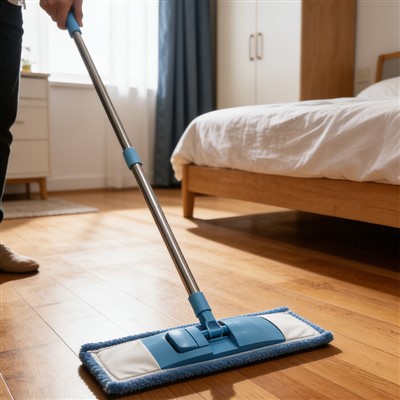
First off, let’s talk about picking the right mop for your space. I know, it’s tempting to grab that cheap microfiber mop at the dollar store, but hear me out: not all mops are created equal. If you’ve got hard, smooth floors—like tile, vinyl, or hardwood—skip the string mops. They leave streaks, and all that leftover water can warp hardwood. Microfiber is where it’s at. But not just any microfiber! Get ones with tight, dense loops (not fuzzy ones that shed). For bigger spaces, like a retail floor or a 3-bed house, a spray mop with a refillable bottle is way better than those disposable ones (also, way cheaper long-term). If you’ve got messy spots, like a kitchen that sees way too much spaghetti sauce or coffee spills, a mop with a scrubbing strip on the back? Game changer. I’ve been selling these for ages, and customers always say they never have to pre-treat spills anymore.
Now, before you even touch the mop: prep your floor. This is the step most people skip, and it’s why half their mopping job is useless. Think about it—if you drag a mop over crumbs, dirt, and pet hair, you’re just grinding that gunk into the floor, and now you’re spreading it around. First, sweep or vacuum. Vacuuming works best for low-pile carpets (wait, yeah, mops work on some carpets too—just be gentle) and hard floors alike. For high-pile areas or corners, use a broom with stiff bristles. I always tell my customers: if after sweeping, you can still see dirt when you step back, you need to sweep again. No shortcuts here. Also, clear the floor of big stuff—shoes, toys, that random pen that’s been under the coffee table for weeks. You don’t want to trip mid-mop and spill soapy water everywhere.
Next up: mixing the cleaning solution. Pro tip—don’t just dump bleach or floor cleaner straight from the bottle onto the mop or floor. That’s how you get streaks, or even damage to your floor. Most cleaning products are concentrated, so you need to dilute them. Read the label! I know, I know, labels are boring, but they tell you exactly how much to mix. For microfiber mops, warm water is actually better than hot or cold. Hot water can set some stains, cold water doesn’t mix with cleaner as well. If you’ve got a super dirty floor, add a tiny bit more cleaner, but don’t go overboard—too much suds means way more rinsing later. Also, skip the fancy homemade solutions that use vinegar and dish soap unless you know for sure they work on your floor. Vinegar is great for tile, but it can dull hardwood over time. Dish soap leaves a residue that makes your floors sticky. Stick to what’s made for your floor type.
Here’s the part that makes or breaks the job: how you actually mop. First, wring out that mop! This is non-negotiable. I don’t care what anyone says—if your mop is dripping, you’re doing it wrong. For microfiber mops, you should be able to squeeze it and only get a drop or two of water out. If it’s too wet, it leaves water spots, and that’s how hardwood warps. Soak the mop in your diluted solution, then wring it really good—if your mop has a wringing mechanism on the handle, use it, don’t just twist it by hand (you’ll get blisters).
Now, the pattern. Skip going back and forth like you’re painting a wall. That’s how you miss spots and leave streaks. Do what’s called the “S-pattern” or section by section. Split your floor into small, manageable chunks—like a 4×4 foot area. Start at the corner farthest from the door (so you don’t trap yourself and have to step on wet floor) and mop in one direction, either with the grain of hardwood or in straight lines for tile. When you’re done with that section, move to the next, overlapping by a few inches so you don’t have a line between sections. For tough spills? Don’t rub—blot first, then apply a little cleaner and scrub gently with the mop’s back side (that scrub strip we talked about earlier). Rubbing will push the spill into the grout or the floor’s cracks, making it way harder to get out later.
Once you’re done mopping, the biggest mistake people make is just propping the mop in a corner and forgetting about it. That’s how you get that stinky, moldy mop. Microfiber mops need to be washed immediately after use. Most of them are machine-washable—just throw them in the washing machine with like colors, no bleach or fabric softener (fabric softener ruins the microfiber’s ability to pick up dirt). Hang them to air dry—don’t put them in the dryer, the heat will break down the fibers. String mops? Rinse them in cold water until the water runs clear, then wring them out and hang them up so the head is off the ground. If you leave it sitting in a bucket of dirty water, you’re breeding bacteria, and the next time you mop, you’re just spreading that gunk around. Also, store your mop in a well-ventilated area—no closets where moisture can get trapped.
Wait, let’s talk about common mistakes I see all the time, because these are the ones that drive me crazy. First: mopping the whole house in one go and then letting it air dry. Never. You need to mop small sections and let them dry as you go, or even better, use a fan. If you’ve got a big room, turn on a box fan while you mop—cuts down drying time and prevents water spots. Second: using the same mop head for multiple floors. Like, using the kitchen mop on the bathroom floor? Gross. Bathroom floors have way more bacteria (hello, toilet splashes), so keep separate mop heads for high-traffic dirty areas and living spaces. That’s a quick fix that makes a huge difference. Third: overusing the mop. If your floor only has a little crumb and a coffee spill, do you really need to mop the entire thing? No. Spot clean! It saves time, saves your mop, and uses less cleaner.
I also want to mention hardwood floors, because so many people ask about these. If you’ve got hardwood, avoid water-based mops as much as possible. Even sealed hardwood can warp if it’s too wet. Use a damp microfiber mop, and make sure you wring it out so it’s barely damp. Also, use a cleaner specifically made for hardwood—regular floor cleaner can leave a residue. And never use a string mop on hardwood, period. I’ve seen too many customers ruin their expensive floors because they used the wrong mop, and that’s why I always make sure my customers get the right mop for their floor when they order from me.
Now, let’s be real—mops aren’t just for homes. I work with cafes, small offices, gyms, even warehouses, and they all have different needs. For a cafe with a lot of food spills, you need a mop that’s durable and can handle grease. For an office with tile, a lightweight spray mop works great. For a gym with rubber floors, you need something that’s non-abrasive. That’s why when businesses contact me, I don’t just sell them a bulk order—I ask about their space, how much foot traffic they get, what kind of messes they deal with, and help them pick the right tools. Because proper mopping starts with the right mop, and that’s what I’m here for.
I know this all sounds like a lot, but once you get the hang of it, it’s way easier than throwing water all over the floor. And the best part? Your floors will look cleaner, your mop will last longer, and you won’t have to deal with that weird stinky mop smell every time you reach for it. No more streaks, no more sticky floors, no more wasting time mopping the same spot three times.
If you’re a homeowner who’s tired of bad mop jobs, or a business owner who needs a steady supply of reliable mops for your team, hit me up to chat about your needs. I’m not just a supplier—I’ve been in the game long enough to know what works and what doesn’t, so I can help you pick the perfect mop for your space, whether you need one for your small apartment or a whole warehouse’s worth. No pushy sales talk, just real advice from someone who’s seen all the messy mop fails and wants to help you avoid them.
So that’s the lowdown on how to mop properly. It’s not rocket science, but it’s the small steps (prepping the floor, wringing the mop, cleaning it afterward) that make all the difference. Next time you grab your mop, remember these tips, and I promise you’ll have way better results. Now go make those floors shine, and if you need a mop that actually does the job, reach out—let’s get you set up.
Mop References:
- American Cleaning Institute. (2022). "Proper Mopping Techniques for Hard Surfaces".
- Floor & Decor. (2023). "Guide to Mopping Different Floor Types".
- Microfiber Manufacturers Association. (2021). "Care and Maintenance of Microfiber Mops".
Yongkang Zhechu Daily Necessities Co., Ltd.
We’re well-known as one of the leading mop manufacturers and suppliers in China, specialized in providing high quality customized products. We warmly welcome you to buy discount mop in stock here from our factory. Contact us for free sample.
Address: Take Elevator Number 2 to the Fourth Floor of No.58 Hongye Road, Xixi Xishan Industrial Zone, Longshan Town, Yongkang City.
E-mail: 1733131066@qq.com
WebSite: https://www.zcryp.com/
