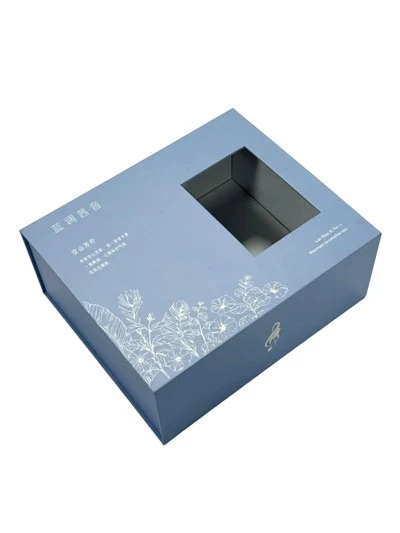
In the fast – paced world of today, takeout food has become an integral part of our lives. Whether it’s a busy office worker grabbing a quick lunch or a family ordering dinner on a lazy evening, takeout offers convenience. As a takeout box supplier, I understand that the quality of the takeout box, especially its insulation properties, can significantly impact the customer experience. In this blog, I will share some key points on how to choose a takeout box based on its insulation properties. Takeout Box
Understanding the Importance of Insulation in Takeout Boxes
The primary function of insulation in a takeout box is to maintain the temperature of the food inside. Hot food should stay hot, and cold food should remain cold until it reaches the customer. When food is well – insulated, it retains its original flavor, texture, and quality. For example, a slice of pizza that is kept warm in a well – insulated box will have a crispy crust and melted cheese, just like it was fresh out of the oven. On the other hand, if the insulation is poor, the pizza may turn soggy and lose its appeal.
Moreover, proper insulation can also be a matter of food safety. Bacteria can grow rapidly in food that is kept in the temperature danger zone (between 40°F and 140°F). By choosing a takeout box with good insulation, you can help ensure that hot food stays above 140°F and cold food stays below 40°F, reducing the risk of foodborne illnesses.
Factors Affecting Insulation Properties
Material
The material of the takeout box is one of the most crucial factors determining its insulation capabilities. Different materials have different thermal conductivity, which is a measure of how easily heat can pass through them. Materials with low thermal conductivity are better insulators.
- Cardboard: Cardboard is a common material for takeout boxes. It is relatively inexpensive, lightweight, and easy to print on. However, its insulation properties are limited. Single – wall cardboard boxes may not be sufficient for keeping food hot or cold for an extended period. Double – wall or corrugated cardboard boxes, on the other hand, offer better insulation. The air trapped between the layers acts as an insulator, reducing heat transfer.
- Foam: Polystyrene foam, also known as Styrofoam, is an excellent insulator. It has a very low thermal conductivity due to the large number of air pockets within its structure. Foam boxes can keep hot food hot and cold food cold for a long time. However, foam is not environmentally friendly as it is non – biodegradable and can take hundreds of years to decompose.
- Biodegradable Materials: With the increasing focus on sustainability, many takeout box suppliers are now offering boxes made from biodegradable materials such as bagasse (sugarcane pulp), bamboo fiber, or recycled paper. These materials can have good insulation properties, especially when they are designed with multiple layers. For example, a double – wall bagasse box can provide decent insulation while being eco – friendly.
Box Design
In addition to the material, the design of the takeout box also plays a significant role in its insulation performance.
- Sealability: A well – sealed box is essential for maintaining temperature. When there are gaps or loose lids, heat can easily escape. Boxes with snug – fitting lids or self – locking mechanisms are better at keeping the heat or cold inside. For example, a pizza box with a flap that tucks under the lid creates a more airtight seal compared to a box with a simple lid.
- Size and Shape: The size and shape of the box can affect insulation. A box that is too large for the food will have more empty space, which can lead to faster heat transfer. An appropriately sized box that snugly fits the food helps reduce the amount of air inside, thereby improving insulation. Additionally, the shape of the box can impact how evenly the heat is distributed. Round or oval – shaped boxes may have better heat retention compared to square or rectangular boxes, as they have less surface area for heat to escape.
Thickness
The thickness of the box material is directly related to its insulation capacity. Generally, thicker boxes provide better insulation. A thicker layer of material means there is more resistance to heat transfer. However, it’s important to find a balance, as overly thick boxes can be more expensive and may take up more storage space.
Practical Tips for Choosing a Takeout Box Based on Insulation
Assess Your Food’s Requirements
If you are a restaurant or food business, the first step is to understand the specific needs of your food. For hot items like burgers, fries, or soups, you need a box that can keep the food hot for at least 30 minutes to an hour, depending on the average delivery time. If you serve cold food such as salads, sandwiches with cold fillings, or ice cream, focus on boxes that can maintain a low temperature.
For example, if you run a pizza place, a double – wall cardboard or a foam pizza box would be a good choice. The double – wall cardboard provides some insulation, while the foam can keep the pizza hotter for a longer time. If you are a health – conscious restaurant that offers mostly cold salads, a well – sealed biodegradable box with good insulation can help keep the salads fresh and crisp.
Consider the Delivery Distance
The average delivery distance of your takeout orders also influences your choice of takeout box. If your customers are mostly located nearby, a box with moderate insulation may be sufficient. However, if you offer longer – distance deliveries, you need a box with excellent insulation properties to ensure that the food arrives at the customer’s place in good condition.
For instance, if your restaurant is in a densely populated urban area where most deliveries are within a 10 – minute radius, a single – wall cardboard box with a good seal may work. But if you are in a suburban area where deliveries can take 30 minutes or more, a double – wall or foam box is a better option.
Conduct Insulation Tests
As a takeout box supplier, I recommend conducting simple insulation tests to compare different boxes. You can heat up a sample of food to a specific temperature and place it in different boxes. Then, use a thermometer to measure the temperature of the food at regular intervals over a set period of time. This will give you an objective way of evaluating the insulation performance of each box.
For example, you can cook several identical batches of fries and place them in different takeout boxes. Check the temperature of the fries every 10 minutes for an hour. The box that keeps the fries hottest for the longest time is the one with the best insulation.
Industry Trends and Future Outlook
In recent years, there has been a growing demand for sustainable takeout boxes without sacrificing insulation quality. Many customers are now more environmentally conscious and prefer to choose restaurants that use eco – friendly packaging. This has led to the development of new materials and technologies that improve the insulation of biodegradable boxes.
For example, some researchers are working on adding natural insulating materials such as cork or wool fibers to biodegradable box materials to enhance their insulation properties. In addition, there is a trend towards using smart packaging solutions that can monitor and adjust the temperature of the food inside the box.
As a takeout box supplier, I am committed to staying at the forefront of these trends. We are constantly researching and developing new products that offer excellent insulation while being environmentally friendly. We believe that by providing high – quality, sustainable takeout boxes, we can not only meet the needs of our customers but also contribute to a more sustainable future.
Conclusion
Choosing the right takeout box based on its insulation properties is crucial for the success of your food business. By considering factors such as material, design, thickness, food requirements, and delivery distance, you can select a box that will keep your food fresh and delicious from the kitchen to the customer’s table.
Pizza Box If you are interested in learning more about our high – quality takeout boxes or would like to discuss your specific insulation needs, I encourage you to reach out to us. We are here to help you make the best choice for your business.
References
- "Food Packaging: Principles and Practice" by Yam K.L. and Lee S.Y.
- "Thermal Insulation Materials and Systems" by Malhotra V.M.
- Research papers on sustainable packaging materials published in journals such as "Journal of Cleaner Production" and "Environmental Science & Technology".
Dongguan Jinying Printing Co., Ltd.
As one of the most experienced takeout box manufacturers and suppliers in China and Vietnam, we also support custom service and OEM service. Welcome to buy bulk luxury takeout box at competitive price from our factory. If you have any enquiry about cooperation, please feel free to email us.
Address: No. 5, 1st Road, Jingshan Third Industrial Zone, Chashan Town, Dongguan City, Guangdong Province
E-mail: inquiry@dg-jinying.com
WebSite: https://www.gpspacking.com/
