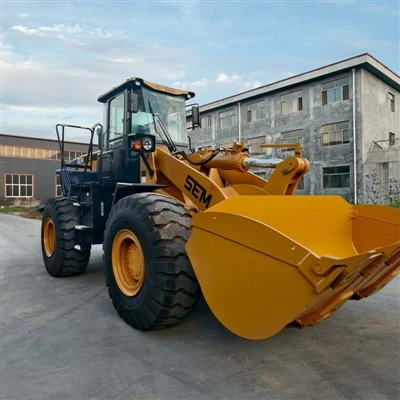
Adjusting the boom of a crawler excavator is a crucial task that requires precision and understanding of the machine’s mechanics. As a supplier of crawler excavators, I’ve witnessed firsthand the importance of proper boom adjustment for optimal performance and safety on construction sites. In this blog, I’ll share some insights on how to effectively adjust the boom of a crawler excavator. Crawler Excavator
Understanding the Crawler Excavator Boom
The boom is one of the most critical components of a crawler excavator. It serves as the main arm that extends from the machine’s body and is responsible for reaching different distances and heights. The boom’s movement is controlled by hydraulic cylinders, which allow for precise positioning and operation. There are typically two main types of booms: the standard boom and the long-reach boom. The standard boom is suitable for general excavation tasks, while the long – reach boom is designed for applications that require greater reach, such as dredging or working in hard – to – reach areas.
Before attempting to adjust the boom, it’s essential to have a thorough understanding of its structure and how it interacts with the rest of the excavator. Familiarize yourself with the hydraulic system, including the hoses, valves, and cylinders. Check for any signs of wear or damage, such as leaks, cracks, or loose connections. A damaged hydraulic system can lead to improper boom operation and pose a significant safety risk.
Pre – adjustment Checks
Before making any adjustments to the boom, a series of pre – adjustment checks should be carried out. First, park the crawler excavator on a flat and stable surface. Engage the parking brake to prevent the machine from moving during the adjustment process. Make sure the engine is turned off, and the hydraulic pressure is released to avoid any sudden movements of the boom.
Inspect the boom for any visible signs of damage, such as bent sections, dents, or worn – out pins and bushings. Check the hydraulic hoses for any signs of abrasion, leaks, or kinks. A damaged hose can cause a loss of hydraulic pressure, which will affect the boom’s performance. Also, inspect the boom’s attachment points to ensure they are secure and properly tightened. Loose attachment points can lead to instability and potential accidents.
Adjusting the Boom Angle
One of the most common adjustments to the crawler excavator boom is changing its angle. This adjustment is necessary to reach different working positions and to adapt to various excavation tasks. To adjust the boom angle, start by operating the hydraulic controls in the cab. The controls typically consist of levers or joysticks that allow you to extend or retract the hydraulic cylinders connected to the boom.
When adjusting the boom angle, it’s important to do it slowly and steadily. Sudden movements can put excessive stress on the hydraulic system and the boom itself. Monitor the boom’s position using the machine’s in – cab indicators or by visually checking its alignment with the target area. If you need to make a precise adjustment, it may be helpful to use a laser level or a theodolite to ensure the boom is at the correct angle.
Adjusting the Boom Length
In some cases, you may need to adjust the length of the boom. This can be done on excavators that are equipped with telescopic booms. To adjust the boom length, operate the hydraulic controls that are specifically designed for this function. The telescopic boom consists of multiple sections that can be extended or retracted using hydraulic cylinders.
Before extending the boom, make sure there is enough clearance around the machine to avoid hitting any obstacles. When retracting the boom, ensure that all the sections are fully retracted and properly locked in place. Improperly locked sections can cause the boom to collapse unexpectedly, which is extremely dangerous.
Fine – Tuning the Boom for Optimal Performance
After making the initial adjustments to the boom angle and length, it’s important to fine – tune the settings for optimal performance. This involves testing the boom’s movement and making small adjustments as needed. Start by performing some test excavations or movements to see how the boom responds.
Pay attention to the smoothness of the boom’s movement. If you notice any jerks or hesitations, it may indicate a problem with the hydraulic system or the adjustment settings. Check the hydraulic fluid level and the pressure settings to ensure they are within the recommended range. You may also need to adjust the flow rate of the hydraulic fluid to achieve smoother operation.
Another aspect of fine – tuning is ensuring the boom’s accuracy. Use the machine’s control system to make precise adjustments to the boom’s position. This is especially important when working on projects that require high levels of precision, such as building foundations or landscaping.
Safety Considerations During Boom Adjustment
Safety should always be the top priority when adjusting the boom of a crawler excavator. Wear appropriate personal protective equipment (PPE), including a hard hat, safety glasses, and steel – toed boots. Make sure there are no bystanders in the vicinity of the machine during the adjustment process.
If you are working at a height or in an area with limited visibility, use additional safety measures such as safety harnesses and spotters. Never attempt to make adjustments to the boom while the engine is running unless you are specifically trained to do so. Always follow the manufacturer’s instructions and guidelines for boom adjustment.
Maintenance After Boom Adjustment
After adjusting the boom, it’s important to perform regular maintenance to ensure its continued proper operation. Check the hydraulic system for any signs of leaks or damage. Replace any worn – out hoses, seals, or gaskets as soon as possible. Lubricate the boom’s moving parts, such as the pins and bushings, to reduce friction and wear.
Inspect the boom for any signs of stress or fatigue. Over time, the constant movement and heavy loads can cause the boom to develop cracks or other structural issues. If you notice any signs of damage, have the boom inspected by a qualified technician and repaired immediately.
Conclusion
Adjusting the boom of a crawler excavator is a complex but essential task for ensuring optimal performance and safety on construction sites. By understanding the boom’s structure, performing pre – adjustment checks, making accurate adjustments to the angle and length, fine – tuning for optimal performance, following safety considerations, and conducting regular maintenance, you can keep your excavator’s boom in top – notch condition.
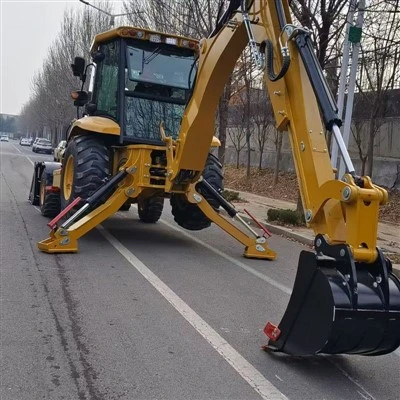
Backhon Loader If you’re in the market for a crawler excavator or need more information on boom adjustment and maintenance, we’re here to help. As a leading supplier of crawler excavators, we have a wide range of models and configurations to meet your specific needs. Our team of experts can provide you with detailed guidance and support to ensure you get the most out of your equipment. Contact us today to start a discussion about your requirements and explore the possibilities of working together.
References
- "Crawler Excavator Operator’s Manual", Various Manufacturers
- "Hydraulic Systems in Construction Equipment", Industry Publications
- "Safety Guidelines for Construction Machinery", National Safety Organizations
Shandong Feisite Machinery Co., Ltd.
As one of the most professional crawler excavator manufacturers and suppliers in China, we’re featured by quality products and good service. Please rest assured to buy cheap crawler excavator made in China here and get quotation from our factory. Customized orders are welcome.
Address: 100 meters south of Zengfusi Village, Mihe Town, Qingzhou City, Shandong Province
E-mail: Wpeng19911103@qq.com
WebSite: https://www.shandongfeisite.com/
