Hey there! I’m a supplier of plastic pipes, and I often get asked about how to cut plastic pipes. It might seem like a simple task, but there are actually quite a few things to keep in mind to get a clean and accurate cut. In this blog, I’ll share some tips and techniques that I’ve picked up over the years in the plastic pipe business. Plastic Pipe

Why Cutting Plastic Pipes Properly Matters
First off, let’s talk about why it’s so important to cut plastic pipes correctly. A poorly cut pipe can lead to all sorts of problems. For example, if the cut isn’t straight, it can be really difficult to connect the pipe to other fittings. This can cause leaks, which are a huge headache, especially in plumbing or irrigation systems. Also, a rough cut can create sharp edges that might damage the inside of the pipe or the fittings. So, taking the time to cut the pipes right can save you a lot of trouble down the road.
Tools You’ll Need
Before you start cutting, you need to have the right tools. Here are some of the most common ones:
Pipe Cutters
Pipe cutters are probably the most popular tool for cutting plastic pipes. There are two main types: manual and power. Manual pipe cutters are great for small – diameter pipes. They’re easy to use and relatively inexpensive. You just place the cutter around the pipe and turn the handle. The cutter’s blade will gradually cut through the pipe. Power pipe cutters, on the other hand, are more suitable for larger – diameter pipes. They can cut through the pipe much faster, but they’re also more expensive.
Hacksaws
Hacksaws are another option. They’re a bit more versatile because you can use them to cut pipes of different shapes and sizes. However, they require more effort to use, and it can be a bit tricky to get a straight cut. You need to make sure the blade is sharp and use a steady hand.
Utility Knives
For very thin plastic pipes, a utility knife can do the job. You just score the pipe several times around the circumference and then snap it. This method is quick and easy, but it’s not suitable for thicker pipes.
Preparing the Pipe
Once you’ve got your tools ready, it’s time to prepare the pipe for cutting.
Measure Twice, Cut Once
This old saying is especially true when it comes to cutting plastic pipes. Measure the length you need accurately using a tape measure. Mark the cut line clearly with a permanent marker. Make sure the mark is straight and goes all the way around the pipe.
Clean the Pipe
Before you start cutting, clean the pipe to remove any dirt, debris, or grease. This will make the cutting process smoother and also help prevent the blade from getting dull quickly. You can use a damp cloth to wipe the pipe down.
Cutting Techniques
Now, let’s get into the actual cutting techniques.
Using a Pipe Cutter
If you’re using a manual pipe cutter, place it around the pipe at the marked cut line. Make sure the blade is aligned with the mark. Then, turn the handle slowly and steadily. As you turn, the blade will dig into the pipe. Keep turning until the blade cuts through the pipe completely. If you’re using a power pipe cutter, follow the manufacturer’s instructions. Usually, you just need to place the cutter on the pipe and press the trigger.
Using a Hacksaw
When using a hacksaw, start by clamping the pipe securely in a vise. This will prevent the pipe from moving while you’re cutting. Then, position the blade of the hacksaw at the marked cut line. Start sawing slowly, using long, smooth strokes. Apply even pressure to the saw. It might take a few minutes to cut through the pipe, especially if it’s thick.
Using a Utility Knife
For thin plastic pipes, hold the pipe firmly in one hand. Use the utility knife to score the pipe along the marked cut line. Make several passes with the knife to deepen the score. Then, bend the pipe gently at the scored line until it snaps.
Finishing the Cut
After you’ve cut the pipe, you need to finish the cut to make it smooth and ready for use.
Deburring
Use a deburring tool or a file to remove any burrs or rough edges from the cut end of the pipe. This will prevent the edges from damaging the fittings or the inside of the pipe. Run the deburring tool or file around the inside and outside of the cut end of the pipe.
Sanding
If the cut isn’t very smooth, you can sand the end of the pipe with sandpaper. Start with a coarse – grit sandpaper and then move to a finer – grit sandpaper for a smoother finish.
Safety Precautions
Cutting plastic pipes can be dangerous if you’re not careful. Here are some safety precautions to keep in mind:
Wear Protective Gear
Always wear safety goggles to protect your eyes from flying debris. Gloves can also be a good idea to protect your hands from sharp edges.
Work in a Well – Ventilated Area
Some plastic pipes can release fumes when they’re cut. Make sure you’re working in a well – ventilated area to avoid inhaling these fumes.
Keep Your Tools in Good Condition
Dull blades can make the cutting process more difficult and increase the risk of accidents. Make sure your tools are sharp and in good working condition.
Troubleshooting
Sometimes, things don’t go as planned when you’re cutting plastic pipes. Here are some common problems and how to solve them:
The Cut Isn’t Straight
If the cut isn’t straight, you can try using a pipe cutter again or using a file to straighten the edge. You might also need to re – measure and mark the pipe and make a new cut.
The Pipe Cracks
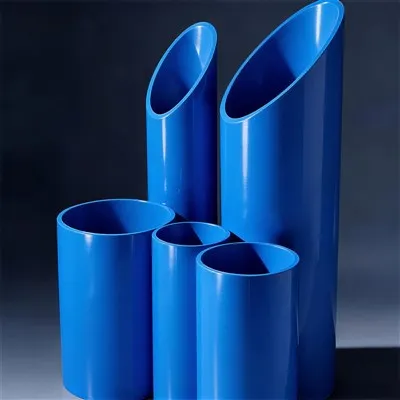
If the pipe cracks while you’re cutting, it could be because the pipe is too brittle or you’re applying too much pressure. Try using a different cutting method or a different type of pipe.
Conclusion
PVC Conduit Cutting plastic pipes is a skill that can be learned with a little practice. By using the right tools, preparing the pipe properly, and following the right techniques, you can get a clean and accurate cut every time. And if you’re in the market for high – quality plastic pipes, I’m here to help. Whether you’re working on a small DIY project or a large – scale construction job, I’ve got the pipes you need. Just reach out to me, and we can discuss your requirements and get you the best plastic pipes for your needs.
References
- "Plastic Pipe Fittings Handbook"
- "Pipe Installation and Maintenance Guide"
Hebei Ruijie Pipe Industry Co., Ltd.
Hebei Ruijie Pipe Industry Co., Ltd. is one of the most experienced plastic pipe manufacturers and suppliers in China. With a professional production team, we are able to meet the needs of the majority of our customers. Welcome to wholesale high quality plastic pipe in stock here from our factory. Contact us for pricelist and free sample.
Address: Industrial Park, Shaozhuang Township, Suning County, Cangzhou City, Hebei Province
E-mail: 1987870474@qq.com
WebSite: https://www.rjpprpipe.com/
