Hey there! I’m a supplier of filter cartridge dust collectors, and today I wanna chat about the energy consumption of these bad boys. You see, understanding how much energy a filter cartridge dust collector uses is super important, whether you’re a business owner looking to cut costs or just someone curious about how these machines work. Filter Cartridge Dust Collector
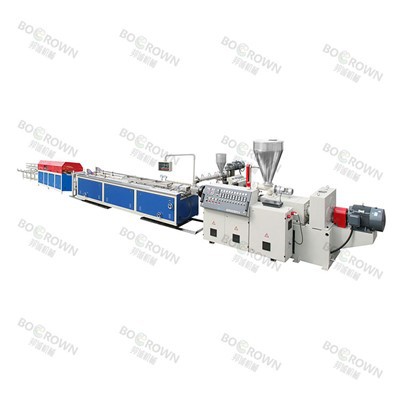
Let’s start with the basics. A filter cartridge dust collector is a piece of equipment used to remove dust and other particulate matter from the air. It’s commonly found in industrial settings like factories, woodworking shops, and metalworking facilities. The way it works is pretty simple: dirty air is drawn into the collector through an inlet, passes through the filter cartridges, and clean air is then released back into the environment.
Now, the energy consumption of a filter cartridge dust collector depends on several factors. One of the most significant factors is the size of the collector. Larger collectors generally require more energy to operate because they have to move more air. For example, a small dust collector used in a home workshop might use only a few hundred watts of power, while a large industrial collector could use several thousand watts.
Another factor that affects energy consumption is the type of fan used in the collector. Fans are responsible for moving the air through the system, and different types of fans have different levels of efficiency. Centrifugal fans, for instance, are commonly used in dust collectors because they can generate high pressure and move large volumes of air. However, they can also be relatively energy-intensive. On the other hand, axial fans are more energy-efficient but may not be suitable for all applications.
The design of the filter cartridges themselves also plays a role in energy consumption. Filter cartridges are designed to trap dust and other particles, but over time, they can become clogged. When this happens, the air flow through the collector is restricted, and the fan has to work harder to maintain the same level of air movement. This, in turn, increases energy consumption. To minimize this problem, it’s important to regularly clean or replace the filter cartridges.
In addition to these factors, the operating conditions of the dust collector can also affect energy consumption. For example, if the collector is operating in a high-temperature environment, the air density will be lower, and the fan will have to work harder to move the same volume of air. Similarly, if the collector is operating at a high altitude, the air pressure will be lower, and the fan will also have to work harder.
So, how can you reduce the energy consumption of a filter cartridge dust collector? Well, one of the most effective ways is to choose a collector that is appropriately sized for your application. If you choose a collector that is too large, it will use more energy than necessary. On the other hand, if you choose a collector that is too small, it may not be able to handle the volume of dust and particulate matter in your environment, which can lead to increased maintenance costs and reduced efficiency.
Another way to reduce energy consumption is to choose a fan that is energy-efficient. Look for fans that have a high efficiency rating and are designed to operate at low speeds. You can also consider using a variable frequency drive (VFD) to control the speed of the fan. A VFD allows you to adjust the speed of the fan based on the actual demand for air, which can significantly reduce energy consumption.
Regular maintenance is also crucial for reducing energy consumption. As I mentioned earlier, clogged filter cartridges can increase energy consumption, so it’s important to clean or replace them regularly. You should also check the fan and other components of the collector for wear and tear and make any necessary repairs or replacements.
Finally, it’s important to consider the overall energy efficiency of your dust collection system. This includes not only the energy consumption of the collector itself but also the energy consumption of any other equipment or processes that are associated with the system. For example, if you’re using a conveyor system to transport dust to the collector, you should make sure that the conveyor is operating efficiently.
In conclusion, the energy consumption of a filter cartridge dust collector depends on several factors, including the size of the collector, the type of fan used, the design of the filter cartridges, and the operating conditions. By choosing an appropriately sized collector, using an energy-efficient fan, performing regular maintenance, and considering the overall energy efficiency of your dust collection system, you can significantly reduce energy consumption and save money on your energy bills.
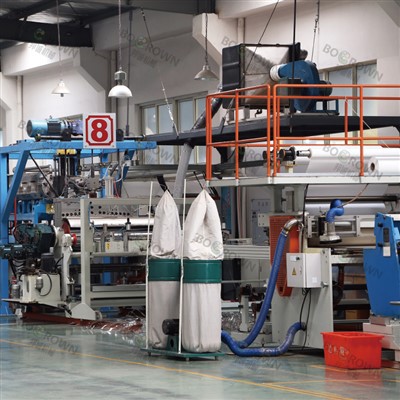
If you’re interested in learning more about filter cartridge dust collectors or are looking to purchase one for your business, I’d love to chat with you. Feel free to reach out to me, and we can discuss your specific needs and find the best solution for you.
PVC Automatic Mixing System References:
- Industrial Ventilation: A Manual of Recommended Practice, American Conference of Governmental Industrial Hygienists
- Dust Collection Handbook, Air Quality Engineering
ZJG BC Machinery Co., Ltd.
As one of the most professional filter cartridge dust collector manufacturers and suppliers in China, we’re featured by quality products and good price. Please rest assured to buy cost-efficient filter cartridge dust collector for sale here from our factory. Contact us for custom service and OEM service.
Address: No.8 Lexi Road, Leyu Town, Zhangjiagang City
E-mail: sales@bcextruder.com
WebSite: https://www.bcextruder.com/
