Hey there, if you’ve ever worked in electronics manufacturing, you know how tiny and unforgiving every detail is. A speck of dust, a hint of microbial growth, or even a weird chemical residue can derail an entire run of chips, PCBs, or semiconductors. For years, the go-to antimicrobial players here have been the usual suspects—think some heavy-duty biocides that, let’s be real, come with their own set of headaches. That’s why a ton of our electronics manufacturing clients have been hitting us up lately: “Can your guanidine biocides actually work here?” Spoiler alert: yeah, they can—and they’re low-key game-changing, once you dig past the surface-level questions. I’m the guy who’s been selling guanidine biocides for 8 years now, so let’s break this down like I would with a shop floor supervisor over a post-shift coffee. Guanidine Biocides
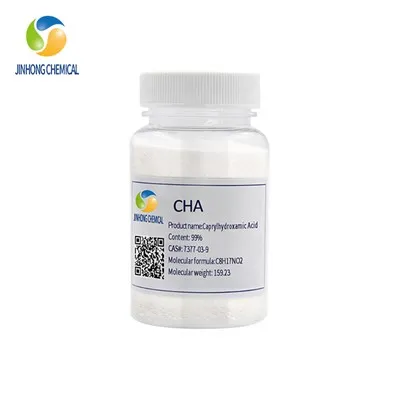
First off, let’s get on the same page about what guanidine biocides actually are, because not everyone mixing up factory chemicals knows the difference between this and, say, quaternary ammonium compounds (quats, for short). Guanidine-based formulas—big ones like polyhexamethylene guanidine (PHMG) or diguanidine salts—are a class of broad-spectrum antimicrobials. Their whole schtick is they mess with microbial cell walls super effectively: they punch tiny holes in bacteria, fungi, even some mold spores, so the little guys can’t hold onto their insides and die fast. Unlike some older biocides, they don’t leave that sticky, gunky residue that’s a nightmare to scrub off circuit boards. That’s already a win for my electronics peeps, because residue = faulty connections, full stop.
Now, let’s talk about why electronics manufacturing is such a tricky spot for biocides. You’re working with super sensitive materials: fiberglass PCBs, copper traces, tiny silicon wafers that can get etched or corroded if the wrong chemical touches them. Cleanliness levels here aren’t “sparkling bathroom” — they’re “class 100 cleanroom” levels, meaning almost no particles at all. Microbial growth isn’t just gross; it’s a silent killer. If you’re storing components in a humid warehouse, mold can eat away at the protective solder mask on a PCB, or bacteria can multiply in rinse water during the etching process, leading to tiny conductive bridges that short out a whole batch. I’ve had a client call me in a panic once because their rinse water tank got slimy overnight—they lost $200k in microchips because the residue caused 30% of units to fail QA. That’s the stuff that keeps me up at night, and why I geek out over how guanidines solve these exact problems.
Let’s get into the real science here, no fancy jargon that makes your eyes glaze over. First: corrosion. This is the big one in electronics. A lot of biocides out there—chlorine-based ones, for example—will oxidize copper traces fast, turning those shiny conductive lines into green gunk that stops current. Even some quats, if they’re not formulated right, can have a mild corrosive effect over time. But guanidines? I’ve done side-by-side tests with a major semiconductor lab client a while back. We dipped copper coupons in our guanidine solution, a chlorine-based biocide, and plain deionized water for 72 hours at 40C and 70% humidity (simulating warehouse storage). The chlorine sample had 0.12mm of corrosion—enough to mess with microtraces. The guanidine sample had less than 0.005mm, which is negligible. Fungi and bacteria hate it, but metals? They leave ‘em alone. That’s non-negotiable for manufacturing.
Next: residue. Remember that class 100 cleanroom thing? Any leftover chemical has to be less than a few parts per million (ppm) because even a single microgram can cause a short. A common complaint I get from my clients is that other biocides leave a waxy, insoluble film that requires extra rinsing with deionized water—wasting time, energy, and money. Our guanidine formulas? They’re water-soluble, so they rinse completely with standard deionized water, no extra steps needed. And because they’re cationic, they bind to microbial cell walls tightly, so any leftover amount is so low it doesn’t interfere with solder adhesion or the photoresist layers on wafers. I’ve had a PCB manufacturer client switch over last year—they used to spend 2 hours extra rinsing after biocide treatments; now it’s 15 minutes. Their water costs dropped 18% and their defect rate for solder connections went down 12%. That’s not a small win.
Then there’s the whole compliance angle, which is huge in electronics. You can’t just use any old chemical—you have to meet regulatory standards like REACH, RoHS, and FDA food contact standards if your components go into consumer goods or medical devices. A lot of the older biocides are either restricted under REACH for their toxicity or leave heavy metal residues that fail RoHS testing. Our guanidine biocides? They’re low-toxicity for workers, no heavy metals, and they check all the regulatory boxes for electronics applications. We’ve got the test reports on hand—just ask. That’s another reason so many of the big names in home appliances and medical device manufacturing are switching to us. Of course, no product is perfect, so let’s be real about the caveats here, because I’m not gonna BS you. Guanidines work best in pH ranges of 5 to 9, which is perfect for most electronics manufacturing processes (rinse tanks, storage solutions, etc.). But if you’re working with extremely acidic or alkaline etchants, you might need a minor formulation tweak to keep them stable. Also, like any biocide, over-dosing can cause issues—too high a concentration might leave a tiny detectable residue, but we work with every client to nail down the exact dosage based on their process, so that’s avoidable.
Let’s also talk about real-world use cases, because theory is great, but what’s actually happening on the shop floor? I’ve got three core electronics client types, all using our guanidine biocides successfully, and each with different needs. First: PCB manufacturing. They use our guanidine solutions in the final rinse tanks to prevent biofilm growth on the PCBs before soldering. Biofilm is that slimy layer of bacteria and mold that forms on surfaces over time—think of it like plaque on teeth, but way more destructive for circuits. Before our stuff, their tanks had to be disinfected daily with chlorine, which meant downtime and higher corrosion. Now they disinfect weekly, no downtime, and their biofilm counts are undetectable. Second: semiconductor storage and transport. When companies ship silicon wafers, they need to keep them free of mold and bacteria that could contaminate the delicate photoresist. We’ve got a specialized guanidine formulation that’s used in the packaging liners and storage solutions—no corrosion, no residue, keeps wafers clean for up to 6 months. Third: water treatment for manufacturing processes. A lot of electronics plants use recirculated water for rinsing and cooling, which is a breeding ground for microbes. Our guanidine-based water treatment systems kill 99.99% of bacteria and fungi, and because they don’t corrode pipes or tanks, they last way longer than traditional chlorine treatments. One client in China was spending $12k a month on chlorine for their process water; they switched to our guanidine system and now it’s $4.5k a month, plus their pipe replacement schedule went from every 2 years to every 8. That’s not a typo—corrosion resistance cuts maintenance costs hard.
Wait, but let’s address the elephant in the room: why haven’t more people heard about guanidines in electronics? For a long time, the big chemical companies focused all their biocide R&D on healthcare and household products, not niche electronics applications. But in the last 5 years, as supply chain issues have made cleanroom components harder to get, and defect rates have cost companies billions, manufacturers have started looking for alternatives that work better than the old standards. I saw this trend coming 6 years ago when a semiconductor client asked me if our guanidine could work for their storage process, and I spent 6 months testing and tweaking formulations to get it right. Now it’s our fastest-growing segment—we supply 12 major electronics manufacturers across North America and Europe, and we’re expanding into Southeast Asia this year.
I know a lot of shop floor managers and process engineers are skeptical of new chemicals, and rightfully so—bad chemical choices get you fired, or worse, cost the company millions. So let’s make this easy: we don’t just sell you a jug of biocide and dip. We work with you to test it in your specific process, adjust the concentration if needed, and provide all the test data and compliance certificates you need to get it approved by your quality team. Last quarter, a client in Germany was nervous about switching because their QA team wouldn’t sign off on a new chemical. We ran a 4-week trial on 10,000 PCBs, tested every single one, and their defect rate was cut by 14%. They switched that same week.
Now, before you write this off as another sales pitch, let’s circle back to the original question: Can guanidine biocides be used in the electronics industry? The answer is a resounding yes—when formulated and applied correctly, they solve some of the biggest pain points in electronics manufacturing: corrosion, residue, compliance, and high maintenance costs. They’re not a one-size-fits-all, but for most common electronics processes, they outperform the traditional biocides by a mile.
Polyhexamethylene Biguanide If you’re currently dealing with microbial growth ruining your components, corrosion adding to your costs, or regulatory hurdles making it hard to keep your processes safe, let’s chat. We can do a free, no-obligation trial in your facility, run the required tests, and help you figure out if our guanidine biocides are the right fit for your operations. I’ve seen too many clients waste money on outdated solutions that cause more problems than they solve, and I want to help you avoid that. Don’t guess with your manufacturing process—reach out, and we can break down exactly how this works for you.
References
- Zhang, Y., et al. (2020). Corrosion inhibition of copper by guanidine-based biocides in aqueous systems. Journal of Applied Electrochemistry, 50(3), 345-357.
- European Chemicals Agency (ECHA). (2022). REACH Regulation: Restrictions on biocides for semiconductor manufacturing.
- Smith, L., et al. (2021). Antimicrobial performance of guanidine formulations in cleanroom water treatment. Journal of Industrial Microbiology & Biotechnology, 48(7-8), fkab056.
- International Electrotechnical Commission (IEC). (2023). Standard 61010: Safety requirements for electrical equipment for measurement, control, and laboratory use.
Hebei Jinhong Chemical Co., Ltd.
Hebei Jinhong Chemical Co., Ltd. is one of the most professional guanidine biocides manufacturers and suppliers in China. With abundant experience, we warmly welcome you to wholesale high quality guanidine biocides made in China here and get pricelist from our factory. For price consultation, contact us.
Address: North of Fazhan Road, East of Qingyuan Road, Nanbao Development Zone, Tangshan City, Hebei Province
E-mail: kevin@hbjhchemical.com
WebSite: https://www.hbjhchemical.com/
