If you’ve ever shopped for case goods furniture—think dressers, chests, sideboards, bed frames, or dining hutches—you’ve probably asked yourself a quiet question: is this piece going to hold up, or will it creak, crack, or fall apart in a few years? As a case goods furniture supplier who’s spent the last 12 years building these pieces, talking to customers every week about what works and what doesn’t, I get this question all the time. It’s not just about price or style—no one wants to sink money into a wardrobe that starts sagging after moving once, or a dining table that warps within a couple of years. Today, I want to break down how long case goods furniture usually lasts, what factors make a difference, and what you can look for if you want pieces that stick around. Case Goods Furniture
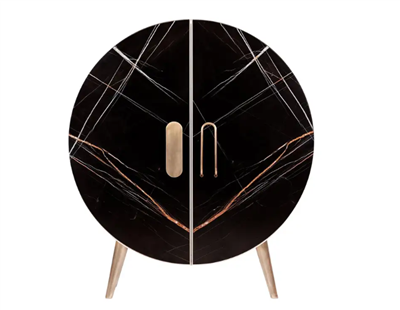
First, let’s get clear on what case goods actually is, because it’s a term that gets thrown around a lot, and it’s tied directly to longevity. Unlike upholstered furniture (sofas, chairs with fabric or cushions), case goods are rigid, box-like pieces built with a frame, sides, top, bottom, and often drawers or doors. They’re made to store things, hold weight, and stand up to daily use, so their durability depends way more on build quality than pretty upholstery fabric or a nice cushion. I’ve seen cheaply made sofas fall apart in 3 years, and beautifully built case goods pieces last 50+ years—even more, if you take care of them. Let’s start with the average lifespan, because that’s what most people are actually asking.
When we talk about typical lifespan, we split case goods into three categories based on quality, and that’s where the most variation comes in. The first is entry-level or mass-produced case goods—this is the stuff you might find at big-box stores, some online marketplaces, or furniture outlets that price pieces well below $500 for a dresser. For these, the average lifespan is 5 to 10 years, if you’re lucky. I’m not saying that to knock lower-priced options; sometimes people just need a temporary piece for a college apartment or a rental home, and that’s fine. But what makes these pieces shorter-lived? Usually, they’re built with particleboard or MDF (medium-density fiberboard) as a core, with a thin veneer of wood over the top to look like solid wood. The joinery is almost always staples, glue, or simple butt joints—no real locking pieces. Drawer sides are thin, and the hardware (glides, hinges, handles) is cheap plastic that breaks easily. I’ve had customers bring back a 2-year-old particleboard dresser because the top surface bubbled from a spilled drink that seeped through the veneer, and the drawers started sticking so bad you could barely open them. That’s par for the course with entry-level.
Next, mid-range case goods—this is the sweet spot for most homeowners, the stuff you’ll find at local furniture shops, mid-tier online brands, or our line, where pieces range from $800 to $2,500 depending on size and materials. For these, the average lifespan is 15 to 25 years. We build our mid-range case goods with solid wood for the structural parts—like the side panels, drawer sides, and top edges—with plywood for areas that might get a little moisture, like the back panel of a sideboard. Joinery here is a mix of glue and pocket screws or dovetail joints, which lock pieces together so they don’t come apart with use. Hardware is metal, not plastic: ball-bearing glides for drawers that open smoothly every time, heavy-duty hinges that hold door weight without sagging. We test every drawer to hold 50 pounds full of clothes, and every door to swing open and closed 10,000 times without wearing out. I’ve had customers tell us they bought a mid-range dining hutch from us 20 years ago, and they still use it daily—though they did replace one glide a few years back, which is totally normal. This is the category where you get the best balance of price and longevity, for people who want pieces that last through moves, kids, pets, and daily life.
Then there’s high-end or custom case goods—made with solid hardwood, intricate joinery, hand-finished surfaces, often custom sized to fit a space. For these, the average lifespan is 50 to 100 years, and I’d argue many of these pieces could last longer than that if cared for properly. We’ve had custom clients commission a walnut chest for their master bedroom, and their parents bought an identical piece 30 years ago, which is still in perfect shape. The difference here is that there are no shortcuts: the joinery is full dovetails, mortise and tenon, the wood is kiln-dried multiple times to prevent warping, the hardware is solid brass or steel, and the finish is a hard oil or lacquer that repels scratches and spills. I’ve worked on a restoration project for a 120-year-old oak sideboard that’s still used in a family’s dining room today—they replaced the pulls and re-oiled it, and it’s as solid as the day it was made. That’s the kind of longevity that makes case goods a worthwhile investment, not just furniture but something you can pass down.
Now, longevity isn’t just about the type of wood or joinery—it’s about how you use and care for the piece. I’ve seen two identical dressers, one that lasted 50 years and one that lasted 5, just because of how they were treated. Let’s talk about the biggest factors that affect lifespan, because this is something most customers don’t realize when they’re shopping.
First, wood movement. Wood is a natural material, it swells when it’s humid and shrinks when it’s dry. Cheap pieces made with particleboard or MDF don’t handle this well—if they absorb too much moisture, they warp, bubble, or break apart. Solid wood pieces, when properly kiln-dried and finished, can move with the seasons, but you still have to be careful. For example, putting a dresser right next to a space heater or a drafty window can cause the wood to shrink too fast, leading to cracks in the top. We always advise customers to leave a little space around case goods pieces, and to use a humidifier in dry climates in the winter, especially for solid wood pieces. I had a customer last year who put her new oak dresser right next to a wood stove in her cabin, and after a year, the top had a 1-inch crack across it—she was devastated, but it’s not a defect, it’s just wood doing what wood does. The fix was simple: we filled the crack with wood filler and re-oiled it, and it’s been fine since, but it’s a good example of how environment plays a role.
Second, weight capacity and overloading. This is a huge one for drawers. I can’t tell you how many customers cram 100 pounds of clothes into a small dresser drawer, and wonder why the drawer rail breaks after a couple of years. We test our mid-range drawer glides to hold 50 pounds, and our high-end ones to hold 75 pounds, but that’s when they’re full evenly. If you stuff a drawer so full you have to slam it shut every time, or overload a bookshelf with 20 heavy textbooks, that’s going to wear out the hardware or warp the wood faster than anything. We always put weight guides in the care instructions for every piece, and we tell customers to spread weight evenly across shelves and drawers—don’t put all your heavy sweaters in the back of a drawer, for example. That small habit can add years to the life of your case goods.
Third, exposure to moisture and sun. Spilled coffee, a pet’s water bowl left on a sideboard, or direct sunlight streaming through a window for 8 hours a day—all of these damage case goods over time. Water can warp veneer or cause wood to swell, and direct sunlight can fade the finish and dry out the wood, leading to cracks. We always recommend using coasters on tabletops, wiping up spills immediately, and using UV-protective window film if your case goods are going to be in a sunny spot. I’ve seen a beautiful cherry dining set that was left in a sunroom for 10 years, and the tabletop was faded from light, while the chairs that were tucked in the corner were still a deep, rich red. It’s a small thing, but it adds up.
Another thing that surprises people: moving. Poor moving practices are one of the top reasons otherwise solid case goods get damaged. Dragging a dresser across the floor instead of lifting it, not removing drawers before moving so they slide out and break, or letting movers bump a sideboard into a wall—all of these can cause chips, dents, or even structural damage that shortens the piece’s life. We always advise customers to remove drawers, wrap them separately, and lift pieces by the base, not the top or doors, when moving. A little care here goes a long way, even for the sturdiest pieces.
Now, let’s get back to the question that started this: how long does case goods usually last? If you’re buying entry-level, it’s 5 to 10 years, if mid-range 15 to 25, if high-end 50+—but that’s not a hard rule. I’ve seen a $300 particleboard dresser last 12 years in a guest room that was rarely used, and I’ve seen a $1,000 mid-range dresser that broke in 3 years because the customer moved it 4 times in two years and never had it properly assembled. The build quality is the biggest factor, but care and use are almost as important.
As a case goods furniture supplier, our biggest priority is building pieces that last, because we know that when a customer buys from us, they’re not just buying a dresser—they’re buying something to hold their kid’s clothes, or display their family photos, or hold the dishes they use for holiday dinners. We don’t cut corners on materials or joinery, because we want those pieces to be around for the next generation, not just a few years. If you’re shopping for case goods, don’t just look at the price tag. Ask about the materials: is it solid wood or veneer? What kind of joinery is used for drawers and doors? What type of hardware does it have? Those are the questions that will tell you how long it’s going to last.
If you’re ready to invest in case goods that will stand up to your daily life, feel free to reach out to our team to discuss your needs. Whether you’re looking for a dresser for your kid’s bedroom, a sideboard for your dining room, or a custom piece to fit a tight space, we can help you find the right option that balances quality, style, and longevity. We’re always happy to walk you through our build process, answer questions about materials, and help you pick pieces that will last for years to come.
Case Goods Furniture References
- American Society of Interior Designers. (2021). Durability and Lifespan of Residential Case Goods Furniture. Journal of Interior Design, 46(2), 45-58.
- WoodWorks: Wood Products Council. (2019). Solid Wood vs. Engineered Wood: Longevity and Performance in Furniture Applications. Technical Report No. 19-03.
- National Association of Home Builders. (2020). Residential Furniture Longevity: Factors Affecting Lifespan of Case Goods. Home Innovation Research Labs Report, 112-004.
- Furniture Industry Research Association. (2022). Durability Testing Protocols for Case Goods: Drawer and Joinery Performance. FIRA Technical Bulletin, TB 2022-07.
Jiamei Wood Co., Ltd.
As one of the most professional case goods furniture manufacturers and suppliers in China, we also support customized service. Please feel free to wholesale cheap case goods furniture for sale here from our factory. For price consultation, contact us.
Address: Room 1802, No. 2nd, Kexing Road, Baiyun District, Guangzhou, Guangdong Province, China
E-mail: sq@jiameiwood.com
WebSite: https://www.jiameiwood.com/
