If you’ve ever worked with Mitsubishi elevator parts, whether as a maintenance tech, facility manager, or independent supplier, you know how non-negotiable proper storage is. Last month, I got a frantic call from a client who’d bought a used Mitsubishi K-type elevator controller from our warehouse, only to find half the circuit boards were corroded and a key relay was seized. Turns out their storage tech had stuffed the parts in a damp, uninsulated closet alongside cleaning chemicals—rookie mistake, and one that’s cost them nearly $2,000 in rush replacement parts and downtime. As someone who’s specialized in Mitsubishi genuine and OEM-compatible elevator parts for 12 years, I’ve seen way too many avoidable losses from poor storage. Mitsubishi parts aren’t just metal boxes and wires; they’re precision-engineered components calibrated to strict tolerances, and even small environmental missteps can turn a brand-new part into a paperweight before it even reaches the job site. Today, I’m breaking down exactly how we store our Mitsubishi parts and what we teach our clients to do to avoid the headaches we’ve all lived through. Elevator Parts for MITSUBISHI
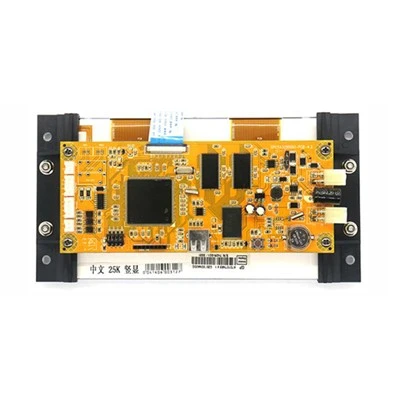
First, let’s get one critical fact straight: Mitsubishi doesn’t just make random elevator parts—they design each component to work in tandem with their entire system, from the pushbuttons in the car to the main traction drive. That means even a minor flaw in a stored part can throw off a whole elevator’s performance, not just the individual component. A tiny scratch on a speed sensor’s calibration chip, for example, can cause uneven floor stops; moisture on a circuit board can lead to intermittent electrical failure, which is the kind of issue that drives maintenance teams crazy because it’s impossible to trace during a quick check. We learned this early in our business, when a client installed 10 used Mitsubishi door operators that had been stored in a non-climate-controlled garage and ended up with 3 that wouldn’t sync properly with the car’s controller. That mistake led us to overhaul our storage facility and create a step-by-step process we now follow for every part, big or small.
Let’s start with the most basic but often overlooked rule: environmental control. Most Mitsubishi parts—especially electronics, sensors, and plastic components—are sensitive to two things: humidity and temperature. Our warehouse is kept at a consistent 68°F (20°C) with relative humidity between 40% and 50%. Here’s why: electronics, like the main circuit boards for the Mitsubishi LEHY-II controller, develop condensation if stored in humidity above 55%, even for a short time. That condensation eats away at solder joints and corrodes copper traces on the board, which is exactly what happened to that client’s K-type controller. For plastic parts—like the car’s interior pushbuttons or the door seals—low humidity (below 35%) makes them brittle, while high humidity causes them to warp or develop mold. Temperature swings are another enemy: we’ve seen rubber door rollers crack when stored in a space that gets as cold as 30°F in winter and 90°F in summer. If you don’t have a dedicated climate-controlled storage space, that’s okay, but there are quick fixes: use dehumidifiers in damp areas, insulate metal shelves to reduce temperature fluctuations, and never store parts near windows or heating vents that get direct sunlight or extreme heat.
Next, handling and packaging—this is where a lot of suppliers and maintenance teams cut corners, especially with small, fragile parts. When we receive new Mitsubishi parts from our authorized distributors, they come in static-shielded bags with moisture-absorbing desiccants, anti-static foam for electronics, and even protective plastic sleeves for pushbuttons and sensors. We never remove that original packaging until the part is ready to be installed, and we never store small parts like limit switches or connector pins loose in bins—they get placed in their original packaging, labeled clearly, and stacked on shelves. For large parts, like traction motors or door operators, we use the custom wooden crates Mitsubishi ships them in, reinforced with plastic wrap to keep dust and moisture out. I once had a tech tell me he stored a Mitsubishi door operator in a regular cardboard box because the custom crate was taking up space—six months later, the operator’s steel frame had started to rust at the base, and the door’s rubber seal had gone stiff. It’s a small choice that led to a $1,500 replacement cost, so we now have a strict rule at our warehouse: if it came in a custom package from Mitsubishi, it goes back into that package for storage. Also, never touch circuit boards or metal sensor contacts with bare hands—the oil from your skin can cause corrosion over time, so use cotton gloves when handling these parts.
Organization is another key piece of the puzzle, especially if you’re storing a large volume of Mitsubishi parts for multiple elevators. We organize our shelves by part type and model, because Mitsubishi has dozens of elevator series (LEHY, ELENESSA, K-type, etc.) and mixing parts can lead to installing the wrong component. For example, a LEHY-II door controller won’t work with an ELENESSA car call button, and using the wrong part can trigger error codes that take hours to diagnose. We label every shelf and every package with the Mitsubishi part number, series compatibility, and date of storage. We also use a first-in, first-out (FIFO) system—we put new parts at the back of the shelf and older parts at the front, so we use the oldest parts first. Mitsubishi parts don’t have a hard expiration date, but many electronic components can degrade over two to three years if stored improperly, so FIFO ensures we don’t use a part that’s been sitting in storage for four years. If you’re storing parts for a specific elevator job, we recommend creating a dedicated bin for that project, so you don’t mix it with parts for other elevators. We’ve had clients tell us they lost a $300 Mitsubishi speed sensor because it was mixed in with a bin of random bolts—organization eliminates that kind of waste.
Then there’s dust, dirt, and pest control—something many people don’t think about until it’s too late. Dust isn’t just annoying; it can get into the tight crevices of a Mitsubishi elevator’s moving parts, like limit switches or door rollers, and cause friction that leads to premature wear. For electronics, dust can trap moisture, accelerating corrosion on circuit boards. We deep-clean our warehouse every two weeks, wiping down shelves and using a HEPA filter vacuum to avoid spreading dust. We also keep all part packages sealed unless we’re actively pulling a part for a shipment. Pest control is even more critical—rodents and insects love to chew on plastic and wiring insulation, and we’ve seen cases where a mouse nested in a stored Mitsubishi traction motor, chewing through the internal wiring and rendering the part unusable. To prevent this, we use sealed plastic bins for small parts, keep food and drinks out of the storage area, and set up non-toxic pest traps around the perimeter of the warehouse. Never use harsh pesticides near your parts, though—they can leave residue that damages sensitive electronic components.
A common question we get is: what about long-term storage, like parts that are kept for emergency replacements? For parts that will be stored for more than six months, we add an extra layer of protection. For electronic parts, we double-bag them in static-shielded plastic with additional desiccant packs, then seal the bags with heat sealer to lock out moisture. For metal parts, like door operators or counterweight brackets, we apply a thin, food-grade rust inhibitor before packaging—we use a product recommended by Mitsubishi’s technical team, because some rust inhibitors can leave residue that interferes with electrical connections. We also check on long-term stored parts every three months, opening a sample package to inspect for corrosion or warping, and replacing desiccant packs if they’ve absorbed too much moisture. For plastic parts in long-term storage, we keep them in a cool, dark area and avoid stacking heavy items on top of them, which can cause warping. We once had a client store a set of Mitsubishi car door panels for a new building that got delayed for 18 months—because we followed our long-term storage protocol, the panels were flawless when we delivered them, and they installed without any issues.
We also work with our clients to fix common mistakes they make when storing parts on job sites, which is where most of the real-world problems happen. Many maintenance techs store parts in the back of the elevator car or in the basement of a building, which are often damp and prone to temperature swings. We recommend setting up a small, temporary storage space near the elevator that’s enclosed, off the floor, and has a small dehumidifier if needed. Never leave parts out in the rain or in direct sunlight on a job site—even a single day in 90°F heat can melt the adhesive on a Mitsubishi pushbutton’s display, making it unreadable. Another mistake is storing chemicals, like cleaning solvents or lubricants, near elevator parts—these chemicals can emit fumes that corrode metal and plastic over time. We’ve seen a set of Mitsubishi hall call buttons that turned cloudy because they were stored near a bottle of heavy-duty cleaner, so keeping parts away from any chemicals is a must.
Let’s talk about our own process, which we’ve refined over 12 years, to give you a concrete example of how this works in practice. When a new shipment of Mitsubishi parts arrives at our facility, our receiving team first inspects the original packaging for any signs of damage—dents, tears, or broken seals. If the packaging is damaged, we immediately transfer the part to a new, static-shielded bag with desiccant, and label it with a new inspection date. Next, we log the part into our inventory system, noting the Mitsubishi part number, series compatibility, date received, and condition. Then, our warehouse team stores the part on a shelf dedicated to its series and type—electronics go in the climate-controlled back of the warehouse, moving parts go on lower shelves, and plastic parts go in a cool, dark section. Every month, our inventory manager does a spot check of 10% of our stored parts, verifying that humidity levels are consistent, packaging is sealed, and parts are organized correctly. This process has cut our part failure rate in storage by 85% compared to when we first started, and our clients consistently report that parts from our warehouse arrive in perfect condition.
I know that for small maintenance teams or independent suppliers, investing in a full climate-controlled warehouse or custom packaging might not be feasible. That’s why we offer affordable storage kits for clients who need to store Mitsubishi parts on the go—they include static-shielded bags, desiccant packs, anti-static gloves, and clear bin labels, so you can follow our basic protocol even in a small space. We also provide free consultations for clients who are setting up a new storage area, helping them map out shelves, set humidity thresholds, and create an organizational system that works for their part volume.

At the end of the day, proper storage of Mitsubishi elevator parts isn’t just about protecting a product—it’s about ensuring that when a part is installed, it works as intended, keeps elevators running safely, and avoids costly downtime. I’ve seen too many businesses lose thousands of dollars because they cut corners on storage, and that’s why we’re so passionate about teaching this process. If you’re a facility manager, maintenance tech, or supplier looking for reliable Mitsubishi elevator parts and storage advice, we’re here to help. Whether you need a single part for a quick repair or a bulk order for a new construction project, we can connect you with the right components and share more storage tips tailored to your needs. Don’t let poor storage turn a good part into a loss—reach out today to learn how we can support your elevator parts needs.
Elevator Parts for STEP References
Mitsubishi Electric Elevator & Escalator Parts Storage Guidelines, 2021.
Industrial Electronics Storage Best Practices, National Institute of Standards and Technology (NIST), 2019.
Elevator Component Lifecycle and Environmental Stress Testing, Elevator Industry Maintenance Association (EIMA), 2020.
Shaanxi Nona Elevator Parts Co., Ltd.
As one of the leading elevator parts for mitsubishi manufacturers and suppliers in China, we warmly welcome you to wholesale bulk elevator parts for mitsubishi in stock here from our factory. All elevator parts are with high quality and competitive price. For pricelist, contact us now.
Address: No.1502 Ronghao Building, Xi’an City, Shaanxi Province, China
E-mail: candice@nonaelevator.com
WebSite: https://www.nonaelevatorparts.com/
