Hey there, folks! I’m a supplier of automatic feeding systems, and today I wanna chat about whether these systems can be used in agricultural applications. It’s a question that comes up a lot, so let’s dig into it. Automatic Feeding System
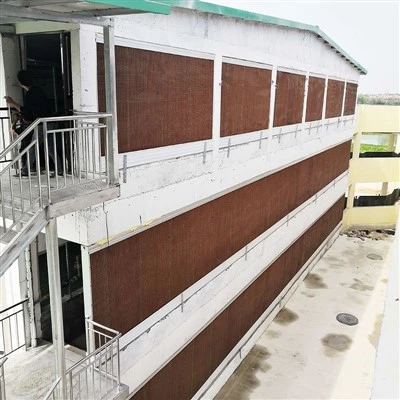
First off, what exactly is an automatic feeding system? Well, it’s a setup that’s designed to deliver feed to animals in a controlled and consistent manner. Instead of farmers having to manually distribute feed multiple times a day, these systems can do it for them. They usually consist of storage bins, conveyors, and feeding troughs, all connected and programmed to deliver the right amount of feed at the right time.
So, can they be used in agriculture? You bet they can! And here are a whole bunch of reasons why they’re a great fit.
Efficiency Boost
One of the biggest advantages of using an automatic feeding system in agriculture is the massive efficiency gain. In traditional farming, farmers spend a significant amount of time and energy on feeding livestock. They have to carry heavy bags of feed, walk around the pens, and make sure each animal gets its share. It’s a labor – intensive process, and it leaves less time for other important tasks on the farm.
With an automatic feeding system, all that changes. The system can be programmed to feed the animals at specific intervals throughout the day. This means that farmers can focus on other aspects of their operation, like crop management or animal health checks. For example, in a large – scale pig farm, an automatic system can distribute feed to hundreds of pigs in a fraction of the time it would take a farmer to do it manually.
Consistency in Feeding
Animals thrive on consistency, especially when it comes to their diet. An automatic feeding system ensures that each animal gets the same amount of feed at the same time every day. This is crucial for maintaining their health and growth. In a dairy farm, for instance, cows need a consistent diet to produce high – quality milk. An automatic system can deliver a pre – measured amount of feed, which includes the right balance of grains, forages, and supplements, to each cow. This helps in maximizing milk production and also reduces the risk of over – or under – feeding.
Waste Reduction
Manual feeding often leads to some degree of waste. Farmers might accidentally spill feed while distributing it, or animals might push the feed out of the troughs. An automatic feeding system minimizes this waste. The feed is delivered directly into the feeding troughs in a controlled manner, and there’s less chance of spillage. In a poultry farm, where feed costs can be a major expense, reducing waste can have a significant impact on the bottom line. With an automatic system, the birds get exactly what they need, and there’s no excess feed lying around to attract pests or go to waste.
Adaptability
Automatic feeding systems are highly adaptable to different types of agricultural setups. Whether you’re running a small family farm or a large commercial operation, there’s a system that can work for you. They can be customized to handle different types of feed, from dry pellets to wet mash. For example, if you have a goat farm and your goats prefer a mixture of hay and grain, the system can be adjusted to deliver the right combination. You can also adjust the feeding schedules according to the age, weight, and breed of your animals.
Health and Hygiene
In an agricultural environment, maintaining good health and hygiene is crucial. Automatic feeding systems help with this aspect as well. Since the feed is stored in closed containers and delivered through sealed conveyors, there’s less risk of contamination. This reduces the chances of animals getting sick from eating spoiled or contaminated feed. In a fish farm, for example, an automatic feeding system can keep the fish food fresh and free from bacteria, which is essential for the health of the fish population.
Challenges and Considerations
Of course, it’s not all sunshine and rainbows. There are a few challenges and considerations when it comes to using automatic feeding systems in agriculture.
Initial Cost
The upfront cost of installing an automatic feeding system can be quite high. You need to purchase the equipment, which may include storage bins, conveyors, and control panels. You also need to pay for installation, which may require professional help. For small – scale farmers, this can be a significant barrier. However, it’s important to look at the long – term savings. Over time, the reduced labor costs, lower feed waste, and increased productivity can offset the initial investment.
Technical Knowledge
Operating an automatic feeding system requires some technical knowledge. Farmers need to understand how to program the system, troubleshoot any issues that may arise, and perform regular maintenance. This can be a challenge for farmers who are not tech – savvy. But many suppliers, like me, offer training and support to help farmers get the hang of it. We can also provide remote assistance if there are any problems.
Power Outages
Since automatic feeding systems rely on electricity to operate, power outages can be a problem. If the power goes out, the system will stop working, and the animals may not get fed on time. To address this, farmers can invest in backup power sources, such as generators or battery – operated systems. Some systems also have a manual override option, which allows farmers to distribute feed manually in case of an emergency.
Real – World Examples
Let’s take a look at some real – world examples of how automatic feeding systems are being used in agriculture.
In a large cattle ranch in the Midwest, an automatic feeding system has been a game – changer. The ranch has hundreds of head of cattle, and before installing the system, it took several workers the whole morning to feed them. Now, with the automatic system, the feeding process is completed in a matter of hours. The ranchers have also noticed an improvement in the health and weight gain of the cattle, thanks to the consistent feeding schedule.
In a greenhouse vegetable farm that also raises chickens, an automatic feeding system has helped in managing both operations more efficiently. The system delivers the right amount of feed to the chickens while the farmers focus on growing the vegetables. This has led to an increase in both egg production and vegetable yield.
Conclusion
In conclusion, automatic feeding systems can definitely be used in agricultural applications, and they offer a whole host of benefits. Despite the challenges, the long – term advantages in terms of efficiency, consistency, waste reduction, and animal health make them a valuable addition to any farm.
H Frame Chicken Cage If you’re an agricultural producer and you’re considering an automatic feeding system for your operation, I’d love to have a chat with you. I can help you figure out the best system for your specific needs, answer any questions you might have, and provide you with a cost – effective solution. Whether you’re just starting out or looking to upgrade your existing setup, I’m here to support you. Reach out to me and let’s start a conversation about how an automatic feeding system can transform your farm.
References
- "Agricultural Automation: Tools and Techniques" by Some Author. A great book that covers various aspects of automation in agriculture, including feeding systems.
- Journal articles from agricultural engineering journals that discuss case studies and research on the effectiveness of automatic feeding systems in different farm settings.
Guangzhou Guangxing Poultry Equipment Group Co., Ltd.
Guangzhou Guangxing Poultry Equipment Group Co., Ltd. is one of the most professional automatic feeding system manufacturers and suppliers in China, featured by quality products and good price. Welcome to buy CE approved automatic feeding system made in China here and get pricelist from our factory. Customized orders are welcome.
Address: NO.2 Guangxing Road,Shating Taihe Town,Baiyun Guangzhou,China
E-mail: gxservice@cnguangxing.com
WebSite: https://www.guangxingcn.com/
