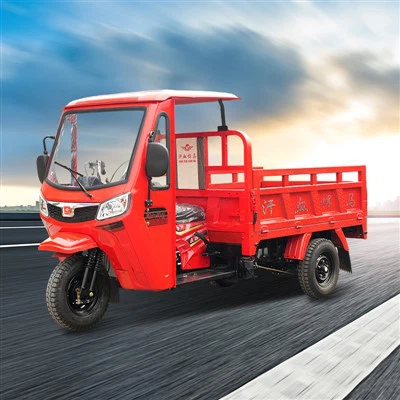
As a supplier of gasoline tricycles, I often encounter questions from potential customers about the practicality and legality of using these vehicles for transporting passengers. This blog aims to provide a comprehensive overview of the topic, exploring the feasibility, advantages, challenges, and regulatory considerations associated with using gasoline tricycles for passenger transportation. Gasoline Tricycle
Feasibility of Using Gasoline Tricycles for Passenger Transport
Gasoline tricycles have been used for various purposes around the world, including passenger transport in many developing countries. Their compact size, maneuverability, and relatively low cost make them an attractive option for short – distance transportation, especially in congested urban areas and rural regions with limited public transportation.
In terms of design, modern gasoline tricycles are equipped with seats that can comfortably accommodate one or more passengers. The engines are powerful enough to carry the additional weight of passengers along with the vehicle itself. For example, some of the gasoline tricycles we supply have engines with sufficient torque to climb hills and maintain a steady speed on flat roads, even when fully loaded.
Advantages of Gasoline Tricycles in Passenger Transport
Cost – effectiveness
One of the most significant advantages of using gasoline tricycles for passenger transport is their cost – effectiveness. Compared to larger vehicles such as buses or cars, gasoline tricycles are much cheaper to purchase. They also consume less fuel, which reduces the operating costs for the drivers. This makes them an ideal choice for small – scale transport operators or individuals looking to start a transportation business on a budget.
Maneuverability
Gasoline tricycles are highly maneuverable, which is a crucial advantage in crowded streets. They can easily navigate through narrow alleys and traffic jams, allowing them to reach destinations faster than larger vehicles. This is particularly beneficial in urban areas where traffic congestion is a common problem. Passengers can enjoy a quicker and more efficient journey, as the tricycle can take shortcuts that are not accessible to cars or buses.
Accessibility
In rural areas, where public transportation infrastructure is often limited, gasoline tricycles can provide a vital link to essential services such as schools, hospitals, and markets. Their small size allows them to travel on rough and unpaved roads, reaching remote areas that are difficult to access by other means of transport. This makes them an important mode of transportation for the local population, improving their quality of life and economic opportunities.
Challenges of Using Gasoline Tricycles for Passenger Transport
Safety Concerns
Safety is a major concern when it comes to using gasoline tricycles for passenger transport. These vehicles are generally less stable than cars or buses, especially when taking sharp turns or driving at high speeds. The lack of proper safety features such as seat belts, airbags, and roll – over protection can put passengers at risk in the event of an accident.
However, many modern gasoline tricycles are now being designed with improved safety features. For example, some models have reinforced frames, anti – lock braking systems (ABS), and better suspension to enhance stability and reduce the risk of accidents. As a supplier, we are committed to providing tricycles that meet the highest safety standards.
Environmental Impact
Gasoline tricycles emit pollutants such as carbon monoxide, nitrogen oxides, and particulate matter, which can have a negative impact on the environment and human health. In recent years, there has been a growing concern about air pollution in urban areas, and the use of gasoline – powered vehicles is one of the major contributors.
To address this issue, some manufacturers are developing tricycles with more fuel – efficient engines or alternative power sources such as electric motors. We are also exploring the possibility of offering hybrid or electric tricycles in the future to reduce the environmental impact of our products.
Regulatory Compliance
The use of gasoline tricycles for passenger transport is subject to various regulations and laws in different countries and regions. These regulations may cover aspects such as vehicle safety standards, driver licensing, insurance requirements, and operating permits.
In some areas, there may be strict restrictions on the use of gasoline tricycles for passenger transport, while in others, they may be allowed under certain conditions. As a supplier, we work closely with our customers to ensure that they are aware of the local regulations and comply with all the necessary requirements.
Regulatory Considerations
Before using a gasoline tricycle for passenger transport, it is essential to understand and comply with the relevant regulations. In many countries, tricycles used for passenger transport must meet specific safety standards, which may include requirements for brakes, lights, and seating arrangements.
Driver licensing is another important aspect. In some regions, drivers of passenger – carrying tricycles are required to have a special license or permit. This ensures that they have the necessary skills and knowledge to operate the vehicle safely.
Insurance is also a crucial requirement. Passenger – carrying tricycles should be insured to protect both the driver and the passengers in case of an accident. Some insurance companies may offer specific policies for tricycles used in the transportation business.
Conclusion
In conclusion, gasoline tricycles can be a viable option for transporting passengers, especially in areas with specific transportation needs. They offer several advantages such as cost – effectiveness, maneuverability, and accessibility. However, there are also challenges to be addressed, including safety concerns, environmental impact, and regulatory compliance.

As a supplier of gasoline tricycles, we are committed to providing high – quality products that meet the needs of our customers while ensuring safety and environmental responsibility. We believe that with proper design, maintenance, and regulatory compliance, gasoline tricycles can play an important role in the transportation sector.
250cc Loading Tricycle If you are interested in purchasing gasoline tricycles for passenger transport or have any questions about our products, please feel free to contact us for a detailed discussion. We look forward to working with you to find the best solutions for your transportation needs.
References
- "Transportation in Developing Countries: The Role of Tricycles" – Journal of Urban Transport
- "Safety Standards for Small Passenger Vehicles" – International Transport Research Institute
- "Environmental Impact of Gasoline – Powered Vehicles" – Environmental Science Journal
Chongqing Hanxuehanma Industry Co., Ltd.
As one of the most professional gasoline tricycle manufacturers and suppliers in China, we offer a wide range of products with superior quality. Please feel free to wholesale advanced gasoline tricycle made in China here from our factory. Customized orders are welcome.
Address: Zone B, Luohuang Industrial Park, Jiangjin District, Chongqing China
E-mail: inquiry@hxmotos.com
WebSite: https://www.hxmotos.com/
