As a supplier of commercial and industrial gas cylinders, I understand the paramount importance of ensuring the safety of workers who use these cylinders. Gas cylinders are widely used in various industries, from manufacturing and construction to food processing and healthcare. However, if not handled properly, they can pose significant risks to workers’ health and safety. In this blog post, I will share some key measures and best practices to ensure the safety of workers when using commercial and industrial gas cylinders. Commercial and Industrial Gas Cylinders
Understanding the Risks
Before delving into safety measures, it’s crucial to understand the potential risks associated with gas cylinders. Gas cylinders contain compressed gases, which can be flammable, toxic, or asphyxiating. If a cylinder is damaged, over-pressurized, or mishandled, it can lead to leaks, explosions, or fires. Additionally, improper storage and transportation of gas cylinders can also increase the risk of accidents.
Training and Education
One of the most effective ways to ensure the safety of workers is to provide comprehensive training and education. All workers who handle gas cylinders should receive proper training on the safe use, storage, and transportation of these cylinders. The training should cover topics such as:
- Cylinder identification: Workers should be able to identify different types of gas cylinders and understand their specific hazards.
- Safe handling procedures: This includes how to properly lift, move, and connect gas cylinders, as well as how to detect and respond to leaks.
- Emergency response: Workers should be trained on what to do in case of an emergency, such as a gas leak or fire.
- Regulatory requirements: Workers should be aware of the relevant safety regulations and standards governing the use of gas cylinders.
Proper Storage
Proper storage of gas cylinders is essential to prevent accidents. Gas cylinders should be stored in a well-ventilated area away from sources of heat, ignition, and direct sunlight. The storage area should be designed to prevent cylinders from falling or being damaged. Additionally, cylinders should be stored in an upright position and secured to prevent them from tipping over.
Inspection and Maintenance
Regular inspection and maintenance of gas cylinders are crucial to ensure their safety. Cylinders should be inspected before each use to check for any signs of damage, such as dents, cracks, or corrosion. If a cylinder is found to be damaged, it should be taken out of service immediately and properly disposed of. Additionally, cylinders should be hydrostatically tested at regular intervals to ensure their integrity.
Use of Personal Protective Equipment (PPE)
Workers who handle gas cylinders should wear appropriate personal protective equipment (PPE) to protect themselves from potential hazards. This may include safety glasses, gloves, and respiratory protection. The type of PPE required will depend on the specific gas being used and the tasks being performed.
Emergency Response Planning
In addition to training and education, it’s important to have an emergency response plan in place in case of an accident. The emergency response plan should include procedures for evacuating the area, shutting off gas supplies, and notifying emergency responders. Workers should be familiar with the emergency response plan and know what to do in case of an emergency.
Supplier Responsibilities

As a supplier of commercial and industrial gas cylinders, we have a responsibility to ensure the safety of our customers. This includes providing high-quality cylinders that meet all relevant safety standards, as well as providing training and support to our customers on the safe use and handling of these cylinders. Additionally, we should regularly inspect and maintain our cylinders to ensure their safety.
Conclusion
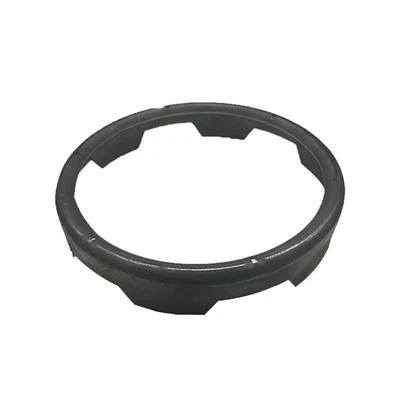
Gas Cylinder Flange Ensuring the safety of workers when using commercial and industrial gas cylinders is a shared responsibility between suppliers, employers, and workers. By providing comprehensive training and education, proper storage, regular inspection and maintenance, and the use of personal protective equipment, we can minimize the risks associated with gas cylinders and ensure the safety of workers. If you have any questions or concerns about the safety of gas cylinders, please don’t hesitate to contact us. We are committed to providing our customers with the highest level of safety and support.
References
- American National Standards Institute (ANSI). (2019). Compressed Gas Association (CGA) Pamphlet C-6.1-2019, Safe Handling of Compressed Gas Cylinders.
- Occupational Safety and Health Administration (OSHA). (2019). 29 CFR 1910.101, Compressed Gases (General Requirements).
- National Fire Protection Association (NFPA). (2018). NFPA 55, Compressed Gases and Cryogenic Fluids Code.
Shanghai Luzhen SCM Co., Ltd.
As one of the most professional commercial and industrial gas cylinders manufacturers and suppliers in China, we’re featured by quality products and good price. Please rest assured to buy bulk discount commercial and industrial gas cylinders from our factory. We also accept customized orders.
Address:
E-mail: bao@lu-chain.com
WebSite: https://www.lu-chain.com/
